NASA’s Mega Rocket Aims for Deep Space Milestone
NASA's new Space Launch System (SLS) rocket is set to send astronauts farther into space than ever before. Standing taller than the Statue of Liberty, the SLS can lift 7 million pounds, carrying the Orion capsule and its four-person crew. The mission aims to reach 280,000 miles from Earth, setting a new human distance record and paving the way for future lunar bases.

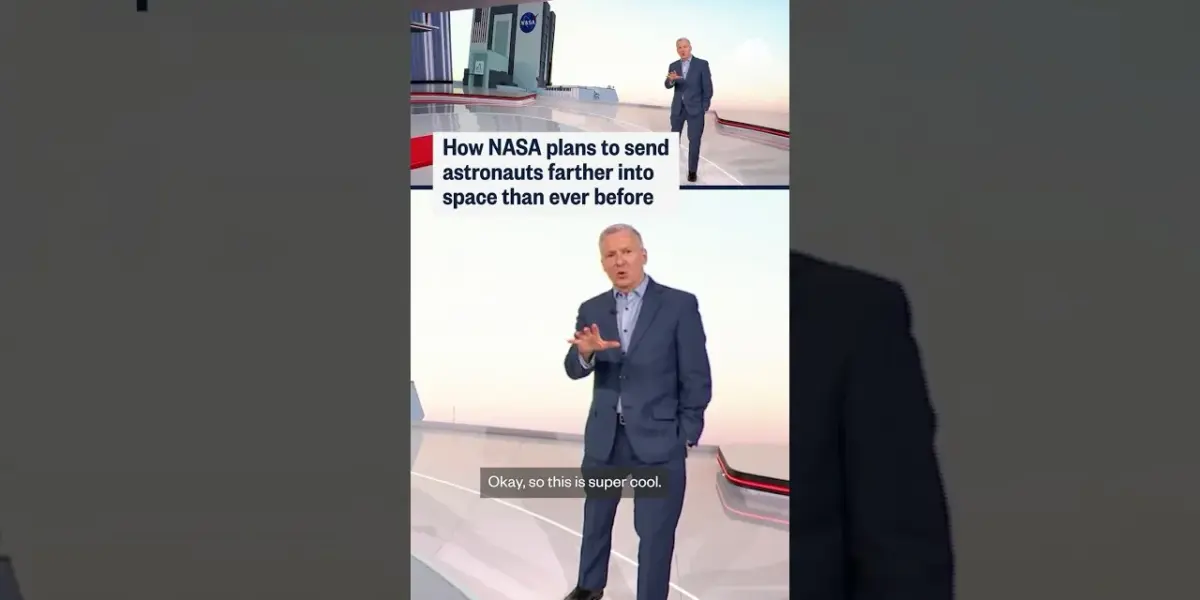
NASA Unveils Giant Rocket for Deep Space Missions
NASA has revealed plans to send astronauts farther into space than ever before, utilizing its massive Space Launch System (SLS) rocket. This powerful new rocket, standing 322 feet tall, is designed to carry humans beyond the Moon. Its sheer size, taller than the Statue of Liberty, highlights the ambitious nature of NASA’s deep space exploration goals.
SLS Rocket: Power and Scale Explained
The SLS rocket boasts an impressive array of engines at its base, including four main engines and two powerful booster rockets. This combined force is engineered to generate enough thrust to lift an astonishing 7 million pounds into space.
To put that weight into perspective, it’s roughly equivalent to lifting 700 elephants simultaneously. This immense power is crucial for propelling the Orion capsule, the spacecraft designed to carry four astronauts on their journey.
The Orion Capsule: Astronauts’ Home in Space
At the very tip of the SLS rocket sits the Orion capsule. This is the vehicle where four astronauts will reside during their missions to the Moon and beyond.
The capsule is engineered for long-duration spaceflight, providing a safe and functional environment for the crew. Its design is a critical component of NASA’s strategy to extend human presence farther into the solar system.
Simulating the Launch: A Journey Begins
To illustrate the power of the SLS and the initial stages of a mission, NASA uses advanced augmented reality technology. The simulation shows the rocket stack igniting and lifting off with incredible force.
Within the first minute, the rocket achieves supersonic speeds, demonstrating the rapid acceleration required to escape Earth’s gravity. This initial phase is critical for gaining the necessary momentum for the journey ahead.
Key Mission Milestones: Boosters, Space, and Separation
The launch sequence is packed with critical events. Approximately two minutes after liftoff, the booster rockets separate from the main rocket body, having served their purpose of providing initial thrust.
Then, after about 8 minutes, the Orion capsule reaches space. This moment marks one of the most crucial parts of the mission: the separation of the Orion capsule from the rocket’s upper stage.
The Lunar Journey: Orbit and Deep Space Reach
Once free from the rocket, the Orion capsule begins its planned 10-day mission. It first enters an orbit around the Earth, completing two full circuits. Following this, the capsule sets its course for the Moon.
The mission aims to reach a distance of 280,000 miles from Earth, setting a new record for the farthest humans have ever traveled into space. This ambitious goal represents a significant step in human exploration.
Future Implications: Returning to the Moon and Beyond
This 10-day mission is not just a singular achievement; it is a vital stepping stone for NASA’s future plans. It paves the way for a return to the lunar surface, potentially establishing a long-term human presence.
Such a presence could be the foundation for further exploration of the solar system, with the Moon serving as a base camp for journeys to Mars and other celestial bodies. The success of these missions will define the next era of space exploration.
Looking Ahead: Artemis Program and Lunar Presence
The SLS rocket and Orion capsule are central to NASA’s Artemis program, which aims to land the first woman and the next man on the Moon. Future missions will build upon the success of this deep space journey, focusing on sustainable lunar exploration and the development of technologies needed for crewed missions to Mars. The upcoming stages of the Artemis program will be closely watched as humanity reaches further into the cosmos.
Source: How NASA plans to send astronauts farther into space than ever before (YouTube)

Related Articles


Artemis II Shatters Distance Records on Lunar Flyby
The Artemis II mission achieved a historic lunar flyby on April 1, 2026, sending four astronauts farther from Earth than ever before. Meanwhile, new images from JWST and Hubble offer deeper insights into Saturn's atmosphere, and the mysterious "super-puff" exoplanet Kepler 51D continues to baffle scientists.

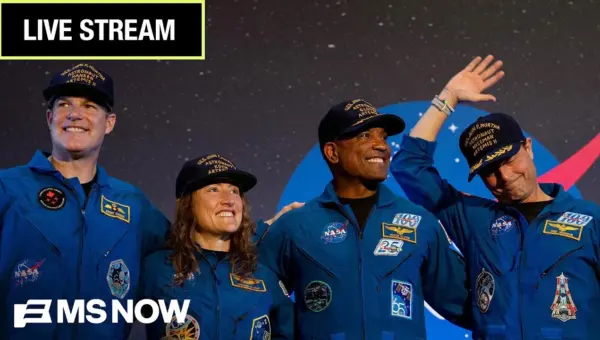
Artemis II Crew Shares Mission Highlights and Future Hopes
The Artemis II crew detailed their successful 10-day mission around the Moon during a press conference today. Astronauts shared awe-inspiring views and highlighted the exceptional performance of the Orion spacecraft. The mission's success provides vital data and momentum for future deep space exploration efforts.

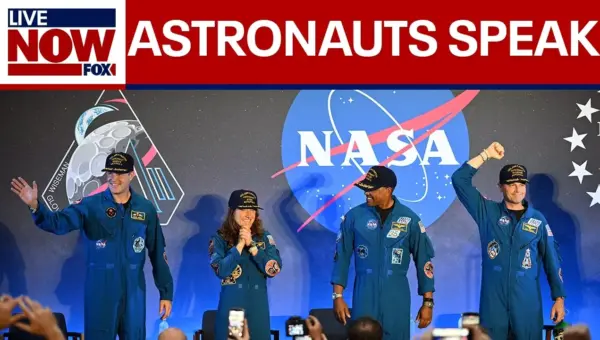
Artemis II Crew Shares Deep Reflections After Historic Moon Flyby
The Artemis II astronauts shared profound reflections following their historic lunar flyby, detailing experiences that transcended photos and videos. They discussed unexpected emotional shifts, technical challenges, and the critical role of teamwork and communication during their deep space journey. The crew also offered advice to aspiring explorers, emphasizing resilience, lifelong learning, and collaboration.