World Lights Dim for Earth Hour Climate Call
Iconic landmarks and millions of people worldwide turned off their lights for the 20th annual Earth Hour on Saturday. The WWF campaign aimed to raise awareness about environmental protection and the urgent need for climate action. Beyond the symbolic hour of darkness, the event calls for sustained commitment to sustainable living and stronger environmental policies.

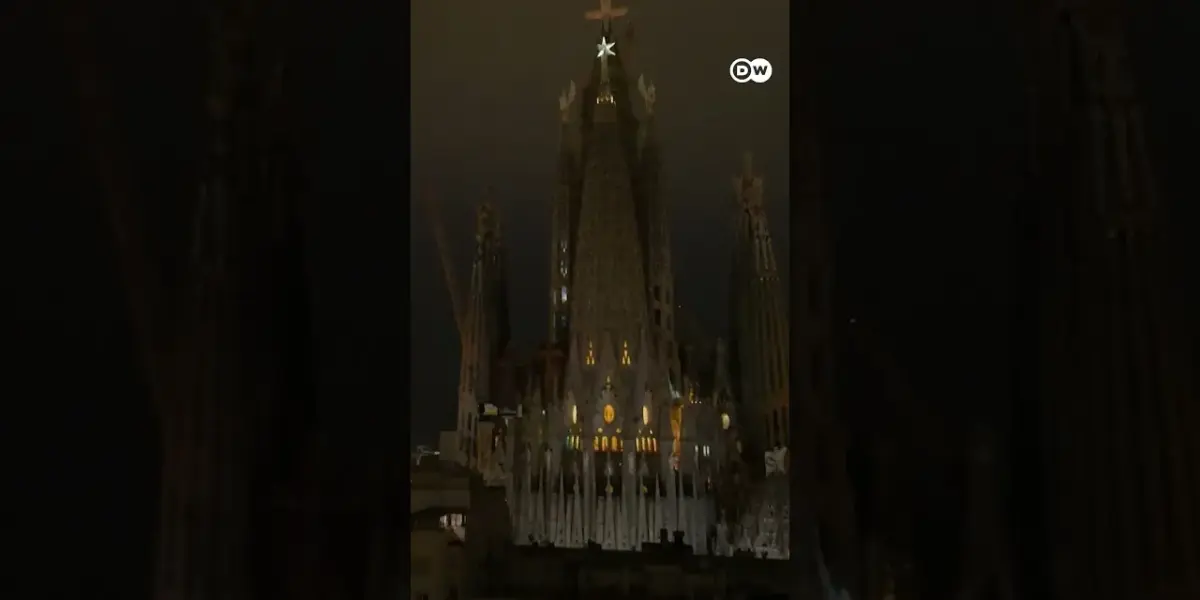
Global Landmarks Go Dark for Earth Hour
Millions of people and iconic landmarks across the globe turned off their lights for one hour on Saturday to mark the 20th anniversary of WWF’s Earth Hour. This annual event aims to raise awareness about environmental protection and the urgent need for action on climate change. From the Eiffel Tower in Paris to the Sydney Opera House, famous structures went dark, sending a powerful visual message about energy conservation and our planet’s future.
The event, held on March 25th, saw participation from over 190 countries and territories. Earth Hour began in Sydney, Australia, in 2007 and has since grown into the world’s largest grassroots environmental movement. It encourages individuals, communities, and businesses to reflect on their impact on the environment and commit to making sustainable changes in their daily lives.
More Than Just Lights Out
While the symbolic switching off of lights is the most visible aspect of Earth Hour, the campaign’s goals go much deeper. Organizers emphasize that the hour is a time for reflection and a call to action, not just a one-off event. It is a reminder that small, individual actions can collectively make a significant difference when it comes to protecting our planet.
The WWF, the World Wide Fund for Nature, uses Earth Hour to highlight various environmental issues, from biodiversity loss to climate change. The organization hopes the event will inspire people to think about their consumption habits and advocate for stronger environmental policies from governments and corporations. This year’s 20th edition specifically called for greater global commitment to protecting nature and combating climate change.
Symbolic Gestures, Real Impact
The sight of famous buildings and monuments plunging into darkness is a powerful symbol. It visually represents the collective power of people uniting for a common cause.
For instance, in Paris, the Eiffel Tower stood dark for its designated hour, a stark contrast to its usual dazzling illumination. Similarly, the Sydney Opera House, a UNESCO World Heritage site, was among the first to switch off its lights, kicking off the global observance.
Beyond the iconic structures, countless homes, businesses, and community centers also participated. People were encouraged to switch off non-essential lights and appliances.
Many used the hour to engage in activities like stargazing, storytelling, or simply spending time with loved ones by candlelight, fostering a deeper connection with nature and each other. These simple acts highlight the idea that a simpler, more mindful way of living is possible and beneficial.
A Call for Collective Responsibility
Earth Hour’s message is that environmental challenges require a united front. It’s a call for everyone, from individuals to world leaders, to take responsibility for the health of our planet.
The WWF stresses that while the hour of darkness is symbolic, the commitment to environmental action should last all year round. This means making conscious choices about energy use, waste reduction, and supporting sustainable practices.
The campaign also is a platform to advocate for change on a larger scale. The WWF uses the global attention generated by Earth Hour to push for stronger environmental laws and international agreements.
The goal is to encourage governments and businesses to invest in renewable energy, protect natural habitats, and reduce greenhouse gas emissions. The widespread participation in Earth Hour shows a global desire for a healthier planet.
Looking Ahead: Sustaining Momentum
As Earth Hour concludes, the focus shifts to sustaining the momentum it generates. The WWF hopes that the awareness raised will translate into lasting behavioral changes and policy shifts.
The organization encourages participants to continue their commitment beyond the one hour by taking part in local conservation efforts or adopting more sustainable lifestyles. The long-term success of Earth Hour lies in its ability to inspire ongoing action.
The 20th edition of Earth Hour served as a significant reminder of the global environmental challenges we face. The world’s lights may have come back on after the hour, but the call for action continues.
Individuals and organizations are urged to keep the conversation going and implement sustainable practices throughout the year. The next Earth Hour is expected to take place in late March 2024.
Source: Landmarks go dark for Earth Hour | DW News (YouTube)

Related Articles


Squirrels ‘Vaping’? Experts Unmask Odd Animal Behaviors
Viral images of squirrels appearing to vape have a simple explanation: they're attracted to sweet scents from vape liquids. Wildlife experts also discuss the legacy of Pablo Escobar's hippos in Colombia and a theory that grey seals eat dolphins due to a taste for blood.


National Zoo’s Baby Elephant Linh Mai Ready for Public Debut
The National Zoo is preparing to introduce its new baby elephant, Linh Mai, to the public. Born on February 23rd, the healthy female calf has spent her first weeks bonding with her mother, Kamala. Her debut marks a significant moment for the endangered Asian elephant species and conservation efforts.


Colombia Weighs Killing ‘Cocaine Hippos’ Escaped from Escobar Zoo
Colombia is considering killing up to 80 hippos that escaped from Pablo Escobar's private zoo decades ago. The non-native animals now number around 170, posing dangers to humans and the environment. Animal rights activists have criticized the proposed culling as a cruel and easy way out.