US Navy Destroys Drug Boat, Killing Suspects
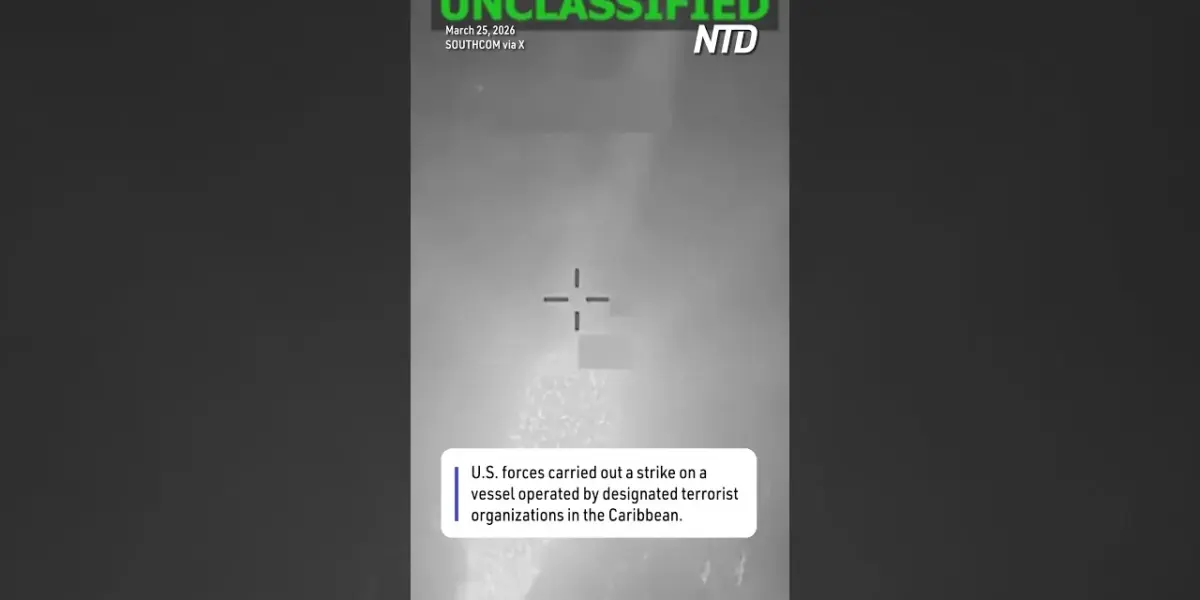
U.S. forces conducted a kinetic strike on a drug trafficking vessel in the Caribbean on March 25, resulting in the deaths of four suspected narco-terrorists. This action highlights ongoing efforts to disrupt illicit maritime activities and combat the global drug trade.

US Navy Destroys Drug Boat, Killing Suspects
U.S. Forces recently carried out a significant action in the Caribbean Sea. They struck a vessel involved in drug trafficking on March 25. This operation resulted in the deaths of four individuals believed to be involved in narco-terrorism.
The U.S. Military has been actively working to disrupt illegal activities at sea. This particular strike highlights the ongoing efforts to combat drug smuggling routes that pose a threat to national security and regional stability. The Caribbean, with its vast waters and numerous islands, has long been a complex area for interdiction efforts.
Ongoing Battle Against Drug Trafficking
Drug trafficking is a serious issue with far-reaching consequences. It fuels crime, corruption, and addiction, impacting communities both in transit countries and those where the drugs eventually arrive. The United States, along with its international partners, has invested heavily in maritime interdiction operations.
These operations involve various branches of the military and law enforcement agencies. They use advanced technology, intelligence gathering, and coordinated patrols to detect and intercept illegal shipments. The goal is to dismantle trafficking networks before they can deliver their dangerous cargo.
The nature of drug trafficking means that those involved often operate in dangerous conditions. They may be armed and willing to resist interdiction efforts. This can lead to tense and sometimes violent encounters at sea, as seen in this recent incident.
Historical Context of Maritime Interdiction
The fight against maritime drug trafficking is not new. For decades, governments have been trying to police the seas against smugglers. In the past, efforts often focused on specific drug cartels or routes, but the problem has persisted and evolved.
International cooperation has become increasingly important. Countries share intelligence and conduct joint operations to cover larger areas and pool resources. This collaboration is essential because drug trafficking networks often operate across borders, making them difficult to tackle from a single nation’s perspective.
The use of military force, like the strike described, is a more aggressive tactic. It is typically reserved for situations where a vessel is confirmed to be involved in illicit activities and may pose a threat. These actions are often carried out under strict rules of engagement to minimize unintended harm.
Why This Matters
This recent strike is more than just a single event; it represents a continued commitment to a challenging global problem. By disrupting drug trafficking, U.S. Forces aim to reduce the flow of illegal substances into the country and prevent criminal organizations from profiting.
The success of such operations can have a direct impact on the availability of drugs and the power of trafficking cartels. It also sends a strong message to others involved in illegal maritime activities that they will be pursued and stopped.
These actions can help to improve security in the Caribbean region. Drug trafficking is often linked to violence and instability, so disrupting these operations can contribute to a safer environment for all nations in the area.
Implications and Future Outlook
The effectiveness of kinetic strikes is a topic of ongoing discussion. While they can quickly neutralize a threat and disrupt a shipment, they also carry risks. The potential for collateral damage or unintended casualties requires careful planning and execution.
Looking ahead, the methods used to combat drug trafficking will likely continue to evolve. Traffickers adapt their tactics, using faster boats, more sophisticated concealment methods, and even drones. Law enforcement and military agencies must continuously innovate to stay ahead.
Increased intelligence sharing and technological advancements will be key. This includes using surveillance aircraft, drones, and advanced radar systems to monitor vast ocean areas. The goal is to make it harder for drug smugglers to operate undetected.
The long-term solution also involves addressing the root causes of drug production and demand in different parts of the world. While interdiction is crucial, efforts to reduce addiction and provide economic alternatives in producing countries are also important parts of a comprehensive strategy.
The U.S. Strike on the narco-trafficking vessel is a clear reminder of the persistent global challenge of drug smuggling. It highlights the complex and often dangerous nature of maritime law enforcement operations.
U.S. Forces will continue their patrols and interdiction efforts in the Caribbean and other strategic waterways. These actions are a vital component of national security and international cooperation against criminal networks.
Source: US Strike Destroys Narco Trafficking Vessel in Caribbean (YouTube)

Related Articles
US Air Force Bombers Flex Muscle in Strait of Hormuz
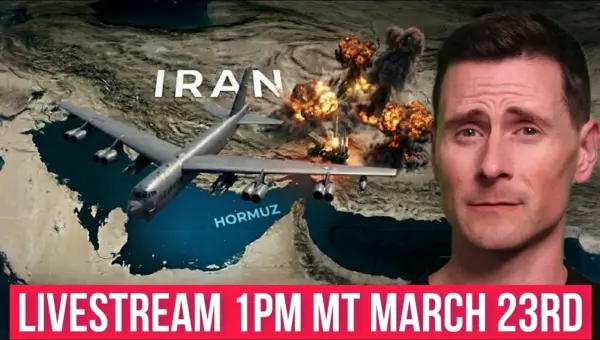
The U.S. Air Force has deployed B-52 bombers near the Strait of Hormuz, signaling a strong military posture. This move is complemented by the arrival of U.S. Navy amphibious assault ships carrying thousands of Marines. These actions aim to ensure freedom of navigation and deter regional aggression.


China Backs US Blockade, Squeezing Iran’s Oil Lifeline
China's backing of a U.S. naval blockade is effectively cutting off Iran's oil exports. This move aims to pressure Iran into negotiations but carries significant political risks for the U.S. president, especially with high gas prices impacting voters.
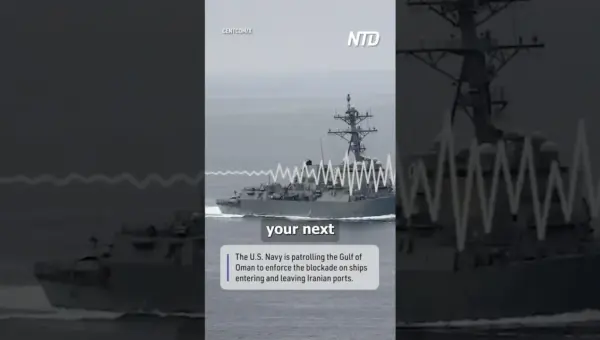
Navy Tightens Grip: US Enforces Strict Blockade on Iran
The US Navy has formally declared a blockade on Iranian ports, warning all vessels to turn back or face boarding and seizure. This significant move aims to exert economic and political pressure on Iran, with explicit threats of force for non-compliance.