Hungary’s Orban Uses Ukraine War Fear in Election Push
Hungarian Prime Minister Viktor Orban is centering his election campaign on the war in Ukraine. Facing electoral pressure, Orban's Fides party is using fear-mongering tactics and an anti-Ukrainian campaign. He portrays himself as Hungary's sole protector against being drawn into the conflict.

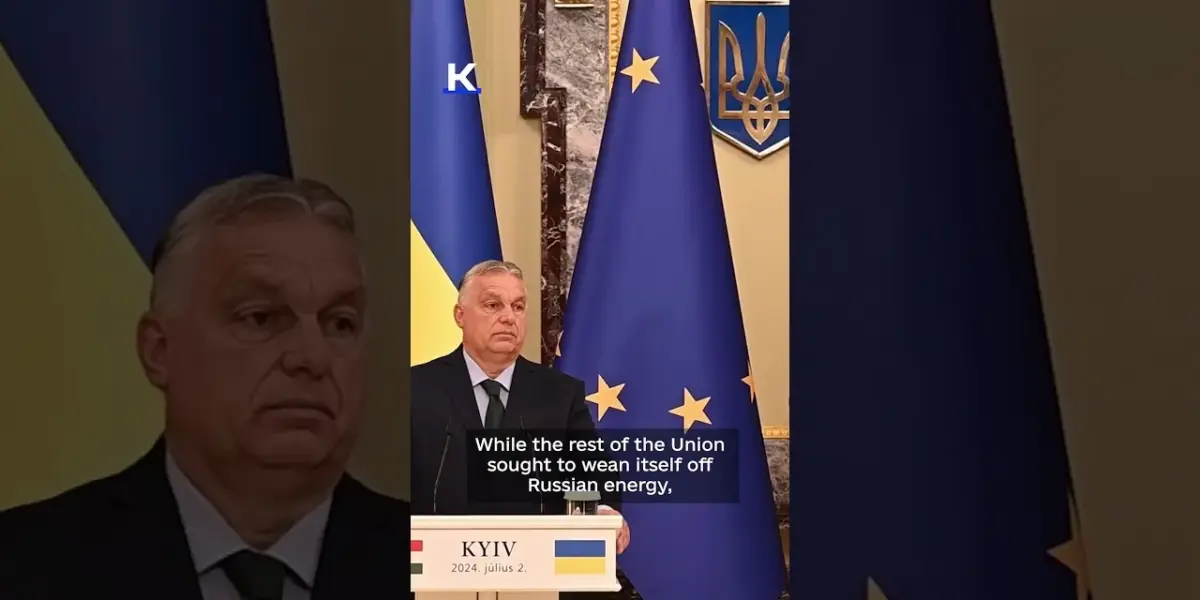
Hungary’s Orban Leverages Ukraine War Fear in Election Campaign
Hungarian Prime Minister Viktor Orban is making the war in Ukraine a central theme in his election campaign. He portrays himself as the only leader protecting Hungary from being drawn into the conflict.
Orban’s Fides party, facing pressure from lagging poll numbers, is returning to a familiar strategy: stoking fear of external threats. This approach has been a cornerstone of their campaigns since 2014.
The Fides party’s current strategy includes an anti-Ukrainian campaign. This tactic aims to rally voters by emphasizing potential Hungarian involvement in the ongoing war between Russia and Ukraine.
Orban has consistently positioned himself as the sole protector against what he describes as war-mongering by Kyiv, Brussels, and domestic opposition forces. This narrative seeks to solidify his image as a strong national leader.
Hungary shares a history of occupation by Moscow, similar to Ukraine’s current situation. In 1956, Soviet forces invaded Hungary to suppress a popular revolution against the communist government.
It took until 1989 for Hungary to regain full independence and peacefully transition to democracy. The country later joined both NATO and the European Union, solidifying its Western alignment.
However, Hungary’s path shifted after the 2010 election victory of Viktor Orban’s Fides party. Orban, once an anti-communist activist, began building what he termed an “illiberal state.” This direction involved democratic backsliding while simultaneously deepening ties with Russia. This shift marked a significant departure from Hungary’s post-communist trajectory.
Orban’s Stance on Russia and EU Policy
Since Russia’s full-scale invasion of Ukraine began, Orban has actively blocked European Union sanctions against Moscow. He has also opposed EU assistance to Kyiv and hindered Ukraine’s efforts to join the European Union. This stance has often put Hungary at odds with its EU partners.
While other EU nations sought to reduce their reliance on Russian energy, Orban pursued the opposite path. Hungary has increasingly turned to Russian oil and gas supplies.
Orban argues that these Russian sources are essential for maintaining low energy costs for Hungarian citizens. This energy policy directly contrasts with the broader European Union’s goals of energy independence from Russia.
Strategic Implications
Orban’s strategy of using the Ukraine war as a campaign issue highlights a key division within the European Union. By positioning himself as a bulwark against war, he aims to appeal to voters concerned about security and economic stability. This approach allows him to differentiate Hungary from the majority of EU member states actively supporting Ukraine.
The emphasis on an “external enemy” is a well-established tactic for the Fides party. When facing electoral pressure, as they are now, reverting to this strategy suggests a belief in its effectiveness.
The anti-Ukrainian sentiment woven into the campaign aims to create a clear adversary for voters to rally against. This tactic seeks to consolidate the Fides party’s base by playing on fears and nationalistic sentiments.
Hungary’s historical experience with Soviet occupation provides a backdrop for Orban’s rhetoric. He can draw parallels between past struggles for independence and the current conflict in Ukraine.
However, his government’s deepening energy ties with Russia complicate this narrative. This creates a complex political message for Hungarian voters.
The upcoming elections will determine if Orban’s fear-based campaign strategy proves successful. His ability to maintain power relies heavily on his narrative of protecting Hungary from external threats. The outcome will also signal the continued influence of his “illiberal” model of governance within the EU.
The Fides party is expected to continue its focus on the war in Ukraine leading up to the election. Their campaign messaging will likely intensify efforts to portray opposition parties and EU institutions as pushing Hungary towards conflict. This strategy aims to solidify Orban’s image as the indispensable guardian of Hungarian peace and security.
Source: Ukraine emerges as central theme in Hungary’s election campaign (YouTube)

Related Articles

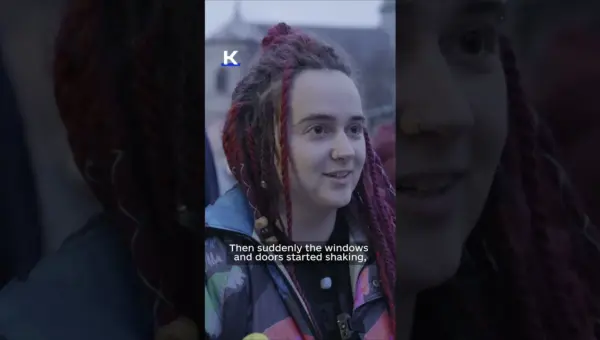
Lviv Hit by Drone Attack, Civilian Areas Targeted
A Russian drone attack struck the city center of Lviv, causing significant damage and civilian casualties. An eyewitness described the scene of destruction, including burning buildings and injured people. The attack highlights the ongoing threat to civilian areas and the use of drones in modern warfare.

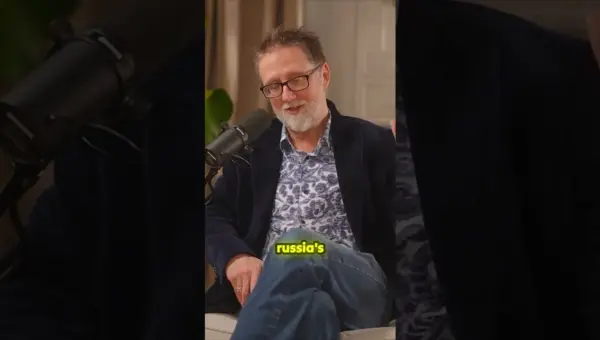
Ukraine War: Russia Failed Key Goal by April
Defense analysts assert that Russia's core objective of integrating Ukraine into a 'greater Russia' was lost by April 2022. Despite ongoing fighting and occupation of Ukrainian territory, Russia failed to achieve its primary strategic aim. This marks a fundamental defeat for Moscow's war goals from the outset.

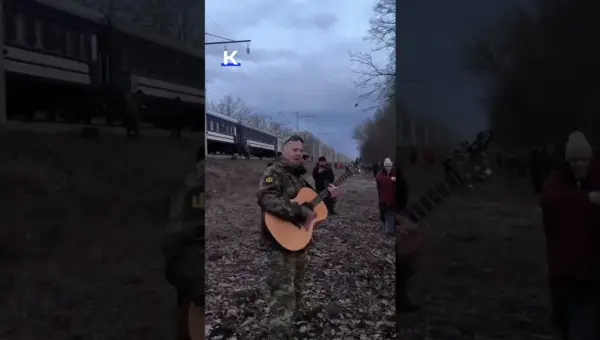
Drones Halt Trains, Disrupting Ukraine Rail Network
Russia's increasing use of drones against Ukrainian railway infrastructure is forcing passenger trains to halt and evacuate passengers during air raids. This tactic endangers civilians and disrupts vital supply lines, highlighting the strategic importance of rail networks in the ongoing conflict.