Iran Rejects Trump Peace Plan Amid Escalating Middle East Conflict
Iran has rejected a 15-point peace proposal from the Trump administration amid escalating tensions in the Middle East. The rejection comes as new attacks are reported across the region. Iran has presented its own five-point plan, demanding a halt to U.S. and Israeli actions.

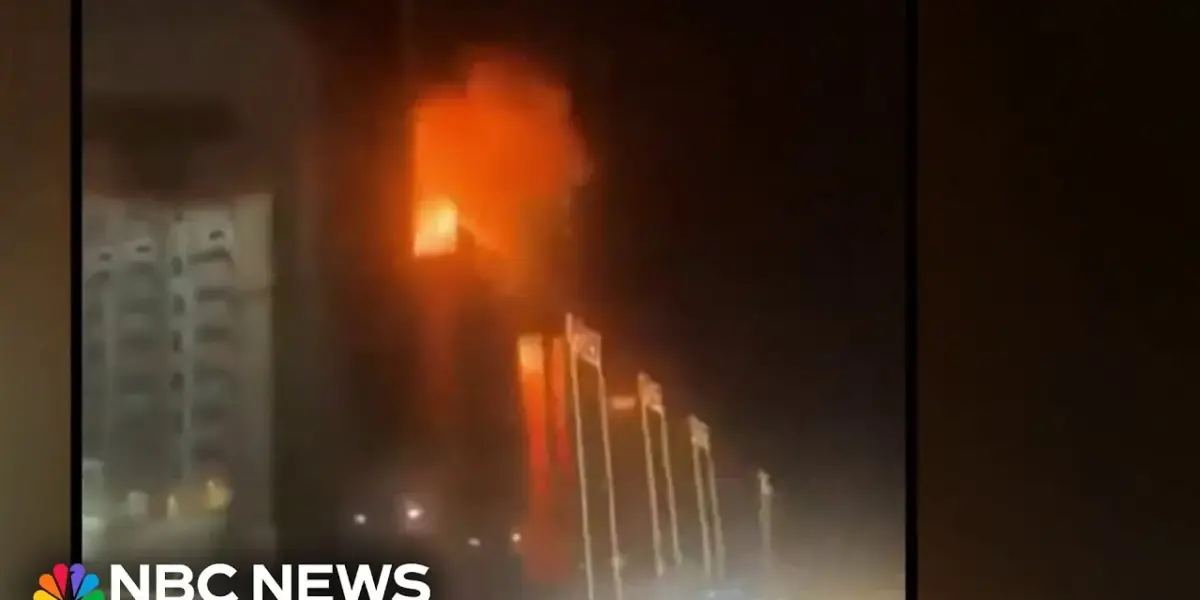
Iran Rejects US Peace Plan Amid Regional Tensions
Iran has officially rejected a 15-point peace proposal put forward by the Trump administration, according to reports from Israeli television. The plan, which was reportedly delivered to Iran through Pakistan, aimed to end the ongoing conflict in the Middle East. This rejection comes as tensions continue to rise, with new attacks reported in Kuwait, Iraq, and Israel, signaling a widening regional crisis.
While Iran claims no official talks have taken place, sources indicate the U.S. Peace initiative was presented to Tehran. The proposal sought to address key issues, including Iran’s nuclear program. A U.S. Official stated that Iran’s decision not to pursue nuclear weapons was a certainty, though the specifics of the peace plan’s discussion on this matter remain unclear.
Iran’s Counter-Proposal and US Warnings
In response to the U.S. Proposal, Iran has put forth its own five-point plan. This Iranian plan includes a demand for a halt to actions by both the United States and Israel. The U.S. Has issued a stern warning to Iran, stating that further military action will be significantly more intense if a deal is not reached.
President Trump has emphasized his seriousness, with a White House spokesperson noting, “President Trump does not bluff, and he’s prepared to release hell. Iran should not do this again.” This strong rhetoric highlights the high stakes involved in the current diplomatic and military standoff between the two nations.
Timeline and Military Operations
President Trump has indicated that operations may continue through the 14th and 15th of the month. When pressed about whether these dates signal an end to the conflict, the White House stated that military planning typically accounts for four to six weeks of operations, leaving the exact duration open to calculation. This suggests a potential continuation of military actions beyond the specified dates.
Sources within NBC News have revealed that the military is preparing a daily summary of successful strikes against Iranian targets for the President. Officials are keeping President Trump updated on the situation through regular briefings with top military and intelligence advisors. This constant flow of information highlights the administration’s focus on monitoring the effectiveness of ongoing military operations.
Broader Regional Impact
The escalating conflict in the Middle East has broader implications for global stability and energy markets. The involvement of multiple regional actors and the potential for wider escalation create an unpredictable environment. International observers are closely watching developments, concerned about the humanitarian impact and the risk of a larger-scale war.
The situation highlights the complex geopolitical dynamics at play in the region. The involvement of Pakistan as an intermediary in delivering the U.S. Proposal suggests efforts to de-escalate through diplomatic channels, even amidst military posturing. The success of any peace initiative hinges on Iran’s willingness to compromise and the U.S.’s ability to offer terms acceptable to Tehran.
What to Watch Next
Attention will now turn to Iran’s official response to the U.S. Warnings and its own five-point plan. The coming days are critical for determining whether diplomatic channels can be reopened or if military actions will intensify. The international community will be looking for signs of de-escalation or further escalation as the situation unfolds.
Source: Iran rejects Trump’s peace proposal (YouTube)

Related Articles

Military Campaign Achieves Objectives, Ends War on Terms
Military leaders express strong confidence in an ongoing campaign, expecting to achieve all objectives within weeks and end the war on favorable terms. The operation is deemed highly effective, though specific details remain classified for security reasons. The campaign is also expected to significantly alter Iran's future.

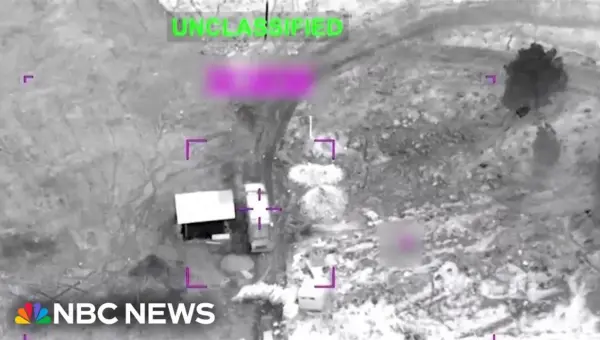
Trump Sees War Successes in Video Montages, Misses Iran’s Threat
President Trump's daily military briefings reportedly include video montages of successful U.S. strikes against Iran. However, officials are concerned this focus on American victories may prevent him from seeing the full picture of Iran's capabilities and potential threats.


Reeves Targets Energy Aid, Trump’s ‘Gift’ Fuels Speculation
UK Chancellor Rachel Reeves is shifting energy support to focus on benefit recipients, a move praised by some for fiscal responsibility but questioned for its bluntness. Meanwhile, Donald Trump's vague claims of a "gift" from Iran have sparked speculation about potential de-escalation or market manipulation. Separately, Labour's Angela Rayner criticizes the party's current strategy, drawing parallels to past electoral defeats and positioning herself for future leadership.