US-Iran Talks Secret? Expert Weighs In on Indirect Diplomacy
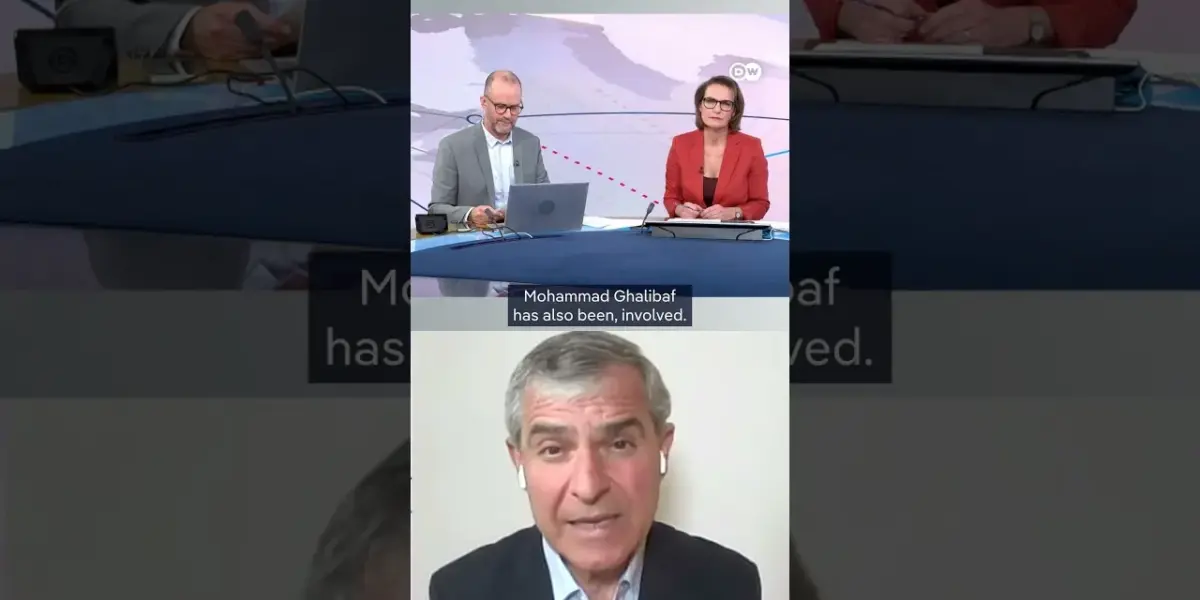
The United States and Iran maintain communication through indirect channels, utilizing regional countries as intermediaries due to the absence of formal diplomatic relations. Middle East expert Farwaz Gerges explained that this reliance on third-party nations is crucial for managing tensions and exploring diplomatic options. These indirect talks cover various sensitive issues, offering a path for dialogue despite decades of severed direct ties.

Indirect Channels Keep US-Iran Communication Alive
Despite a lack of formal diplomatic ties, the United States and Iran are communicating indirectly, utilizing regional countries as intermediaries. This complex communication network has become crucial for managing tensions and exploring potential diplomatic avenues between the two nations. Middle East expert Farwaz Gerges discussed the nature of these indirect negotiations and their implications.
“There are no formal diplomatic relations between Iran and the U.S., so they communicate with each other indirectly using other countries in the region as mediators,” Gerges stated, highlighting the unconventional nature of their interactions. This reliance on third-party nations highlights the deep freeze in direct relations, which have been severed for decades.
The Role of Mediators in US-Iran Diplomacy
Several countries in the Middle East and Europe have historically played the role of mediators between Washington and Tehran. These nations, often maintaining relationships with both the U.S. And Iran, facilitate messages and proposals, acting as crucial conduits for dialogue. This indirect approach allows both sides to explore sensitive issues without the political baggage of direct engagement.
Gerges explained that these mediators are essential for “communicating indirectly using other countries in the region as mediators.” This method allows for a degree of deniability and reduces the pressure that direct talks might create. It also provides a buffer, giving both governments time to consider proposals and responses before committing publicly.
Understanding the Nature of US-Iran Negotiations
The term “negotiations” in the context of U.S.-Iran relations often refers to these indirect exchanges rather than formal, face-to-face meetings. These discussions can cover a range of topics, from nuclear proliferation and regional security to the release of detained citizens. The success of these talks hinges on the willingness of both sides to engage through their intermediaries.
The lack of direct contact means that every communication is carefully crafted and transmitted. Misunderstandings can arise easily, making the role of trusted mediators even more critical. Gerges’s insights suggest that these indirect channels, while cumbersome, are the only viable path for dialogue currently available.
Historical Context of US-Iran Relations
The strained relationship between the United States and Iran dates back to the 1979 Iranian Revolution. Since then, formal diplomatic relations have been non-existent, leading to a reliance on indirect communication methods. Over the years, various administrations in both countries have used different intermediaries to convey messages, particularly during times of heightened tension or when seeking to de-escalate crises.
These historical patterns have established a precedent for how sensitive diplomatic exchanges can occur without formal recognition. The current indirect approach is a continuation of these long-standing practices, adapted to the specific geopolitical circumstances of the present day. This history helps explain why direct meetings are rare and why intermediaries are indispensable.
Challenges and Opportunities in Indirect Diplomacy
Communicating indirectly presents unique challenges. Messages can be misinterpreted or deliberately altered by intermediaries, leading to confusion or mistrust. The pace of negotiations can be significantly slower than direct talks, as messages must be relayed back and forth, often with significant delays.
However, this indirect approach also offers certain advantages. It allows both governments to explore sensitive topics without the immediate political scrutiny that direct talks would invite.
It can also provide a face-saving way for leaders to engage on difficult issues, especially when domestic politics make direct engagement problematic. Gerges’s analysis implies that these benefits currently outweigh the drawbacks for both Washington and Tehran.
The Current State of US-Iran Dialogue
While the specifics of ongoing communications are rarely made public, expert analysis suggests that indirect channels remain active. These conversations are vital for managing critical issues such as Iran’s nuclear program and its regional activities. The involvement of third-party nations ensures that lines of communication are maintained, even during periods of significant disagreement.
The continuation of these indirect talks indicates a persistent, albeit cautious, interest in dialogue from both the U.S. And Iran. The effectiveness of these negotiations will continue to be monitored closely by international observers and regional powers alike. The next steps in these indirect exchanges will likely focus on specific policy adjustments or confidence-building measures.
Source: Are the US-Iran negotiations really taking place? | DW News (YouTube)

Related Articles

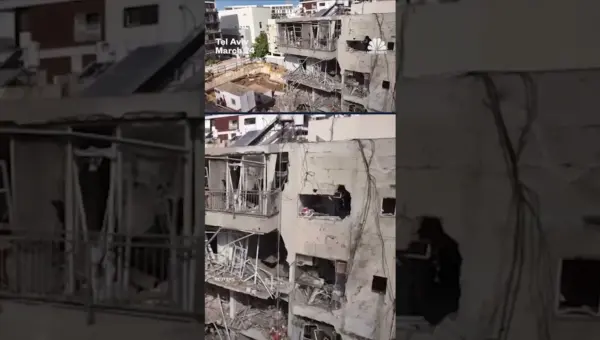
Iran Missiles Strike Israel, Damaging Buildings
Iran launched an unprecedented drone and missile attack against Israel, sending hundreds of projectiles toward the country. While most were intercepted, some damage was reported, and a seven-year-old girl was injured. International leaders are calling for de-escalation amid fears of a wider regional conflict.


Ukraine War: Russia Failed Key Goal by April
Defense analysts assert that Russia's core objective of integrating Ukraine into a 'greater Russia' was lost by April 2022. Despite ongoing fighting and occupation of Ukrainian territory, Russia failed to achieve its primary strategic aim. This marks a fundamental defeat for Moscow's war goals from the outset.
US-Iran War: Secret Talks, Shifting Alliances Emerge
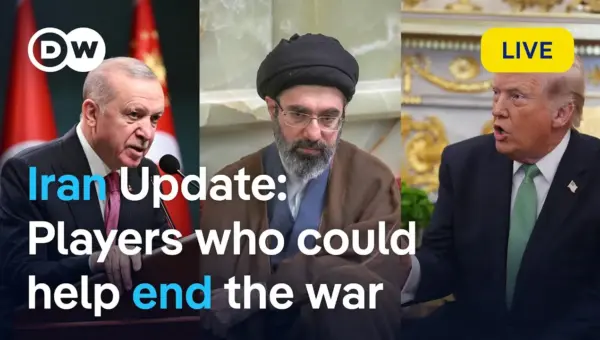
Conflicting reports emerge regarding U.S.-Iran negotiations, with President Trump claiming productive talks while Iran denies any occurred. Regional powers like Pakistan and Turkey are attempting mediation amid escalating tensions and economic fallout. The war's outcome hinges on finding a diplomatic "off-ramp" that addresses security concerns and regional stability.