US Air Power Strikes Iranian Missile Sites
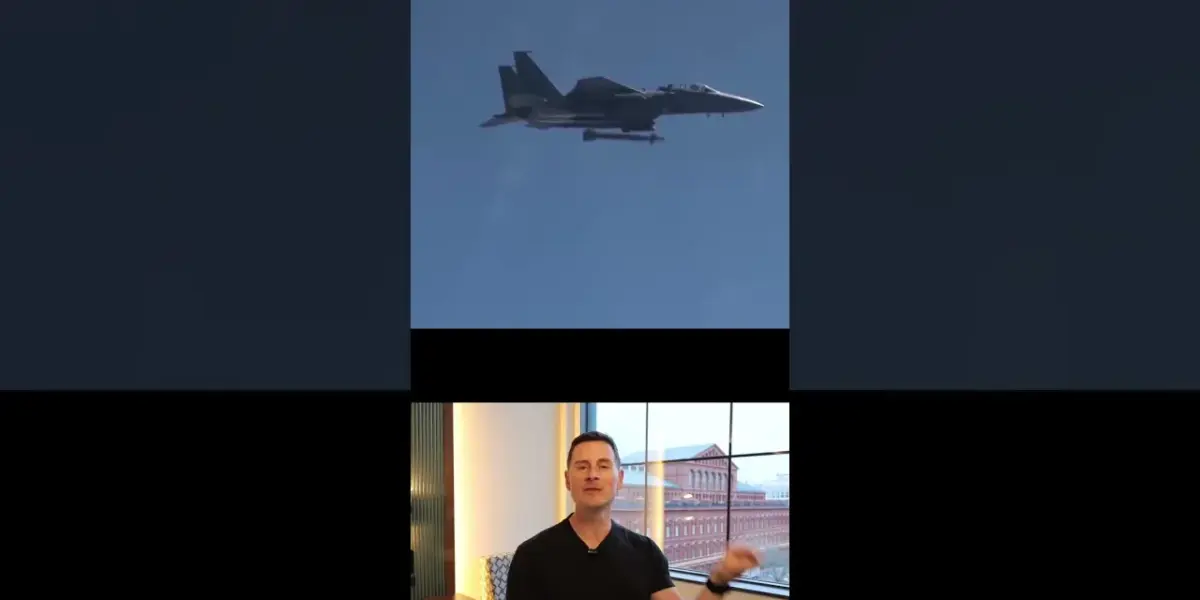
U.S. F-15E Strike Eagles deployed 5,000-pound GBU-72 bombs on hardened Iranian missile sites near the Strait of Hormuz. CENTCOM confirmed anti-ship threats were neutralized, securing vital oil shipping lanes. The strikes precede the arrival of 2,500 U.S. Marines, indicating preparatory battlefield actions.

US Bombs Target Iranian Missile Sites Near Hormuz
U.S. Air Force F-15E Strike Eagles recently deployed massive 5,000-pound deep penetrator bombs against hardened Iranian missile sites. These strikes occurred near the vital Strait of Hormuz.
The U.S. Central Command (CENTCOM) confirmed the action, stating that anti-ship threats have been neutralized. These threats were reportedly targeting commercial and military vessels passing through the strait.
The specific weapon used was the GBU-72 Advanced Penetrator bomb. This munition is designed to destroy deeply buried and hardened targets. Its sheer size and explosive power make it effective against hardened missile facilities.
The bombs were dropped near the Strait of Hormuz, a critical chokepoint for global oil shipments. About 20% of the world’s oil passes through this narrow waterway.
Strategic Context: Securing Sea Lanes
The strikes aim to ensure freedom of navigation in the Strait of Hormuz. This waterway is essential for international trade and energy security. By neutralizing missile sites, the U.S. Seeks to deter further harassment of shipping traffic.
Such actions could disrupt global oil prices and supply chains. This military action demonstrates a commitment to keeping vital sea lanes open for commerce and military movement.
The deployment of these large bombs signifies a significant show of force. It sends a clear message to Iran about the consequences of threatening international shipping.
These hardened sites are difficult targets, requiring specialized munitions like the GBU-72. Their destruction prevents Iran from projecting power and posing a direct threat to maritime traffic in the region.
Marines Arrive as Battlefield Preparation Continues
The recent arrival of approximately 2,500 U.S. Marines in the region is seen as a related development. Military analysts suggest this troop movement is part of a broader strategy to secure the area.
The F-15E strikes are viewed as preparatory actions. These strikes essentially clear the way for the Marines’ operational readiness.
This sequence of events suggests a deliberate build-up of forces and capabilities. The air strikes neutralize immediate threats, while the Marine deployment enhances presence and readiness.
It is akin to preparing a secure landing zone before a major operation begins. The air power ensures the area is safe for ground forces to operate effectively.
Historical Parallels and Doctrine
The use of deep penetrator bombs against hardened targets is not new. Military forces have long employed such weapons to destroy deeply buried command centers or missile silos.
This tactic is crucial in conflicts where an adversary hides critical assets underground for protection. The GBU-72 represents a modern iteration of this long-standing military doctrine.
The strategic objective of controlling vital sea lanes has historical precedents. Throughout history, naval powers have fought to secure maritime trade routes.
Control of chokepoints like the Strait of Hormuz has often been a key factor in regional and global power dynamics. Ensuring these routes remain open is a fundamental aspect of national security for many countries.
Geopolitical Ramifications
These actions have significant geopolitical implications for the Middle East. They signal increased U.S. Engagement in deterring Iranian aggression in the Persian Gulf.
The strikes could influence regional alliances and diplomatic efforts. Other nations with interests in the Strait of Hormuz will be closely watching developments.
The successful neutralization of anti-ship missile threats can stabilize regional tensions. However, it could also lead to escalation if Iran perceives these actions as overly provocative.
The ongoing dynamic between the U.S. And Iran in this critical waterway remains a focal point of international concern. The U.S. Aim is to prevent conflict while ensuring freedom of the seas.
The U.S. Military continues to monitor the situation closely. Further actions will depend on Iran’s response and any renewed threats to shipping. The focus remains on maintaining stability and open maritime passage.
Source: F-15E’s Just UNLEASHED Something Massive on Iran (YouTube)

Related Articles


Maddow Questions Silence on Kushner-Saudi Ties Amid Iran Tensions
Rachel Maddow is questioning why the financial ties between Jared Kushner's business and Saudi Arabia are not a bigger scandal. She highlights the potential conflict between Kushner's personal financial interests and U.S. national interests, especially in light of recent actions concerning Iran. The lack of significant public outcry over these connections is what Maddow finds most puzzling.


Israel Strikes Key Iran Leaders, Boosts Regional Security
Israel has eliminated key Iranian militant leaders, including Lar Johnny, a potential successor to the Ayatollah, and Solommani, head of the repressive Beiji militia. The operation, based on extensive intelligence, also killed hundreds of militia members. This significant strike aims to disrupt militant operations and enhance regional security.

Carrier Power Hits Iran’s Strait of Hormuz Tactics
The U.S. Navy's USS Abraham Lincoln is launching relentless fighter jet waves against Iran's Strait of Hormuz tactics. Aircraft are targeting drone sites and coastal facilities to counter Iran's disruption of global shipping lanes. This operation aims to secure vital maritime trade routes.