Intelligence Chiefs Detail Iran War, Terror Threats in Senate Hearing
Top intelligence officials testified before the Senate on global threats, detailing actions against Iran and ongoing risks from China, North Korea, and Russia. Concerns were also raised about potential misuse of intelligence powers and internal challenges within agencies like the FBI.

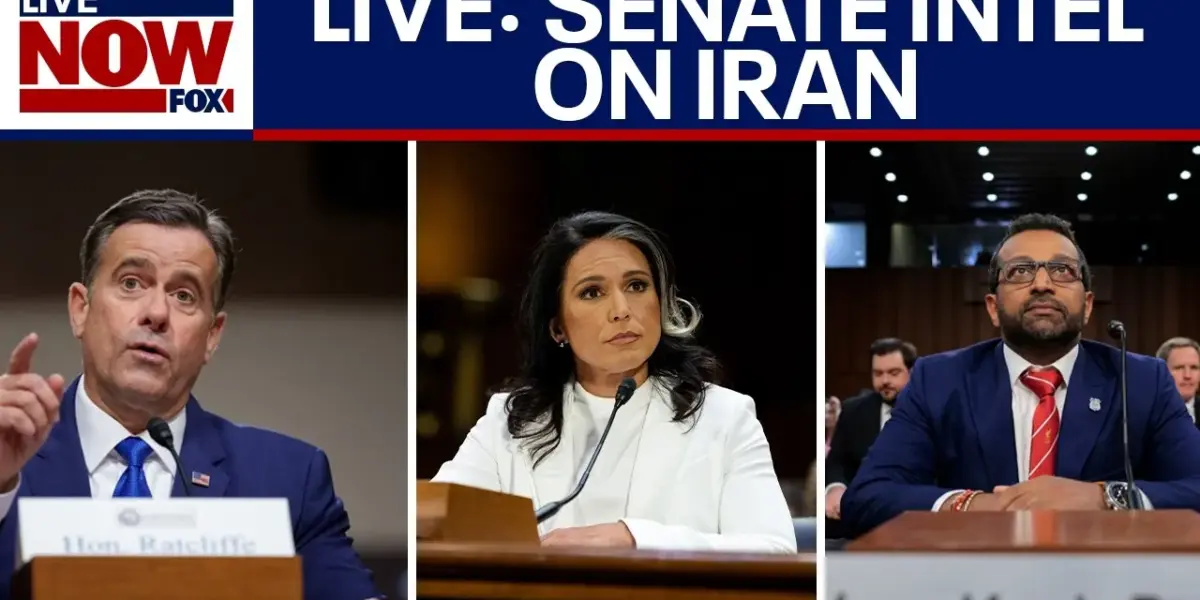
Intelligence Leaders Confront Global Threats
In a crucial Senate hearing, top intelligence officials, including CIA Director John Ratcliffe and FBI Director Cash Patel, presented a stark assessment of the threats facing the United States. The annual worldwide threat assessment highlighted ongoing dangers from nations like Iran, China, North Korea, and Russia, as well as persistent terrorist and criminal organizations. The hearing, held by the Senate Select Committee on Intelligence, aimed to provide the American people with a clear understanding of these complex and evolving risks.
U.S. Takes Strong Stance Against Iran
Senator Tom Cotton opened the hearing by commending the intelligence community’s work under President Trump’s leadership, stating the world is less dangerous for Americans than a year prior. He detailed significant actions taken against Iran, including strikes on its nuclear facilities and the elimination of its top leadership.
“After 47 years of indecision and timidity, America has finally put our foot down,” Cotton remarked, emphasizing the success of military and intelligence operations that led to the downfall of Venezuelan dictator Nicolas Maduro. These operations, he noted, were made possible by accurate intelligence from the agencies present.
Concerns Over Election Integrity and Intelligence Misuse
Vice Chair Mark Warner raised serious concerns about the potential erosion of safeguards protecting democracy and national security, particularly regarding election integrity. He pointed to the intelligence community’s historical warnings about foreign adversaries like Russia, China, and Iran attempting to influence American elections. Warner criticized the elimination of the foreign malign influence center within the Office of the Director of National Intelligence (ODNI) and the lack of a designated official to coordinate responses to election threats.
He also questioned the involvement of Director Gabbard in law enforcement raids related to election records in Fulton County, Georgia, and Puerto Rico, suggesting a potential misuse of national security powers for domestic political purposes. “If the intelligence community is not being deployed to mobilize again to mobilize against foreign threats, why is it being deployed at all on a domestic issue?” Warner asked.
FBI and Intelligence Agencies Face Internal Challenges
Warner also detailed internal challenges within the FBI and other intelligence agencies. He cited politically motivated purges at the FBI leading to the departure of agents from critical national security areas. Budget cuts have affected counterintelligence, counterterrorism, and cyber divisions, with resources allegedly being diverted for non-essential purposes.
Concerns were also raised about leadership vacancies at the National Security Agency (NSA) and the Defense Intelligence Agency (DIA), leaving these agencies without directors for months. A significant portion of personnel at the Cybersecurity and Infrastructure Security Agency (CISA), tasked with protecting critical infrastructure, were reportedly forced out, raising alarms given recent cyberattacks.
Transnational Criminal Organizations and Terrorism Threats
Director of National Intelligence Tulsi Gabbard then presented the official threat assessment, beginning with homeland defense and border security. She reported a significant decrease in illegal immigration due to strict border enforcement. Gabbard also highlighted a 30% decrease in fentanyl overdose deaths, attributing it to President Trump’s aggressive targeting of transnational criminal organizations (TCOs) and efforts to disrupt precursor chemical flows.
However, she cautioned that TCOs like the Sinaloa Cartel and Jalisco New Generation Cartel continue to dominate drug trafficking, posing a direct threat to U.S. Citizens. Islamist terrorist groups, while weakened, still pose a threat, with a shift towards information operations and propaganda. Counterterrorism efforts in Iraq, Somalia, Yemen, and Syria have degraded groups like Al-Qaeda and ISIS, and border security measures have reduced access to the homeland.
State Actors and Emerging Technologies Pose Growing Risks
The threat assessment also addressed state actors, warning that Russia, China, North Korea, Iran, and Pakistan are developing advanced missile systems capable of reaching the homeland. The intelligence community projects an increase in such missiles to over 16,000 by 2035. In the cyber domain, China, Russia, Iran, and North Korea, along with ransomware groups, continue to seek access to U.S. Networks and critical infrastructure.
North Korea’s cyber program is particularly noted for its sophistication, with cryptocurrency heists funding its weapons programs. The report also highlighted the growing influence of artificial intelligence (AI) and quantum computing, which could accelerate cyber threats and provide significant technological advantages to adversaries. The Arctic region is also becoming a focus of competition, with Russia and China increasing their presence and military activity.
Looking Ahead: Continued Vigilance and Reform
The hearing concluded with an emphasis on the need for continued vigilance and institutional reforms within the intelligence community. Senator Cotton reiterated his commitment to strengthening the intelligence community by investing in core capabilities, defending space assets, and guarding against bureaucratic bloat and political bias. Director Gabbard stressed that the intelligence community’s assessments reflect statutory responsibilities and are not personal opinions.
The focus remains on addressing the evolving global security landscape, where strategic competition and the willingness of powers to use force are increasing the risk of conflict. The committee looks forward to further oversight and collaboration to ensure the intelligence community remains focused on its mission of protecting national security.
Source: LIVE: Gabbard, Patel, Ratcliffe testify about Iran war, terror threats (YouTube)

Related Articles

Hegseth’s Briefings Expose Deep Incompetence
Reports indicate Pete Hegseth struggles in classified briefings, unable to answer detailed questions beyond reading scripts. This raises serious concerns about competence in handling sensitive national security information. The situation highlights the need for proven expertise over public profile in critical government roles.


Putin’s Internet Shutdown: Paranoia or Precaution?
Russia's recent internet restrictions fuel speculation about President Putin's paranoia, potentially driven by fears of a coup and the weaponization of digital information by adversaries. Actions like buffer zones and dismissals suggest a leader under pressure.

Senator Tillis Criticizes Trump’s War Advice, Cites Cabinet Lapses
Retiring Senator Thom Tillis has voiced concerns about the White House's lack of clear objectives regarding U.S. military operations in Iran. In a recent interview, Tillis also offered his opinions on who is giving President Trump bad advice, including Stephen Miller and Pete Hegseth, while noting his own departure from re-election pressures allows for more candid commentary.