US Actions Abroad Questioned: Rogue State Behavior Alleged
Harvard professor Stephen Walt argues the U.S. is acting like a "rogue state" due to impulsive foreign policy, questionable war planning, and a disregard for international norms. The conflict with Iran highlights limitations in American power, leading allies to question U.S. judgment and seek more stable global partners.

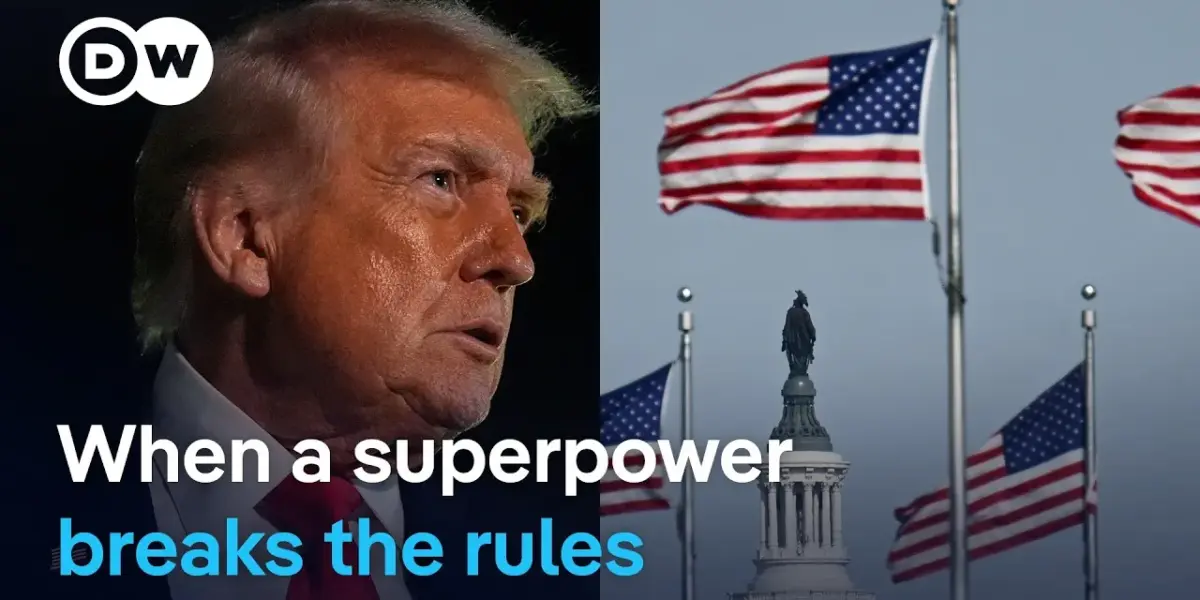
US Foreign Policy Under Scrutiny After Iran Conflict
Recent actions by the United States, particularly concerning the conflict with Iran, have sparked significant debate about the nation’s role and power on the global stage. Harvard professor Stephen Walt argues that the U.S. may be acting like a “rogue state,” a term traditionally applied to nations that threaten international peace and security.
Limits of Military Might Highlighted
In an article for Foreign Policy, Walt, a professor of international affairs at Harvard’s Kennedy School, suggests that while the U.S. remains powerful, its current policies could weaken it over time. The conflict with Iran, he believes, reveals limitations in American military power. “We can blow lots of things up, but we can’t necessarily dictate political outcomes,” Walt stated. He also raised doubts about the competence of current U.S. foreign policy leadership, noting that the war appeared ill-planned and improvised.
Diplomacy Lacks Professionalism, Experts Say
The perceived lack of professional diplomacy has also drawn criticism. Walt pointed to recent talks where an Iranian delegation, led by their foreign minister with a PhD and comprised of seasoned government and security veterans, met with a U.S. team that included the vice president, a real estate billionaire, and the president’s son-in-law. This, he described, was “amateur hour diplomacy.” Such approaches, Walt explained, lead to predictable failures, as seen in the pre-war negotiations and subsequent talks in Islamabad.
Haphazard War Planning and Unforeseen Consequences
Planning for the war itself was also criticized as haphazard. A key oversight, according to Walt, was the failure to seriously consider Iran’s threat to close the Strait of Hormuz, a move they had long prepared for and announced they would take if attacked. The U.S. leadership apparently expected a swift collapse of the Iranian regime. This miscalculation, Walt argued, demonstrates poor planning. The consequences of this war, he noted, extend globally due to economic impacts, and the Strait of Hormuz remains closed, imposing significant costs worldwide.
Defining “Rogue State” Behavior
Walt explained that a “rogue state” is typically seen as a threat to international peace and security. By initiating a war with global economic repercussions, the U.S. has, in his view, threatened the interests of many nations. He also cited a disregard for international norms and law, calling the war “illegal.” The assassination of civilian leadership, a departure from a long-standing norm of not targeting each other’s leaders, further contributed to this perception. Walt compared this behavior to that previously expected from countries like North Korea or Libya under Gaddafi.
Allies View U.S. as Impulsive and Predatory
Around the world, Walt believes the U.S. is now viewed as impulsive, erratic, and predatory. The shifting U.S. goals in the conflict highlight its impulsiveness. The predatory aspect, he elaborated, represents a shift where the U.S. seeks to take advantage not only of adversaries but also of allies. Policies like tariffs aimed at harming other economies and attempts to acquire territories are seen as predatory actions. This makes the U.S. unpredictable and often hostile to its allies, including NATO members and the European Union.
Difficulty in Achieving Political Outcomes
Translating battlefield gains into lasting political outcomes in a conflict like the one with Iran is extremely difficult, Walt stated. He pointed to a complete lack of trust between the U.S. and Iran, making any peace deal assurances unreliable. Furthermore, the conflict may have empowered a more hardline Iranian regime by elevating hardliners to prominence after the removal of top leadership. The constantly shifting U.S. war aims also make it unclear what a political settlement would even look like from an American perspective.
Tactical Wins vs. Strategic Losses
While the U.S. possesses military superiority, enabling it to destroy targets within Iran, this has not guaranteed strategic success. In fact, the war appears to have increased support for the Iranian government, reversing a previous trend of waning public approval. The ability to inflict damage does not equate to dictating political outcomes, especially when the adversary, Iran, retaliated as threatened by closing the Strait of Hormuz. This action has inflicted significant economic costs on the global community, with little prospect of immediate resolution.
Global Responses: De-risking and Shifting Alliances
In response to U.S. actions, countries are adopting strategies like “de-risking.” This involves finding new trade partners and moving away from fossil fuels, a transition the U.S. is not actively pursuing. Nations like Spain and Italy have distanced themselves from the U.S. to avoid association with what they see as an impulsive and failed war. Consequently, some countries are increasingly looking towards China as a more stable and responsible player in global affairs. This could lead to an enhancement of China’s political standing as American influence wanes.
Rebuilding Trust and Future Prospects
Walt acknowledged that the U.S. is unlikely to emerge from this situation in an improved position. The nation faces a more hardline Iranian regime, a potentially increased incentive for Iran to pursue nuclear weapons, and allies who question American judgment. He suggested that the best path forward for the U.S. involves cutting a deal to reopen the Strait of Hormuz and repairing relations with disillusioned countries. However, he stressed that a clear win is improbable.
Hope for a Return to “Benevolent Hegemon”?
Addressing the question of whether the U.S. can return to being a “benevolent hegemon” after the Trump presidency, Walt expressed that rebuilding trust will be challenging, especially given Trump’s previous elections. He recommended stopping the influence of those who led the U.S. into its current foreign policy missteps, which includes reforming the foreign policy establishment and holding responsible officials accountable. Demonstrating accountability, he noted, could help restore international confidence.
Challenges to Rebuilding Global Image
While past U.S. administrations have seen an improvement in global image following leadership changes, Walt believes it will be harder this time. Allies may worry about the pendulum swinging between extreme policies. This uncertainty leads them to hedge their bets and reduce their reliance on American support. The election of new leaders who communicate and act differently could help, but the underlying concern about policy volatility remains a significant hurdle for rebuilding strong alliances.
Source: Has the United States become a rogue state? | DW News (YouTube)

Related Articles

US Loses Global Grip as Trump Allies Defy Peace Calls
The U.S. faces a critical juncture as it appears to lose control on the global stage, marked by prolonged international conflicts and domestic economic challenges. Allies seem to defy peace calls, while political figures clash with the Pope over the morality of war.
Trump Sees Iran War Ending Soon Amidst Escalating Threats
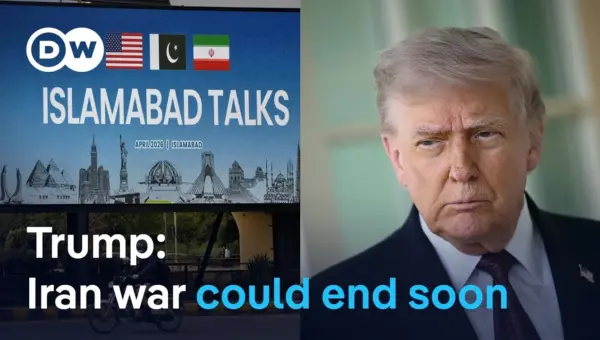
U.S. President Donald Trump expressed optimism that the conflict with Iran could end soon, despite ongoing threats between the two nations. A senior Iranian official warned of regional trade blockades if U.S. naval blockades are not lifted. Experts caution that any deal must address core issues, not just short-term military gains, to achieve lasting strategic success.
US-Iran Peace Talks Stall; Gap ‘Wider Than Strait of Hormuz’
Peace talks between the U.S. and Iran remain stalled, with a significant gap described as 'wider than the Strait of Hormuz.' Despite White House optimism about ending the conflict and lowering gas prices, public opinion shows weariness and concern over the war's economic toll. International diplomatic efforts continue, but major hurdles persist in resolving key issues.