Iran Blockade Sparks War Concerns, Backfires on US, Expert Warns
The U.S. blockade on Iranian ports, aimed at crippling its economy, is sparking concerns of an "act of war" and may backfire, according to former diplomat Barbara Leaf. While the U.S. and Iran prepare for potential peace talks, hardline rhetoric and the blockade's global economic impact complicate diplomatic efforts. A key concern is a potential confrontation with China if U.S. forces intercept Chinese vessels.

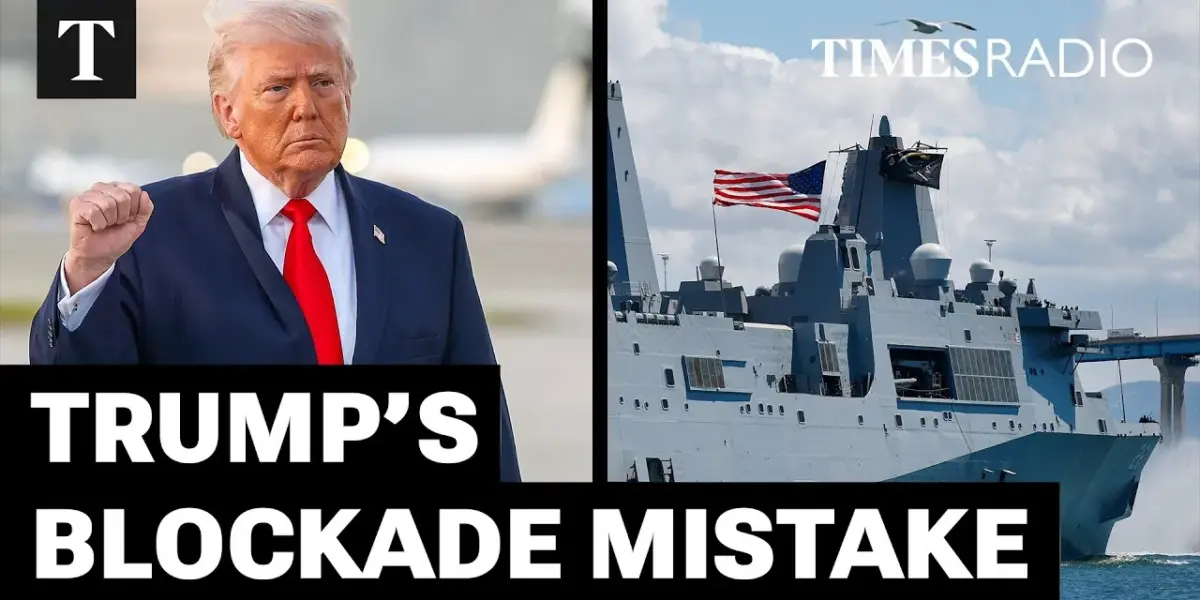
US Imposes Port Blockade on Iran Amid Rising Tensions
The United States has implemented a significant blockade on Iranian ports, effectively halting the country’s sea trade. This move, described by President Trump’s chief of staff as a strategy to “reset the American power dynamic for the next 100 years,” aims to pressure Iran into accepting U.S. demands.
The strategy, as articulated by Steven Miller, suggests that controlling sea trade gives the U.S. leverage in foreign policy showdowns. Miller stated that the blockade places Iran in a “checkmate” position, where any path Iran chooses – accepting a deal or facing economic strangulation – results in an American victory. He predicted that if Iran succumbs to the blockade, it will become a “footnote” as new global energy routes and supply chains emerge, powered by America and other nations.
Diplomatic Talks Face Hurdles Amidst Hardline Rhetoric
Despite the aggressive stance, reports indicate that the U.S. and Iran are preparing for fresh peace talks, potentially next week. However, expectations for a breakthrough are tempered by public statements from President Trump. During recent interviews, Trump expressed reluctance to accept a 20-year suspension of Iran’s nuclear capabilities, suggesting it would appear as a win for Iran. This public discussion of negotiation terms, according to former U.S. Assistant Secretary for Near Eastern Affairs Barbara Leaf, reduces the space for effective diplomacy.
“The more the president talks about these elements in public, the less space there is for negotiations at the table,” Leaf stated.
Leaf, who served as ambassador to the United Arab Emirates, emphasized the critical need for the U.S. to not only engage in diplomatic negotiations but to remain committed to them. While acknowledging the role of military pressure and sanctions, she believes a far-reaching negotiated solution is essential for addressing Iran’s nuclear program and other regional issues.
Blockade’s Economic Impact and Regional Concerns
The U.S. blockade is intended to cripple Iran’s economy, forcing concessions. However, Barbara Leaf expressed skepticism about the strategy’s effectiveness and potential backlash. She pointed to rising U.S. gas prices, suggesting that Americans would quickly become unhappy if prices breach the $5 per gallon mark, a scenario she believes could be exacerbated by the blockade’s disruption of global energy markets.
Leaf also noted that Iran appears prepared to endure significant public hardship, believing the regime can withstand the economic pain. This standoff could prolong for months, testing the resilience of each side. She highlighted that regional partners, Europe, and Asia are already feeling the negative effects of disrupted trade, indicating a lack of broad international support for the blockade’s severe economic impact.
China Faces Potential Confrontation Over Blockade
A significant concern raised by Leaf is the potential for confrontation with China. With President Trump’s upcoming visit to Beijing, where he aims to strike trade deals while simultaneously threatening tariffs, the situation is complex. Leaf warned that China could test the workability of the U.S. blockade, particularly if it involves intercepting Chinese-flagged vessels carrying goods.
Leaf described the blockade itself as an “act of war.” She stated that the U.S. stopping or boarding a Chinese vessel, especially one escorted by a Chinese naval ship, could significantly escalate tensions between Washington and Beijing. This scenario poses a tricky challenge for the U.S., potentially igniting a major diplomatic crisis.
Looking Ahead: Navigating Diplomacy and Potential Conflict
As diplomatic talks loom, the path forward remains uncertain. The U.S. faces the challenge of balancing assertive pressure with genuine negotiation, while regional actors express urgency for a resolution. The potential for direct conflict with China over the blockade adds another layer of complexity. Observers will be watching closely to see if diplomatic channels can de-escalate tensions or if the blockade’s aggressive posture leads to wider regional instability and a significant international incident.
Source: Trump’s Blockade Is An Act of War And Will Backfire | Barbara Leaf (YouTube)

Related Articles
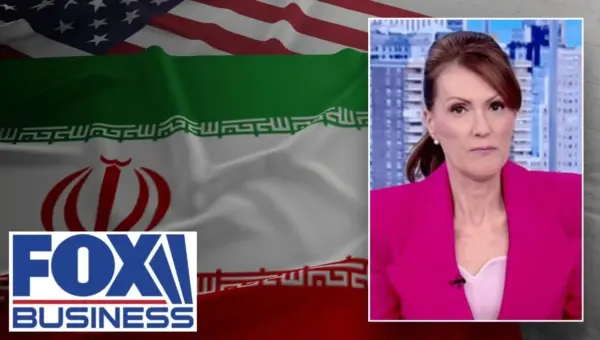
US Markets Surge as Iran Tensions Ease, Oil Prices Steady
U.S. stock markets are hitting new highs as tensions with Iran ease, with the S&P 500 reaching record levels. Despite persistent oil prices around $92 a barrel, the U.S. economy shows resilience, boosted by record oil exports. The focus is shifting to the economic confrontation with Iran, including the non-renewal of oil sales waivers, and long-term strategies to bypass the Strait of Hormuz.
Trump’s Blockade Fails, Allies Shun Mission: A Pattern?
A reported failure of Donald Trump's blockade of the Strait of Hormuz, with ships passing through unimpeded, raises questions about policy effectiveness. This incident, coupled with allies' reluctance to join the mission, suggests a pattern of unintended consequences and strained international relations.


Russia’s War Costs Strain Putin’s Elite Bargain
Russia's prolonged war in Ukraine is straining President Putin's grip on power. Declining oil revenues and escalating military costs are forcing internal power shifts, with intelligence services reportedly gaining influence. This financial pressure is creating significant discontent among the elite and risking broader instability within the Kremlin.