Bradley Armor Adapts to FPV Drone Warfare
Ukrainian Bradley fighting vehicles are now equipped with added netting to counter the growing threat of FPV drones. This adaptation aims to detonate drone explosives further from the vehicle's armor, allowing its protection to withstand the impact. The modifications reflect the ongoing evolution of armored warfare tactics.

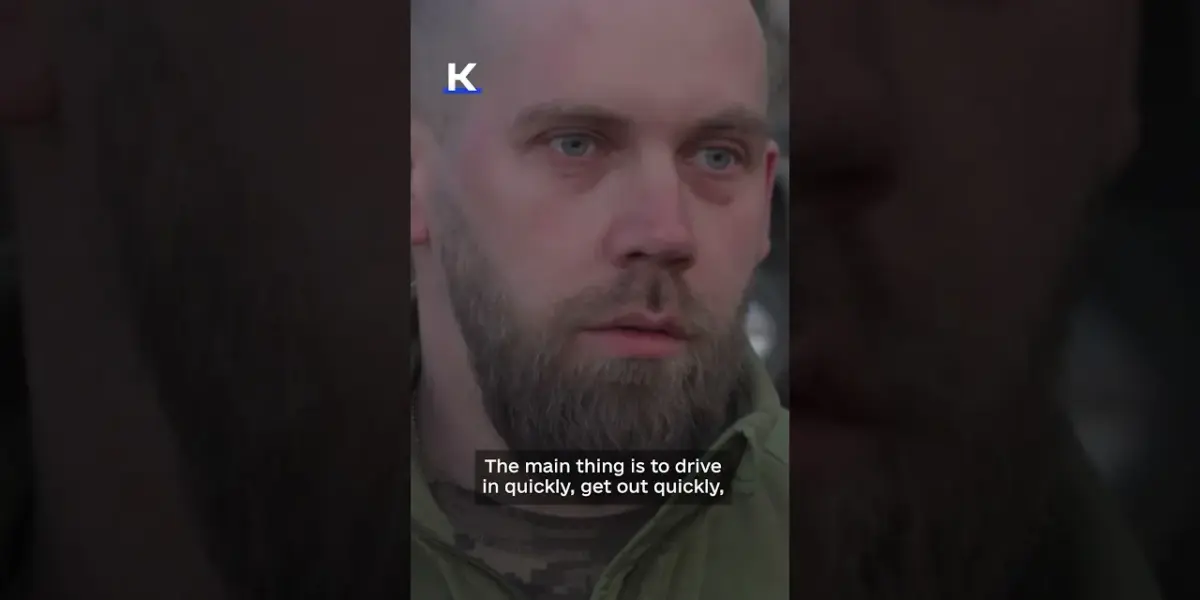
Ukraine’s Bradleys Battle FPV Drone Menace
Ukraine’s armored crews are facing a new threat on the battlefield: FPV drones. These small, fast drones can quickly spot and target vehicles. However, Western armored vehicles like the Bradley fighting vehicle still offer significant advantages. Their speed and protection remain crucial when used in well-planned military operations.
Adapting with Extra Protection
The Bradley fighting vehicles now operating in Ukraine have received significant upgrades. These additions were not present when the vehicles were first delivered. Both Ukrainian and Russian forces are now adding extra netting and cage-like structures to their armored vehicles. These modifications aim to protect against drone attacks.
Some of these defensive additions have become quite elaborate. Russian forces, in particular, have been seen using designs that resemble armored vehicles from the movie “Mad Max.” These complex structures are often referred to as “turtle shells.” However, Ukrainian soldiers report that simpler netting systems are proving effective.
How the Netting Works
The basic netting systems are designed to achieve a specific goal. They aim to ensure that the explosive charge of an FPV drone detonates further away from the vehicle’s main armor. This increased distance significantly reduces the impact of the blast on the Bradley’s protective hull. By forcing the detonation to occur earlier, the vehicle’s inherent armor can then better withstand the remaining force.
Strategic Context: The FPV Drone Threat
The rise of FPV (First-Person View) drones has changed modern warfare. These drones are relatively inexpensive and easy to operate. They provide a direct, real-time video feed to the operator, allowing for precise targeting. For armored vehicles, which are expensive and vital assets, this presents a serious vulnerability.
FPV drones can loiter over an area, waiting for targets. Their small size makes them difficult to detect with traditional radar systems. Once a target is identified, the drone can be flown directly into it, detonating its payload. This makes even heavily armored vehicles susceptible to damage or destruction if not properly protected.
What This Means on the Ground
The adaptation of Ukrainian Bradleys with added netting shows a dynamic response to battlefield conditions. It highlights the constant evolution of military tactics and technology. Even advanced Western equipment needs to be modified to counter emerging threats. The effectiveness of these simple nets suggests a cost-effective solution to a complex problem.
This also means that crews must be vigilant. They rely on these added layers of protection. The effectiveness of the netting is directly tied to the success of planned operations. It allows the Bradley to continue its role in providing mobile protected firepower and troop transport despite the FPV drone threat.
Historical Parallels
The concept of adding external protection to armored vehicles is not new. During World War II, tanks were often fitted with “Schürzen,” or side skirts. These were metal plates designed to protect against anti-tank rifle rounds and magnetic mines. Later, during the Vietnam War, tanks often had “carapace” armor, essentially sandbags or extra steel plates, added to their hulls to counter rocket-propelled grenades.
These historical examples show a recurring theme in armored warfare. Designers and soldiers constantly seek ways to improve protection against new weapons. The current use of netting against FPV drones is a modern iteration of this ongoing adaptation. It demonstrates the military’s ability to innovate under pressure.
Geopolitical Impact
The ongoing adaptation of military hardware in Ukraine has broader implications. It provides real-world testing grounds for new technologies and tactics. Nations observing this conflict can learn valuable lessons. These lessons can inform their own defense strategies and equipment procurement.
The success or failure of specific protective measures, like the netting on the Bradleys, can influence future designs. It can also affect decisions about which types of drones are most effective and how to counter them. This continuous cycle of innovation and counter-innovation shapes the future of global defense capabilities.
Source: Ukraine’s Bradley crews operate under FPV drone threat (YouTube)

Related Articles


Germany, Ukraine Deepen Defense Ties, Boost Air Power
Ukraine and Germany have signed a major defense pact, boosting air defense systems and joint drone production. This strategic partnership aims to enhance European security amidst ongoing Russian strikes on Ukrainian cities. Diplomatic talks continue between Russia and China, while the U.S. reports progress in Iran negotiations.

Ukraine Vet Details 8 Years of Covert Resistance
A Ukrainian soldier details eight years of covert resistance against Russian occupation in his hometown. He describes the pervasive fear, the shift to underground communication, and the brutal realities of life under foreign control. The soldier now serves in the Ukrainian military, reflecting on his mission into Russia and the future of occupied territories.


EU Parliament Debates Mideast Conflicts, Iran Sanctions, and Ukraine Aid
EU Parliament members convened to address escalating global conflicts, focusing on the war in Iran, tensions at the Strait of Hormuz, and support for Ukraine. Discussions also covered European security concerns regarding Russia and the potential for enhanced cooperation with Gulf countries.