Tax Cuts Boost Wallets, Fueling Economic Optimism
White House officials highlighted President Trump's "Working Families Tax Cuts," reporting record refunds and significant benefits for small businesses. The administration emphasized that these cuts empower Americans to keep more of their earnings, contrasting their approach with Democratic policies.

Tax Cuts Boost Wallets, Fueling Economic Optimism
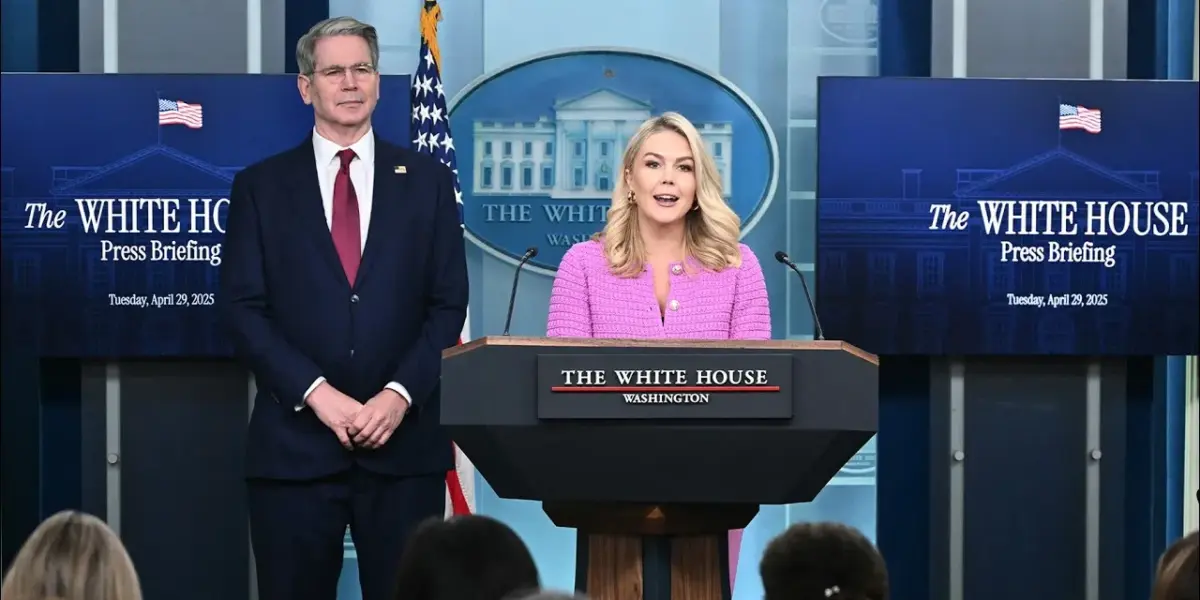
The White House recently held a press briefing to highlight the impact of President Trump’s “Working Families Tax Cuts.” Treasury Secretary Scott Bessent and Small Business Administrator Kelly Loeffler joined Press Secretary Caroline Holloway to share details about the tax season. They emphasized that these cuts have put significant money back into the pockets of American workers and small businesses.
Key Tax Relief Measures
The “Working Families Tax Cuts,” passed by President Trump and congressional Republicans, aim to provide relief to various groups. Key provisions include:
- No Tax on Tips and Overtime: Workers in service industries and those who put in extra hours are seeing more of their earnings.
- Tax Relief for Seniors: Enhanced deductions are available for senior citizens.
- Deductions for Auto Loans: Interest paid on loans for American-made cars can be deducted.
- Small Business Tax Relief: A permanent 20% deduction for small businesses is designed to encourage growth and job creation.
- Child Tax Credit: The child tax credit has been permanently doubled and expanded.
- Standard Deduction: The standard deduction was also permanently doubled, simplifying tax filing for many.
Record Refunds and Small Business Growth
As of April 12th, over 53 million taxpayers had claimed at least one of the new tax cuts. The average refund this filing season is reported to be over $3,400, with the administration stating they have issued more and larger refunds than in any previous year. Secretary Bessent noted that the “no tax on overtime” provision has been particularly popular, with 25 million filers claiming it.
For small businesses, the impact is also significant. Administrator Loeffler highlighted that 12 million small businesses have seen average tax savings of $7,000. The 20% pass-through deduction is now permanent, providing certainty for business owners. Examples like Eric Williams of Prince Manufacturing in Georgia, who is reinvesting tax savings to hire 500 new employees, were cited as proof of the cuts’ positive effects. Companies are using these savings for expansion, hiring, and investing in new equipment and research.
Economic Philosophy: People Know Best
A core belief shared by the administration and Republicans is that the American people know how to spend their money better than the government does. The tax cuts are presented as a way to empower individuals and businesses to make their own financial decisions. This contrasts with the approach of Democrats, who, according to the press briefing, voted against these tax cuts and would have led to significant tax hikes for Americans.
“Democrats in Congress have proven over and over again that they are the affordability frauds who believe the government should keep more of the American people’s hard-earned money,” stated the press secretary. “This president and Republicans in Congress fundamentally believe that Americans deserve to keep more of their hard-earned paychecks.”
Addressing Concerns and Future Outlook
During the Q&A session, officials addressed various topics, including the IRS’s efficiency, the media’s portrayal of tax refunds, and economic indicators. Secretary Bessent pushed back against a narrative suggesting a “soft” tax season, stating the IRS has managed millions more taxpayers digitally while maintaining in-person and phone services. He emphasized the focus on “parallel prosperity” and bringing economic benefits back to Main Street.
When asked about high gas prices, Secretary Bessent expressed optimism that prices could reach $3 a gallon by late summer or early fall, depending on ongoing negotiations. He also noted that gas stations are expected to lower prices as crude oil costs have fallen.
Administrator Loeffler addressed concerns about falling small business optimism, arguing that a single month’s data doesn’t represent a trend. She pointed to long-term optimism under President Trump being above average, contrasting it with a period under the Biden administration where optimism fell below average for 34 consecutive months due to regulation and high taxes.
Why This Matters
The “Working Families Tax Cuts” represent a significant policy initiative aimed at stimulating the economy from the ground up. By reducing the tax burden on individuals and small businesses, the administration seeks to encourage spending, investment, and job creation. The emphasis on letting people keep more of their earnings reflects a particular economic philosophy that prioritizes individual financial freedom and market-driven growth.
The briefing also served to highlight a clear contrast with the opposing party’s economic policies. By repeatedly mentioning that every Democrat in Congress voted against these tax cuts, the administration is framing the debate around affordability and who best serves the interests of working Americans and small businesses. This framing is crucial as the country heads into further economic discussions and potential policy changes.
Historical Context and Trends
Tax policy has always been a central debate in American politics. Historically, tax cuts have been used as a tool to stimulate economic activity, with varying degrees of success and debate over their beneficiaries. The Trump administration’s approach, often referred to as “supply-side economics” or “trickle-down economics,” aims to spur growth by reducing taxes on businesses and individuals, with the expectation that this will lead to increased investment, job creation, and ultimately, benefits for all income levels.
The current tax cuts build on similar policies enacted previously, such as the Tax Cuts and Jobs Act of 2017. The focus on specific groups like service workers (tips) and overtime earners reflects an effort to ensure that the benefits are felt by a broad range of the working population, not just the highest earners. The administration’s emphasis on small businesses also taps into their role as major job creators in the U.S. economy.
Future Outlook
The long-term impact of these tax cuts will continue to be a subject of analysis and debate. Supporters will point to increased refunds, business investment, and job growth as evidence of their success. Critics, however, may focus on the national debt, the distribution of benefits, and whether the cuts disproportionately favor corporations and high-income individuals. The administration’s continued efforts to promote these cuts and encourage actions like changing tax withholding suggest a strategy to solidify their economic narrative and influence future policy discussions.
The upcoming tax seasons will provide further data to assess the effectiveness of these policies. As the economy evolves, the administration’s approach to taxation, regulation, and economic growth will likely remain a key focus, shaping the financial well-being of millions of Americans.
Source: LIVE: White House Press Secretary Holds Briefing, Joined by Secretary Bessent, SBA Chief Loeffler (YouTube)

Related Articles


New Entrepreneurs Face Shocking Tax Bills
New entrepreneurs are often blindsided by significant tax bills as their businesses become profitable. Understanding self-employment taxes and planning ahead are crucial to avoid financial distress and ensure long-term business success.

Trump’s Tax Plan Backfires: Approval Rating Plummets
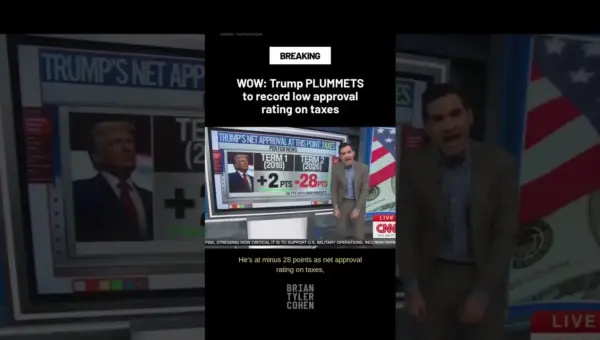
Donald Trump's approval rating on taxes has fallen 30 points since his first term, reaching a new low of minus 28. This sharp decline, particularly among independent voters who are 58 points underwater, suggests the public does not credit him for tax cuts.

GOP Touts Tax Cuts: ‘Bigger Refunds’ for Working Families
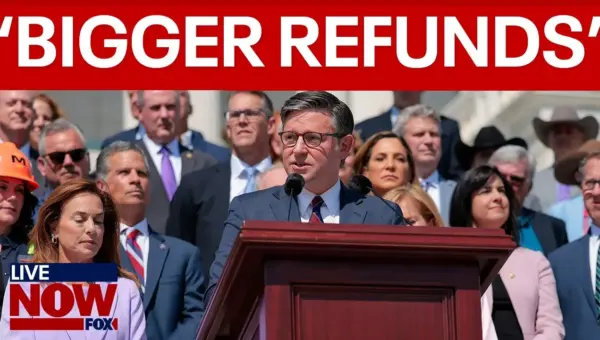
House Republicans are highlighting the "Working Families Tax Cuts" on the first Tax Day since its implementation, claiming it's delivering "bigger refunds" and financial relief to everyday Americans. They contrasted these benefits with "Bidenomics," asserting that Democrats voted against the cuts and for tax increases.