First Lady Champions Foster Youth: Congress Moves to Reform System
First Lady Melania Trump joined the House Ways and Means Committee to discuss critical reforms for youth aging out of foster care. The 'Fostering the Future' initiative and proposed legislation aim to provide better access to education, housing, and job training for vulnerable young adults.


First Lady Champions Foster Youth: Congress Moves to Reform System
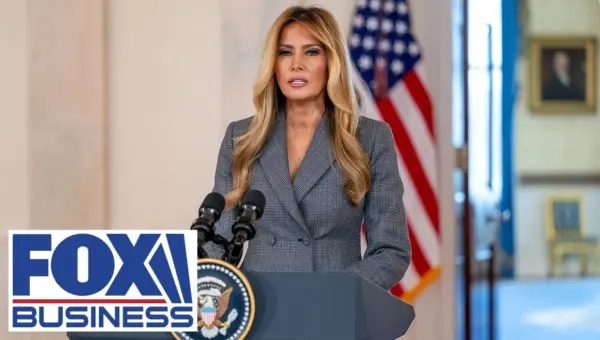
Melania Trump has long been a dedicated advocate for young people in America’s foster care system. Recently, she joined members of the House Ways and Means Committee for a roundtable discussion. The meeting focused on the urgent need to improve the support systems for youth aging out of foster care. This initiative, known as ‘Fostering the Future,’ aims to create more opportunities for these young people.
Every year, about 18,000 to 20,000 young people leave the foster care system. Many of them do not have a permanent family to rely on. This makes them one of the most vulnerable groups in the United States. The discussion highlighted how crucial it is to provide these youth with the tools they need to succeed after they age out.
Fostering the Future Initiative
Melania Trump’s ‘Fostering the Future’ initiative has brought much-needed attention to the challenges faced by foster youth. The program focuses on providing access to higher education and preparing individuals for jobs. The goal is to help them become financially independent and even start their own businesses.
“When I first developed fostering the future, one thing became very clear,” Mrs. Trump stated. “The foster care community requires action over awareness.” This initiative currently works with over 20 universities across the country. However, only about 3% of individuals in foster care earn a college degree. This highlights the significant gap that still needs to be addressed.
The CHAFEE Program and Needed Reforms
The Chaffee program is the main federal effort to help youth aged 14 to 23 transition out of foster care. Despite its existence, many young people do not benefit from it. Less than a quarter of eligible youth actually receive Chaffee services. This is often due to a lack of awareness and limited funding.
The House Ways and Means Committee has been working on bipartisan reforms to modernize Chaffee. Six bills have been introduced to address key issues. These include improving coordination with housing programs and expanding educational and job training opportunities. The committee members emphasized that these reforms are based on feedback from those directly affected by the system.
Voices from Foster Youth
The roundtable included powerful testimonies from young people who have experienced the foster care system. Jaden Martinez shared his story of entering foster care at 15 and aging out at 18. He spoke about the struggles of homelessness and living on very little money while trying to start college.
“Success for a foster youth shouldn’t be a result of luck. It should be a result of opportunity,” Jaden told the committee. He urged them to pass the bipartisan Chaffee bills, which he believes will turn luck into law for many young people. He highlighted how financial support, like the increased Education and Training Vouchers (ETV), can make a significant difference.
Jocelyn Fetting, who spent eight and a half years in foster care, echoed these sentiments. She earned both her bachelor’s and master’s degrees but still struggled to meet basic needs like food and housing. She spoke about the emotional toll of being the oldest sibling and the difficulty of staying connected with her younger brothers and sisters.
“The systems meant to support them have not kept pace with their needs,” Jocelyn explained. She believes that reforms like the Connect Act, which prioritizes family connections, and bills supporting postsecondary education and workforce training are vital. “Foster youth are not broken. We are ready. But readiness is not the problem. Access and having people in our corner is,” she concluded.
Bipartisan Support and Future Outlook
The commitment to reform is strongly bipartisan. Chairman Darren LeHood and Ranking Member Danny Davis have worked together to develop these legislative proposals. They praised Mrs. Trump’s leadership and her ability to bring attention to the cause.
“Your presence here today and leadership on fostering the future has elevated foster care at the highest level of government,” Chairman LeHood told Mrs. Trump. He expressed confidence that through bipartisan efforts, these reforms can be passed. The goal is to move beyond discussions and deliver tangible tools for foster youth to achieve long-term success.
A key issue highlighted is the insufficient funding for the Chaffee program. Since its creation in 1999, funding has only increased by a small amount, even as the needs of foster youth have grown. Members noted that the investment needed is relatively small compared to other government spending but would be life-changing for these young people.
The roundtable represented a critical opportunity for dialogue between policymakers and those with lived experience. The stories shared are expected to drive legislative action. The focus is now on turning these conversations into concrete policies that will offer greater opportunity and stability for young people transitioning out of foster care.
Why This Matters
The well-being of youth aging out of foster care is a significant societal concern. These young adults often face immense challenges without a safety net, leading to higher rates of homelessness, unemployment, and involvement with the justice system. The efforts by Mrs. Trump and the bipartisan work in Congress aim to break this cycle.
By modernizing programs like Chaffee and increasing access to education, housing, and job training, policymakers are seeking to ensure that these young people have a fair chance to build stable and fulfilling lives. This legislative push, amplified by the First Lady’s advocacy and the personal stories of foster youth, represents a crucial step towards providing essential support and opportunity for a vulnerable population.
Historical Context and Trends
The foster care system in the U.S. has evolved over decades, with increasing recognition of the unique needs of older youth. The Chaffee Foster Care Independence Program was established in 1999 to provide services for youth aged 16-21 preparing to age out. However, its implementation and funding have consistently fallen short of the need.
Reports from organizations like the Government Accountability Office (GAO) have repeatedly pointed out inefficiencies and underutilization of funds. For instance, a GAO report found that states returned millions in unused Chaffee funds in 2023 alone, even as youth struggled with basic needs. This situation underscores a systemic issue: funds are available but not always reaching those who need them most, or programs are not designed to effectively meet their complex challenges.
The current legislative efforts reflect a growing trend towards more targeted and comprehensive support. They acknowledge that simply aging out of the system is not a sufficient preparation for adulthood. Issues like housing instability, mental health support, and workforce readiness require dedicated programs and adequate funding. The bipartisan nature of these reforms suggests a growing consensus across the political spectrum that investing in foster youth is a matter of both compassion and smart policy.
Implications, Trends, and Future Outlook
The successful passage of these bipartisan bills would mark a significant improvement for thousands of young people annually. It would signal a commitment to not just awareness, but to providing concrete resources that can alter life trajectories. The focus on coordinating housing programs with initiatives like the Melania Trump Foster Youth to Independence Housing Program is particularly important, as stable housing is a fundamental prerequisite for educational and career success.
The trend towards recognizing the diverse paths young people take after foster care—whether academic, vocational, or entrepreneurial—is also a positive development. The legislation aims to support these varied goals, ensuring that opportunities are not limited to one specific pathway. This inclusive approach reflects a broader understanding of success in the 21st century.
Looking ahead, the challenge will be ensuring that these reforms are adequately funded and effectively implemented at the state and local levels. Continued collaboration between federal policymakers, child welfare agencies, educational institutions, and community organizations will be essential. The involvement of former foster youth in shaping policy, as seen in this roundtable, is a critical trend that should continue, ensuring that programs remain relevant and responsive to real-world needs. If successful, these reforms could dramatically improve outcomes for a generation of young adults, reducing their risk of hardship and increasing their potential for contribution to society.
Source: LIVE: Melania Trump Participates in House Ways and Means Roundtable (YouTube)

Related Articles

First Lady Leads Bipartisan Push for Foster Youth Reform
First Lady Melania Trump is leading a bipartisan effort to reform the Chaffey program, which supports youth aging out of foster care. Six new bills aim to improve housing, education, and job training for these vulnerable young adults. The initiative highlights personal stories of resilience and the critical need for increased support.


Bondi Evades Subpoena Amid Epstein Files Fallout
Former Attorney General Pam Bondi is evading a congressional subpoena related to the Jeffrey Epstein files, sparking threats of contempt. This occurs shortly after Melania Trump's public statement and amidst ongoing scrutiny of the files' redactions and past allegations. The situation highlights a push for accountability from both Democrats and Republicans.


Epstein Survivor Questions First Lady’s Call for Public Testimony
Epstein survivor Marina Lacerda questions First Lady Melania Trump's call for public testimony, calling it a "deflection of responsibility." Lacerda argues that survivors have already shared their stories and that the truth lies within the existing files. She demands investigations into the prominent names linked to Epstein, not further trauma for victims.