Trump’s Middle East Gambit: Escalation or Empty Threat?
The US is sending troops and imposing a blockade in the Middle East, signaling escalation. Yet, conflicting messages from Donald Trump suggest peace is near. This analysis explores the contradictory actions, Iran's defiant response, and the potential global economic and political fallout.

Escalation in the Middle East: A Contradictory Approach
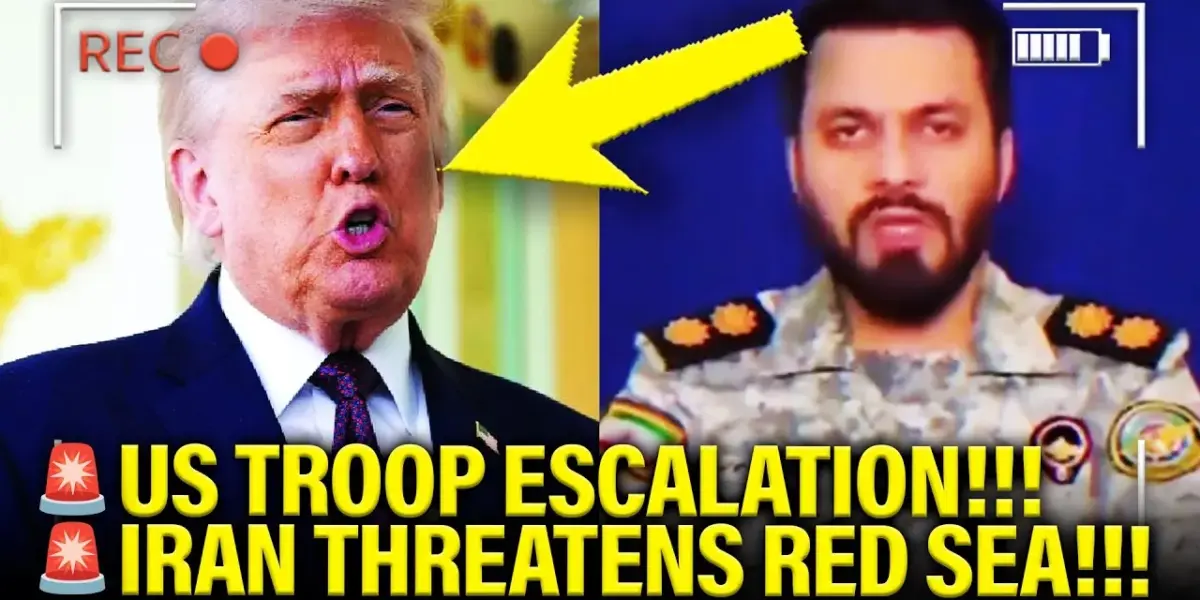
The Middle East is once again a focal point of international tension, with new reports indicating a surge of American troops in the region. This deployment, alongside a naval blockade in the Persian Gulf, signals a significant escalation. However, the situation is made more confusing by conflicting messages, particularly from Donald Trump. While publicly suggesting that Iran is ready for a deal and that the conflict is nearing its end, actions on the ground suggest otherwise. The dispatch of the George H.W. Bush carrier strike group, carrying thousands of soldiers, directly contradicts claims of de-escalation.
Iran views these actions as a clear sign of aggression. Their military spokesperson has warned that if the American blockade continues, they will prevent all trade in the Gulf and the Sea of Oman. Furthermore, Iran has threatened to extend this disruption to the Red Sea, potentially involving Houthi forces in Yemen. This would severely impact global commerce and likely cause oil prices to skyrocket.
Naval Maneuvers and Shifting Alliances
The US naval strategy itself raises questions. The George H.W. Bush carrier strike group is reportedly taking a lengthy route around Africa, avoiding the Red Sea due to concerns about Houthi threats. This avoidance is seen by some as a weak message to ships considering passage through the Strait of Hormuz, implying that even a powerful US carrier group is hesitant to enter waters potentially controlled by Iranian proxies.
Despite the US blockade, there are reports of Iranian oil tankers and other cargo ships successfully navigating the Strait of Hormuz. These vessels are reportedly ignoring warnings and proceeding with their journeys. This suggests that the blockade may not be as effective as intended, with some ships managing to evade or simply disregard the US presence. The overall activity through the Strait remains low, negatively impacting the global economy.
Diplomacy vs. Confrontation: A Flawed Strategy?
The current approach appears to be a mix of negotiation and military posturing, but critics argue this is a flawed strategy. Iran has consistently stated that any resolution requires respect for their sovereignty and certain concessions. Instead, Trump’s administration seems to be treating negotiations as a form of warfare, a tactic that has historically proven ineffective.
Iran has responded with public mockery, using social media to criticize Trump’s approach. Memes and online posts portray Trump as trapped and making blunders, contrasting his past claims of unconditional surrender from Iran with the current reality. One widely shared image depicts Trump as a baby playing a video game titled “Hormuz Strait,” with the caption, “Not a game, kiddo.” This mockery highlights a perception of weakness and cognitive impairment from the Iranian side.
Historical Context and Shifting Perceptions
The Strait of Hormuz has long been a critical chokepoint for global oil supplies. Its strategic importance has made it a recurring flashpoint in US-Iran relations. Historically, periods of increased tension have often been accompanied by naval deployments and threats to shipping. The current situation echoes past confrontations, but the added layer of social media commentary and the use of AI-generated imagery by both sides adds a new dimension to the conflict.
Trump’s public statements, including claims of receiving a letter from Chinese President Xi Jinping and his renaming of geographical locations like the Gulf of Mexico to “Gulf of America,” have also drawn criticism and ridicule. These actions are seen by some as erratic and counterproductive, further alienating allies and emboldening adversaries.
International Relations Under Strain
The US strategy seems to be isolating America on the global stage. Allies like Italy are reportedly distancing themselves due to disagreements over the approach to Iran. Europe is even exploring options to open the Strait of Hormuz independently, without US involvement. This suggests a growing dissatisfaction with American leadership and a move towards independent foreign policy initiatives.
Furthermore, the vacuum left by perceived American disengagement is being filled by other global powers. China is increasing its influence in the Middle East, and countries like Canada and Australia are questioning their reliance on the US. The “America First” policy appears to be leading to “America Alone,” weakening its global standing and creating opportunities for rivals.
Why This Matters
The escalating tensions in the Middle East, coupled with contradictory messaging from leadership, have significant implications for global stability and the world economy. The potential closure of the Strait of Hormuz or disruptions in the Red Sea could lead to severe economic consequences, including a sharp rise in oil prices and widespread supply chain issues. The credibility of US foreign policy is also at stake, as allies question its reliability and adversaries perceive opportunities to advance their own interests.
The current situation underscores the complex interplay between diplomacy, military action, and public perception in international relations. The effectiveness of a strategy that blends aggressive posturing with claims of imminent peace remains to be seen. However, the current trajectory suggests a path fraught with risk, potentially leading to further conflict rather than resolution.
Future Outlook: A Path Forward?
The situation in the Strait of Hormuz and the broader Middle East remains volatile. The effectiveness of the US blockade, Iran’s response, and the reactions of other global powers will shape the future. While Trump claims the conflict is nearing its end and a deal is imminent, the military deployments and Iran’s defiant stance suggest otherwise. The reliance on military strength without a clear diplomatic strategy risks further entanglement and unintended consequences.
The international community is watching closely. The ability of nations to cooperate and find diplomatic solutions will be crucial in preventing a wider conflict. The current path, characterized by mixed signals and escalating military presence, presents a significant challenge to achieving lasting peace and stability in the region.
Source: Trump PANICS as Troops SUDDENLY SURGE in WAR!! (YouTube)

Related Articles


Trump’s Memo: A Political Play, Not a Paycheck Promise
A presidential memo intended to pay TSA workers during a shutdown was more political theater than a legal solution. Lacking the constitutional "power of the purse," the memo offered false hope, highlighting the separation of powers and the limits of executive authority.
Iran Ceasefire Risks Spiraling Out of Control Amid Talks
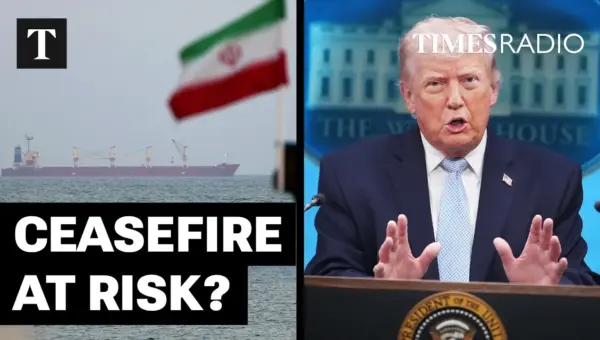
A fragile ceasefire between Iran and the US, expiring in two weeks, faces major risks of collapse. Ongoing back-channel talks are attempting to bridge gaps, but experts warn that even minor incidents could easily escalate. The US naval blockade adds another layer of tension, with China watching closely but appearing hesitant to intervene.

US Navy Blockade Tightens Grip on Iran’s Sea Lanes
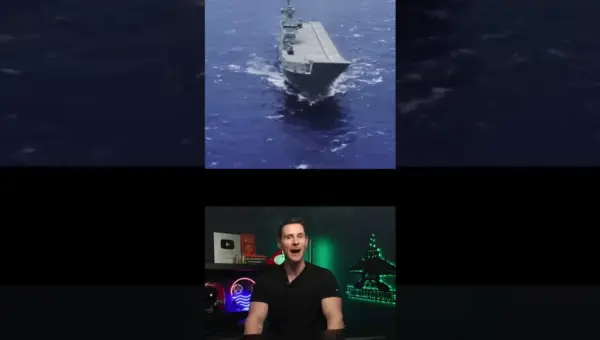
The U.S. Navy has implemented a strict blockade in the Strait of Hormuz, preventing Iranian ships from leaving port. This move puts significant pressure on Iran's economy and military, potentially paving the way for peace talks.