US Navy Blockade Tightens Grip on Iran’s Sea Lanes
The U.S. Navy has implemented a strict blockade in the Strait of Hormuz, preventing Iranian ships from leaving port. This move puts significant pressure on Iran's economy and military, potentially paving the way for peace talks.

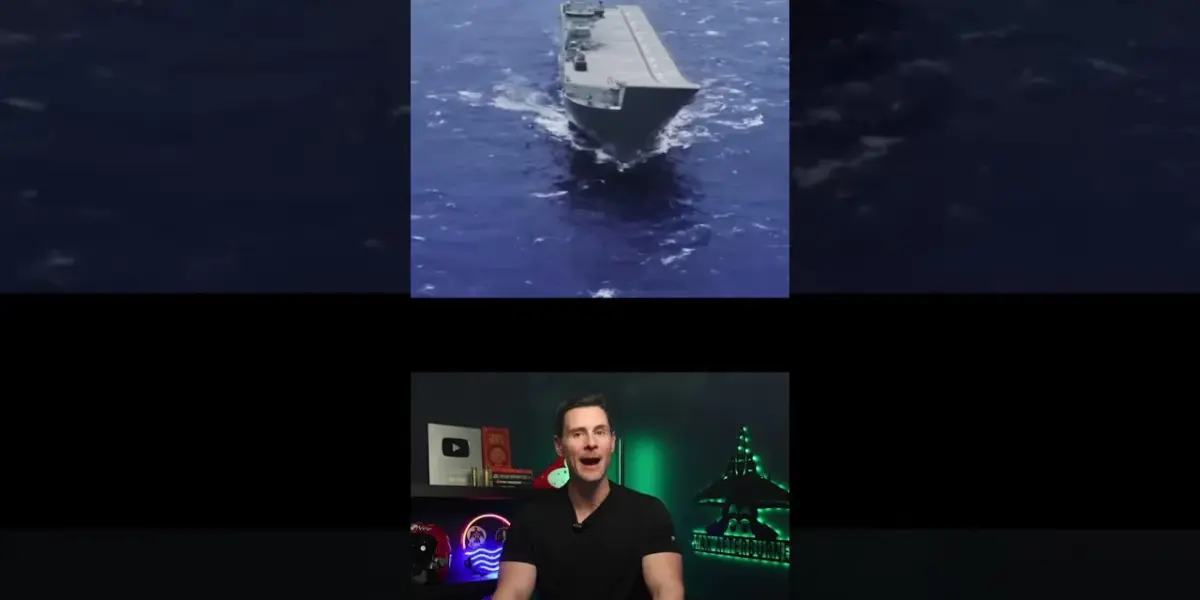
US Navy Tightens Grip on Iran’s Sea Lanes
For the third day, the U.S. Navy’s blockade has severely restricted Iranian maritime movement. This action has placed Iran in a difficult strategic position. Six Iranian ships reportedly turned back on the first day of the blockade in the vital Strait of Hormuz. These actions were enforced solely through radio warnings, with no shots fired. The operation appears to be meticulously planned and executed.
Strait of Hormuz Blockade Enforces Maritime Control
The U.S. military’s operation in the Strait of Hormuz, a critical chokepoint for global oil shipments, has effectively cut off Iranian vessels. The U.S. Navy, spearheaded by the carrier strike group led by the USS Abraham Lincoln and supported by Arleigh Burke-class destroyers, is projecting significant American sea power. This overwhelming presence aims to deter Iran from attempting to exit its ports. The message is clear: any move to leave port will be met with decisive action.
Potential for Diplomatic Breakthrough
Despite the military pressure, the U.S. administration has indicated that peace talks with Iran could begin within days. This suggests a dual approach, combining military deterrence with diplomatic overtures. The blockade’s effectiveness could compel Iran to consider negotiations. The Trump administration’s willingness to engage in talks signals a potential de-escalation pathway, contingent on Iran’s response to the maritime pressure.
Strategic Implications
This blockade represents a significant strategic move. The Strait of Hormuz is a narrow waterway where a small percentage of the world’s oil passes daily. Controlling access to this strait gives the U.S. considerable leverage. By limiting Iran’s ability to export oil or project naval power, the blockade directly impacts Iran’s economy and its military’s operational reach. This pressure could be aimed at the Islamic Revolutionary Guard Corps (IRGC), a powerful military and economic entity within Iran. The hope is that this economic and military squeeze will force the IRGC to the negotiating table. Furthermore, such extreme pressure might even expose divisions within Iran’s top leadership, potentially leading to internal political shifts.
Historical Parallels
Naval blockades have historically been potent tools of statecraft. During the Cuban Missile Crisis, the U.S. established a naval quarantine around Cuba to prevent Soviet ships from delivering offensive weapons. This action, while less severe than a full blockade, demonstrated how controlling maritime access could force a rival into a corner. The current operation in the Strait of Hormuz echoes this tactic, using sea power to achieve strategic objectives without direct military confrontation.
What This Means on the Ground
For Iran, the blockade means severely limited options for its navy and economy. Ships are being prevented from leaving ports, disrupting trade and potentially cutting off vital revenue streams. This isolation at sea could have cascading effects on Iran’s ability to sustain its military operations and support its proxies abroad. The U.S. Navy’s posture, with the USS Abraham Lincoln and its escorts, serves as a constant reminder of American naval dominance in the region. This show of force is designed to be intimidating, signaling that Iran is outnumbered and outmatched in this maritime theater.
Geopolitical Impact
The successful enforcement of this blockade could reshape regional dynamics. It demonstrates the U.S.’s commitment to maintaining freedom of navigation while simultaneously applying pressure on Iran. Other nations reliant on the Strait of Hormuz for trade will be watching closely. The situation highlights the ongoing tensions between the U.S. and Iran and the potential for further escalation or de-escalation depending on diplomatic outcomes. The blockade’s success could embolden further U.S. actions in the region, while its failure could embolden Iran.
Source: U.S. Military Just Forced Iran Into a Corner They Can’t Escape (YouTube)

Related Articles


Oil Prices Surge to $91 Amid Geopolitical Tensions
Oil prices have surged to $91 a barrel, driven by disruptions in the Strait of Hormuz. This is leading to higher gas prices across the U.S., with California facing particularly steep costs. The situation is fueling debate on energy policy, exports, and the transition to renewable fuels.
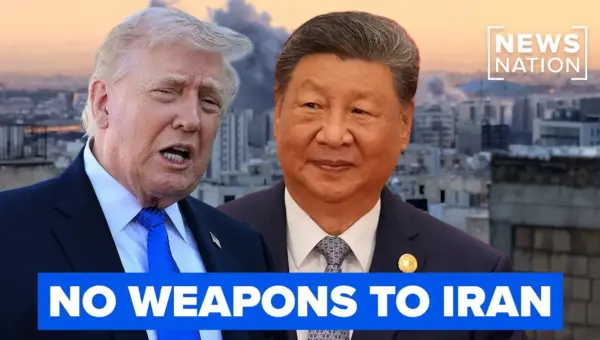
China Backs Strait of Hormuz Blockade, Halts Iran Arms
China has agreed not to supply weapons to Iran and is not opposing the U.S. naval blockade in the Strait of Hormuz. This significant development comes as President Trump prepares for a state visit to China and aims to pressure Iran by controlling vital shipping lanes. The move impacts global trade and reshapes regional power dynamics.

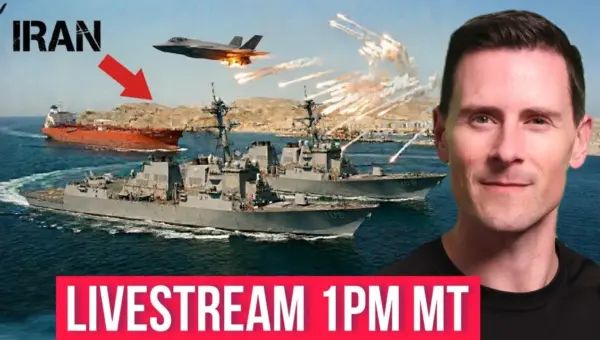
US Navy Blocks Iranian Ships in Hormuz
The U.S. Navy successfully blocked six Iranian-linked ships in the Strait of Hormuz using precise radio warnings. This action ensures global shipping lanes remain open amid rising regional tensions. President Trump has indicated a willingness for renewed peace talks.