Russia Faces New Internal, External Pressures
Russia faces escalating challenges on multiple fronts, from intensified internal sabotage efforts and mounting casualty figures in Ukraine to geopolitical shifts and global energy market instability. Analysts suggest Ukraine holds strategic advantages as Russia's demands remain maximalist.

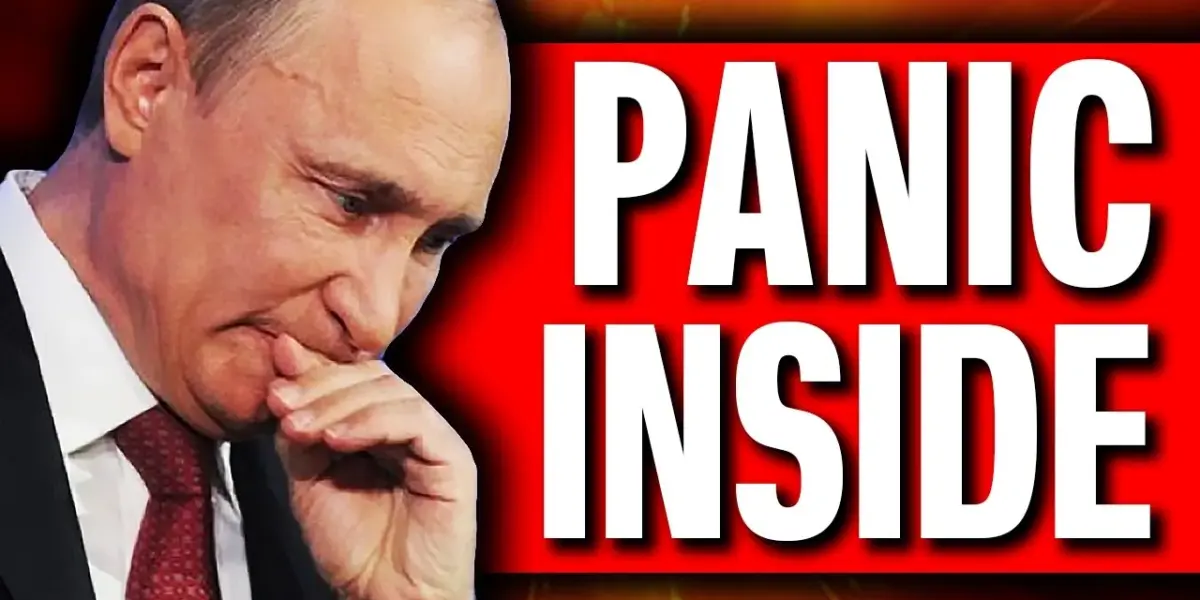
Russia Faces New Internal, External Pressures
New evidence suggests Russia is intensifying efforts to destabilize Ukraine from within, even as casualty figures mount and geopolitical shifts create new challenges for the Kremlin. This complex approach highlights a war being fought on multiple fronts, extending beyond traditional battlefield engagements.
Covert Operations Target Ukrainian Society
Disturbing reports indicate Russian intelligence is actively recruiting Ukrainians for covert operations. One case involved a 21-year-old approached through the online game ‘World of Tanks’ and then guided via Telegram by a Russian recruiter.
The individual was reportedly promised $1,200 and instructed to build and detonate explosive devices in his apartment building in Bucha. The incident, which resulted in two police officers being injured, is seen by Ukrainian officials as part of a broader pattern.
The Security Service of Ukraine (SBU) has identified over 800 Ukrainians recruited by Russia in the past two years. Targets included infrastructure and draft offices. This strategy aims to sow distrust within neighborhoods and social structures, demonstrating a shift towards internal sabotage alongside front-line combat.
The location of the Bucha incident is particularly symbolic. The town became known globally after over 400 bodies were found there following Russia’s occupation in early 2022. Now, the focus is on how Russian intelligence may be attempting to turn Ukrainians against each other from within.
Kremlin Leaders Harden Defenses Amidst Fears
Simultaneously, evidence suggests heightened personal security concerns for Russian leadership. Seven new towers equipped with Pantsir air defense systems have reportedly been installed around President Vladimir Putin’s private residence in Valdai, bringing the total to 27. Construction began on March 17th, the same day Russia’s defense ministry reported shooting down Ukrainian drones.
These layered defenses around Valdai resemble those protecting Moscow, suggesting the Kremlin perceives threats as increasingly personal and territorial. This internal security buildup, contrasted with covert recruitment efforts in places like Bucha, indicates the regime is aware of dangers from multiple directions.
Mounting Russian Casualties Undermine War Aims
Independent investigations reveal significant Russian military losses. Mediazona and BBC Russia, cited by independent sources, have confirmed the identities of at least 28,755 Russian military personnel lost in the war. This figure, based on publicly verifiable data like obituaries and social media posts, is likely an undercount.
The confirmed toll includes over 76,300 volunteers, 23,400 recruited prisoners, and 18,400 mobilized soldiers. This breakdown illustrates the structure of Russia’s war effort and its reliance on various manpower sources.
Ukrainian official estimates present an even starker picture. President Zelenskyy cited Ukrainian intelligence suggesting Russia’s internal assessments estimate 1,315,000 Russian personnel killed and wounded combined. Ukraine’s General Staff reported total Russian troop losses since February 2022 at over 1.3 million.
Analysts argue that these mounting personnel losses, coupled with Russia’s maximalist political goals—aiming for a subordinate, controlled Ukraine—make its objectives increasingly difficult to achieve. The pressure from the Ukrainian military is seen as the primary factor impacting Russia, rather than diplomatic efforts.
European Political Shift Could Strengthen Ukraine
A significant political development in Europe could impact support for Ukraine. The recent parliamentary election in Hungary saw Viktor Orbán’s 16-year rule end, with Peter Magyar’s party securing a supermajority. Orbán had frequently blocked European Union support for Ukraine.
Hungary had previously blocked a €90 billion European loan for Ukraine and used its veto power to delay EU accession talks for both Ukraine and Moldova. Germany now hopes this election result will allow the €90 billion loan to be released quickly.
While Magyar is expected to be more cooperative than Orbán, his exact stance on all pro-Ukrainian positions remains nuanced. Nevertheless, this shift could lead to a more favorable political climate for Ukraine in Europe, potentially narrowing Moscow’s influence within the EU.
Global Energy Market Instability Creates New Risks
Adding to the complex picture, a crisis in the Middle East has further destabilized the global energy market. Following failed negotiations with Iran and Pakistan, former U.S. President Donald Trump announced a blockade of the Strait of Hormuz. This waterway handles approximately 20% of the world’s oil.
This move raises immediate questions about the U.S. Sanctions waiver on Russian oil, which expired on April 11th. The blockade could tighten global oil supply and increase prices, potentially benefiting oil exporters like Russia. However, it also increases scrutiny on sanctions enforcement and global shipping patterns.
The market reaction was swift, with oil prices climbing and European stocks falling. This heightened uncertainty in the energy sector forces major exporters, including Russia, to recalculate their leverage. While higher prices might offer some benefit, the overall instability could also lead to tighter enforcement of sanctions and closer monitoring of alternative supply routes.
Strategic Implications
The confluence of these developments presents a complex challenge for Russia. The internal recruitment efforts and heightened personal security for leadership suggest a growing sense of vulnerability.
Simultaneously, mounting casualties and potential shifts in European support, coupled with global energy market volatility, indicate that Russia’s strategic calculus is being tested on multiple fronts. The war is increasingly characterized by a blend of conventional warfare, internal subversion, economic pressure, and geopolitical maneuvering, suggesting a protracted and unpredictable conflict ahead.
Source: Putin's Latest Move REVEALS What Kremlin FEARS THE MOST. (YouTube)

Related Articles

Trump’s Foreign Policy Lacks Clear Doctrine, Analysts Say
Analysts argue that the U.S. foreign policy under President Trump lacks a consistent doctrine, with actions driven more by personal interests than a strategic plan. This absence of a clear guiding principle creates global uncertainty and challenges the existing world order.


Russia’s Oil Exports Hit Hard By Drone Attacks
Russian oil export capacity has dropped by up to 40% due to Ukrainian drone attacks on key terminals. This disruption impacts Russia's government revenue and profit margins, despite global oil price increases. The conflict continues to influence global energy markets and economies.

Trump Warns of ‘Stone Age’ Attack on Iran’s Infrastructure
Former President Donald Trump has warned of severe military action against Iran, targeting its power and oil infrastructure if diplomacy fails. This could lead to significant global market volatility, particularly in oil prices, and impact various industries.