Iran Faces Financial Strain as US Tightens Sanctions
The United States is intensifying economic sanctions against Iran, forcing oil tankers to bypass Iranian ports. This strategy aims to cut off Iran's daily oil revenue of $175 million, a significant portion of which went to China. The move could leave Iran with limited economic options within a month.

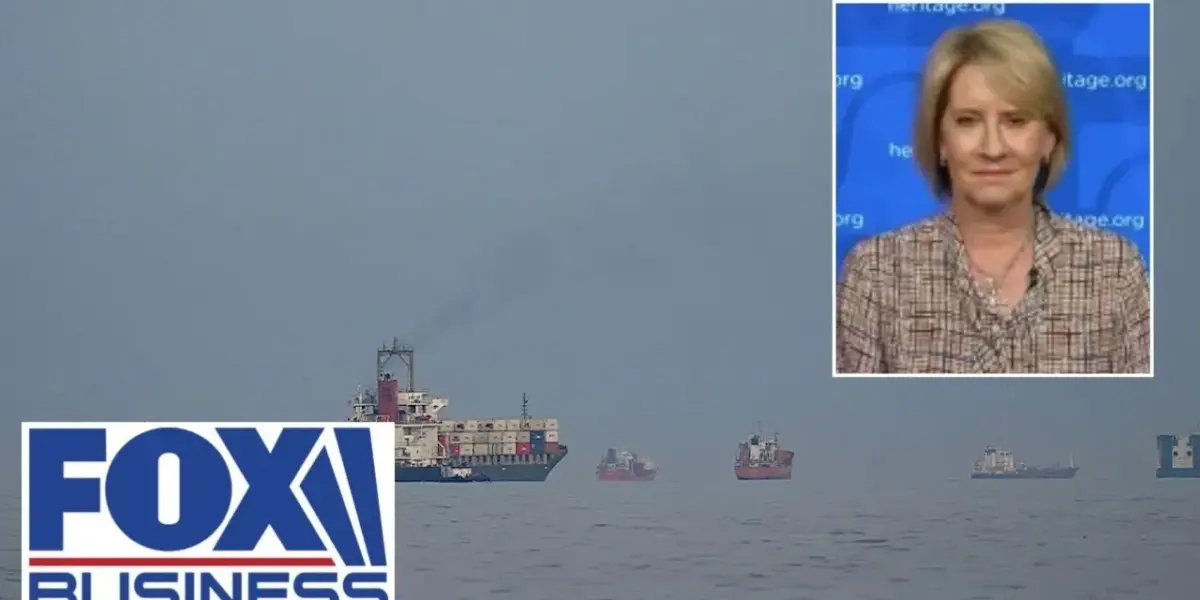
Iran’s Economy Reels Under Tightening US Sanctions
Iran’s economic lifeline is being squeezed as the United States intensifies its sanctions, forcing ships carrying Iranian oil to steer clear of Iranian ports. This strategy aims to cripple Iran’s ability to fund its activities and potentially bring it back to the negotiating table.
The Economic Blockade Explained
The United States, now the world’s largest energy producer, is using its economic power to influence Iran’s behavior. Instead of Iran controlling key shipping lanes like the Strait of Hormuz, the U.S. has effectively reversed any blockade. This means ships carrying cargo are now headed to non-Iranian ports, with allies receiving the goods instead of Iran.
According to former Deputy National Security Adviser Victoria Coates, this pressure could leave Iran with limited options. “If that goes on, Iran has about a month they can limp along economically,” Coates stated. “The two basic things are about all they can do.” Without the ability to export its oil, Iran’s economy could face severe difficulties.
China’s Role and Shifting Dynamics
China has been a major buyer of Iranian oil, reportedly purchasing 95% of it. Before the current conflict, Iran was the third-largest oil supplier to China, providing about 11% of the country’s oil needs. This significant trade relationship meant Iran was earning an estimated $175 million per day from oil exports.
However, President Trump’s administration has cut off this flow. Chinese officials have criticized the U.S. Blockade as dangerous and irresponsible, a natural reaction given their reliance on Iranian oil.
The U.S. Treasury Department has announced a new phase of sanctions, dubbed “Economic Fury,” to complement military operations. This initiative aims to prevent Iran from receiving any financial support.
Divergent Goals: US vs. Israel
While the U.S. and Israel share a common goal of preventing Iran from acquiring nuclear weapons, their broader objectives differ. The U.S. Primary mission has been to stop Iran from obtaining a nuclear weapon, an intolerable threat to American citizens. Once that goal is achieved, the U.S. may conclude its involvement, though it has expressed a desire for new leadership in Tehran.
Israel, a much smaller nation located near Iran, views regime change as a more critical objective. This difference in national interests, however, does not necessarily create conflict between the two allies. They have worked together effectively in the past, and these differing perspectives are seen as a natural outcome of sovereign nations with distinct interests.
Market Impact and Investor Considerations
The tightening sanctions on Iran have significant implications for the global energy market. Iran’s reduced oil exports can lead to fluctuations in oil prices. Investors should monitor the effectiveness of these sanctions and Iran’s response.
The U.S. Strategy focuses on economic pressure as a second front to military actions. By cutting off Iran’s oil revenue, the U.S. Aims to limit its resources for potentially destabilizing activities. The success of these sanctions could lead to increased instability in the region but also potentially de-escalate tensions if Iran is forced to negotiate.
For investors, understanding these geopolitical dynamics is crucial. The energy sector, particularly oil and gas, can be sensitive to supply disruptions and international relations.
Companies involved in Middle Eastern trade or energy production might experience volatility. The broader impact on global trade routes and economic stability should be considered.
The U.S. has previously reduced Iran’s oil exports to around 200,000 barrels per day. The current push aims to enforce sanctions strictly and prevent Iran from profiting, potentially pushing them towards renegotiation of a deal. The effectiveness of these measures will shape Iran’s economic future and its role on the global stage.
Source: These ships are heading to non-Iranian ports, former US official says (YouTube)

Related Articles


Trump Eyes Iran Deal; Software Stocks Draw Investor Interest
Former President Donald Trump announced potential progress on an Iran deal and ceasefire talks, while the tech market shows signs of cooling after a strong rally. Investor Michael Bur's recent acquisitions in software stocks like Adobe and Salesforce are also drawing attention.
Gas Prices May Hit $3 by Labor Day
Scott Bessent predicts gas prices could fall to $3 per gallon by Labor Day, between June 20th and September 20th. However, supply chain disruptions, particularly in the Strait of Hormuz, present significant challenges. Mike Summers of the Petroleum Institute cautions that peak summer demand could keep prices higher, especially around the Fourth of July.


Ukraine Strikes Deep: Russia Reels From Drone Attacks
Ukrainian drones have successfully struck Russian port facilities deep within Russia, highlighting air defense vulnerabilities and causing panic on Russian state television. The attacks aim to disrupt Russia's war economy, while Moscow struggles with internal internet restrictions and continues its propaganda efforts.