Race Dictates US Immigration Policy, Critics Claim
Critics argue the Trump administration's immigration policies are racially motivated, citing actions like removing TPS from minority groups and favoring certain refugees. Supporters claim policies focus on national identity and economic benefit, not race. This debate reflects historical tensions over who belongs in America.

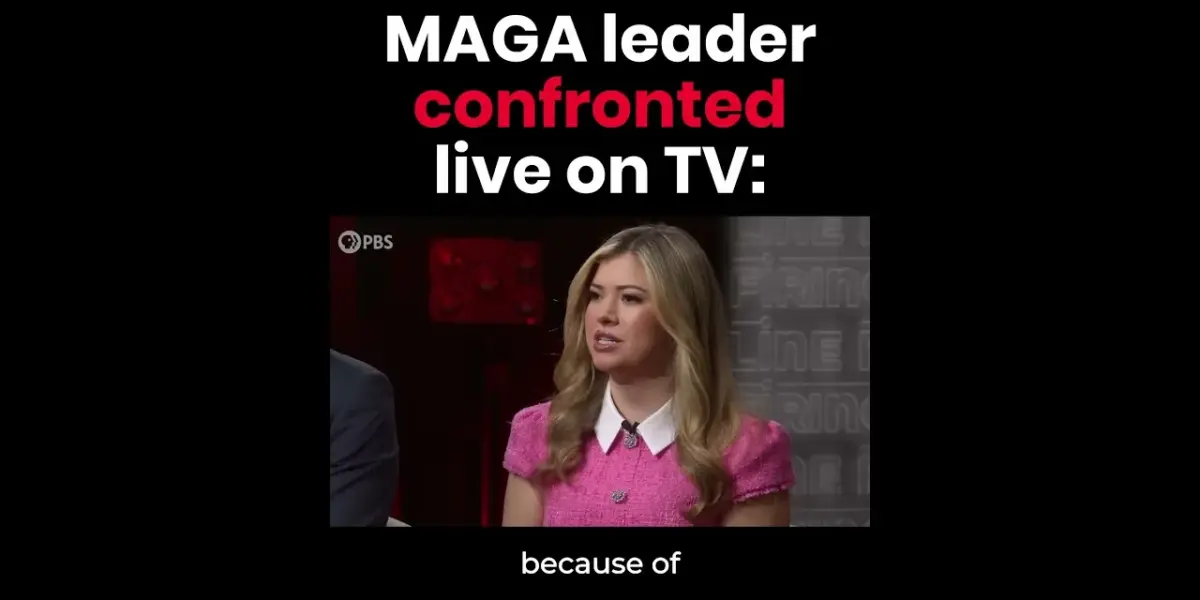
Immigration Under Scrutiny: A Racial Lens?
The Trump administration’s approach to immigration has sparked heated debate. Critics argue that policies are driven by racial bias, aiming for a less diverse nation. They point to specific actions as evidence of this perspective. These concerns raise important questions about fairness and national identity in America’s immigration system.
Defining American Identity
Supporters of certain immigration policies frame their arguments differently. They often speak of populism and economic nationalism. The idea is to increase the value of being an American citizen. This viewpoint suggests that the focus should be on what benefits current citizens most. It’s about protecting and enhancing the lives of the American people, rather than concerns about race.
This perspective highlights a core disagreement: whether immigration policy should prioritize national identity as defined by its supporters or embrace a more multicultural vision of America. The debate centers on who gets to define what it means to be American and how that definition should shape who is welcomed into the country.
Evidence of Racial Bias Alleged
Those who believe race plays a role in immigration policy cite several examples. They mention the removal of Temporary Protected Status (TPS) from various groups. These groups are often from minority backgrounds. Another point raised is the differential treatment of refugees. For instance, refugees from South Africa are reportedly being allowed in, while others from countries with predominantly black populations or certain appearances are not.
The guidance of this immigration policy is absolutely racial.
This alleged pattern suggests a deliberate effort to favor certain groups over others based on their origin or appearance. The influence of key figures, like Steven Miller, is often highlighted as central to shaping these policies. His guidance is seen by critics as a direct reflection of a racially motivated agenda.
Contrasting Views on Policy Goals
The administration and its supporters maintain that their policies are not racially motivated. Instead, they argue that these measures are about national security and economic well-being. They believe in controlling borders and ensuring that immigrants can contribute positively to American society. The focus, they say, is on national interest and the rule of law, not on the race of potential immigrants.
However, opponents find this explanation unconvincing. They see the exclusion of certain nationalities and the preference for others as clear indicators of racial bias. The differing interpretations reveal a deep divide on how immigration policy should be crafted and what values it should uphold. This conflict underscores the challenge of balancing national interests with principles of equality and inclusion.
Why This Matters
The debate over race and immigration policy is crucial for understanding the direction of the United States. Policies that are perceived as discriminatory can have lasting impacts on communities and the nation’s global standing. It affects how people see themselves and their place in American society. It also influences international relations and how the U.S. is viewed by the rest of the world.
Implications and Future Outlook
If immigration policies are indeed being shaped by racial considerations, the implications are far-reaching. It could lead to increased social division within the U.S. and damage its reputation as a welcoming nation. Future policy decisions will likely continue to be a battleground between those advocating for stricter, identity-focused immigration and those pushing for more inclusive and diverse approaches.
The trend towards questioning and scrutinizing immigration policies through a racial lens is likely to continue. As demographic changes accelerate, the conversation about who belongs in America will become even more prominent. How these issues are addressed will shape the future identity and character of the nation for generations to come.
Historical Context
Concerns about race influencing U.S. immigration policy are not new. Throughout American history, debates have raged over who should be allowed to enter the country. Laws like the Chinese Exclusion Act of 1882 and the Immigration Act of 1917, which established quotas based on national origin, show a historical pattern of using immigration as a tool to maintain certain racial or ethnic demographics.
These historical examples provide a backdrop for understanding current debates. They remind us that the tension between national identity, economic concerns, and racial prejudice has long been a part of the American immigration story. Understanding this history helps explain why current policy debates often touch upon such sensitive and deeply rooted issues.
Source: She Got Dismantled 🔥 (YouTube)

Related Articles


AG’s Shocking Defense: Trump’s DOJ is a ‘Good Thing’!
Acting Attorney General Todd Blanch's comments suggest the Department of Justice should openly serve the president's political agenda. This radical departure from tradition raises alarms about the politicization of justice and its impact on democracy.


US Imposes Iran Port Blockade; Peace Talks Loom Amid Tensions
U.S. forces have fully implemented a blockade on Iranian ports, halting trade amid escalating Middle East tensions. Peace talks between the U.S. and Iran are reportedly on the horizon, though Iran's nuclear program remains a key obstacle. Meanwhile, historic direct talks between Israel and Lebanon took place in Washington, marking a significant diplomatic step.

Supreme Court’s Legitimacy Tested: A Look Inside
The Supreme Court is increasingly seen as the "last branch standing" to resolve national disputes, a role that strains its legitimacy. Author Sarah Isker's new book, 'Last Branch Standing,' examines the court's internal dynamics and its complex relationship with public opinion and other branches of government.