China Slams US Blockade of Iran as ‘Dangerous’
China has strongly condemned the U.S. blockade of Iranian ports as "dangerous and irresponsible," warning it will escalate regional tensions. The move comes as diplomatic efforts continue, with potential new talks between the U.S. and Iran being considered amid a looming ceasefire deadline. Meanwhile, high-level talks are also underway between the U.S., Israel, and Lebanon.

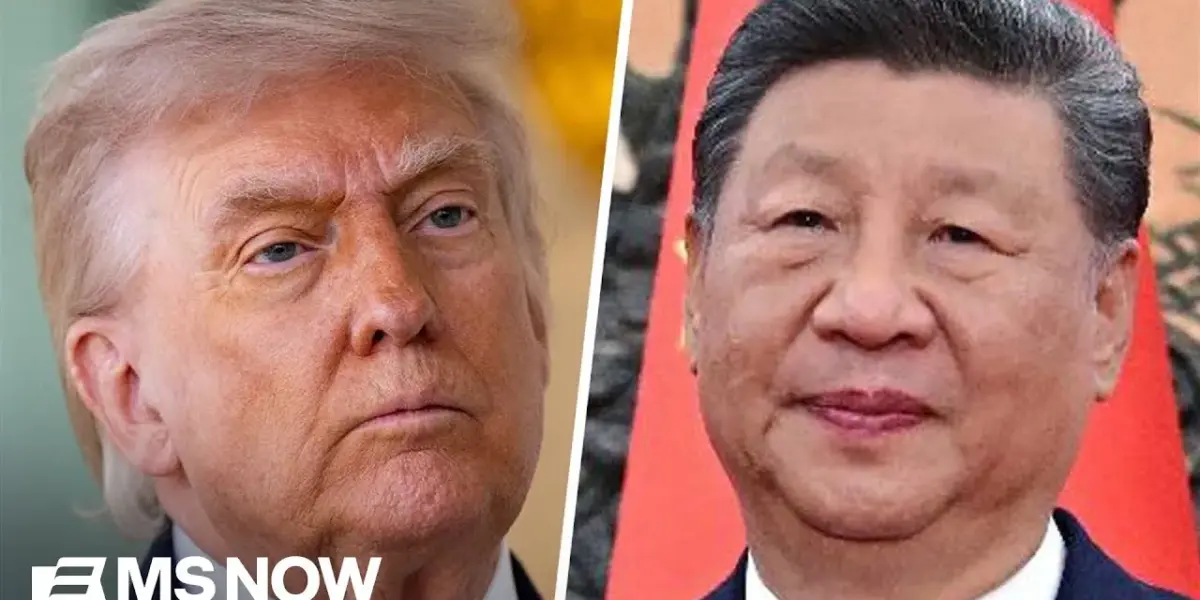
Global Tensions Rise as US Imposes Port Blockade on Iran
In a significant escalation of Middle Eastern tensions, the United States has implemented a blockade of Iranian ports, targeting the nation’s shipping through the vital Strait of Hormuz. This move, aimed at applying economic pressure on Tehran, has sparked international criticism, with key global players like China, Saudi Arabia, and France calling for an end to the blockade and a return to diplomatic negotiations. The blockade began 24 hours ago, creating a new focal point in a region already grappling with complex geopolitical challenges.
China Leads International Condemnation of US Action
China’s Foreign Ministry was among the first to voice strong opposition, labeling the U.S. blockade as “dangerous and irresponsible.” Beijing warned that the action would only serve to aggravate existing tensions, highlighting a growing rift between major world powers over the U.S. approach to Iran. This international pushback underscores the critical importance of the Strait of Hormuz, a narrow waterway through which a significant portion of the world’s oil supply passes, making any disruption a matter of global economic concern.
Diplomacy Continues Amidst Blockade Pressure
Despite the heightened pressure from the U.S. blockade, diplomatic channels remain open. Reports indicate ongoing communication between the United States and Iran, with a potential second round of in-person talks being considered. These discussions follow a recent meeting in Pakistan that concluded without a formal agreement. The urgency for a resolution is amplified by the impending expiration of a two-week ceasefire, set to end at midnight on Monday, the 21st. This deadline is expected to intensify pressure on both sides to reach a compromise.
Key Issues on the Negotiating Table
Experts suggest that while the blockade is a prominent issue, the core of the ongoing negotiations likely centers on Iran’s nuclear program. The U.S. administration has reportedly proposed a 20-year moratorium on uranium enrichment, a significant shift from previous stances that called for no enrichment at all. Iran, however, is reportedly seeking a shorter, five-year pause. Another critical point of discussion involves Iran’s stockpile of highly enriched uranium, estimated at 60 percent. Finding common ground on these complex nuclear issues will require substantial concessions from both the U.S. and Iran, with the goal of allowing each side to feel they have achieved a victory.
US Navy Operationalizing the Blockade
From an operational standpoint, U.S. naval forces are positioned to enforce the blockade. While direct confrontation at Iranian ports is not expected, the U.S. Navy plans to monitor and interdict vessels attempting to enter or exit Iranian ports or coastal waters. This will likely be conducted from the Gulf of Oman, using surveillance assets to identify and stop ships. The objective is to prevent Iranian cargo from leaving and to halt goods from reaching Iranian ports. While the blockade is unlikely to be perfect, the aim is to make it an effective tool for economic pressure.
Vice President’s Stance: ‘Economic Terrorism’
Vice President Vance characterized Iran’s actions as “active economic terrorism against the entire world.” He argued that if Iran engages in such practices, the U.S. will reciprocate by preventing Iranian ships from sailing. This perspective frames the blockade as a response to Iranian provocations, asserting that “two can play at that game.” The administration believes this tactic, aimed at denying Iran access to hard currency and hindering its oil exports, could potentially fracture the regime or soften its negotiating stance.
Historical Precedent and Endurance Test
However, historical precedent suggests that such tactics may not yield immediate results. In 2020, Iran’s oil production dropped significantly, yet the country managed to endure. This raises the question of who can withstand more pain: the U.S. and the global economy, or Iran. The effectiveness of the blockade will likely be measured over time, testing the resilience of both sides.
High-Level Talks Between Israel and Lebanon
In parallel to the Iran discussions, Secretary of State Marco Rubio is leading high-level ceasefire talks between the United States, Israel, and Lebanon. These meetings represent the most significant diplomatic engagement between these nations in over three decades. Despite the lack of formal recognition between Lebanon and Israel and ongoing tensions, particularly involving Hezbollah, these talks are seen as a crucial step forward. While immediate breakthroughs are not anticipated, the discussions, attended by ambassadors and Secretary Rubio, could lay the groundwork for more substantial negotiations in the future.
No Military Solution in the Middle East
Echoing the sentiment that diplomacy is paramount, a spokesperson for the U.N. Secretary-General stated that there is clearly no military solution in the Middle East at present. This assessment aligns with the view that while military actions like the blockade can be instruments of pressure, lasting resolutions to conflicts must ultimately be achieved through negotiation and diplomacy at the table.
Source: China: U.S. blockade is 'dangerous and irresponsible' (YouTube)

Related Articles

US Blockade of Iran Risks War: Is This the New Normal?
A US blockade of Iranian oil shipments could escalate into a full-blown act of war, warns an analysis. This move risks not only regional conflict but also a significant spike in global oil prices, potentially reaching $120 per barrel. The implications for international stability and the global economy are profound.
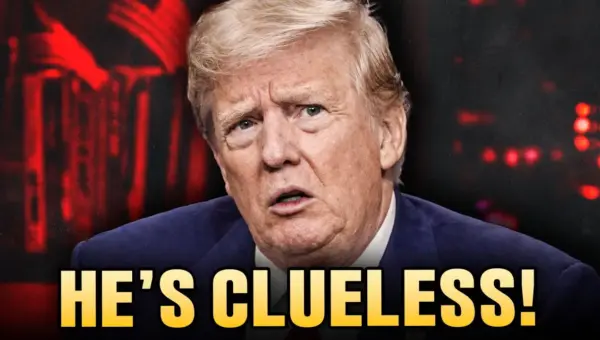
Nation’s Focus Shifts: Birthday Bash Overshadows Failed Iran Talks
While Vice President JD Vance announced the failure of US-Iran talks, the White House rapid response team focused on promoting Donald Trump's 80th birthday party. This decision raises questions about the priorities and use of public resources during critical international moments.
Trump’s Iran Strategy Crumbles Under Pressure
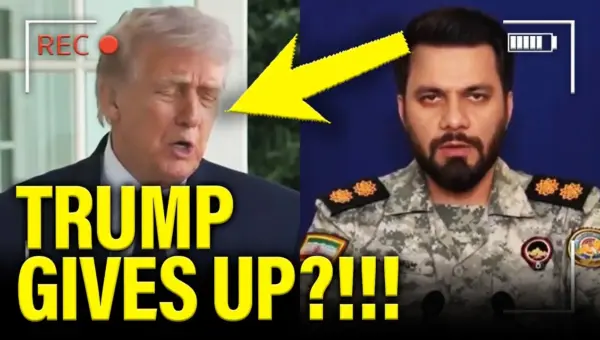
Donald Trump's aggressive stance on Iran, including a threatened naval blockade, has reportedly backfired. Critics argue that Iran has mocked U.S. efforts and is now in a stronger negotiating position, potentially securing a deal more favorable than previous agreements. The situation raises broader concerns about U.S. foreign policy effectiveness and global standing.