US Warships Blockade Iran, Triggering Global Economic Fears
U.S. warships have initiated a partial blockade of Iranian ports near the Strait of Hormuz, aiming to pressure Iran by cutting off oil exports. This action has drawn strong criticism from China and sparked protests in Tehran, with Iran calling it piracy. The blockade is creating global economic concerns, affecting oil prices and Wall Street, while also fueling an unlikely feud between President Trump and the Pope over war stances. Meanwhile, two U.S. lawmakers are resigning amid misconduct allegations, and the nation braces for severe weather and record heat.

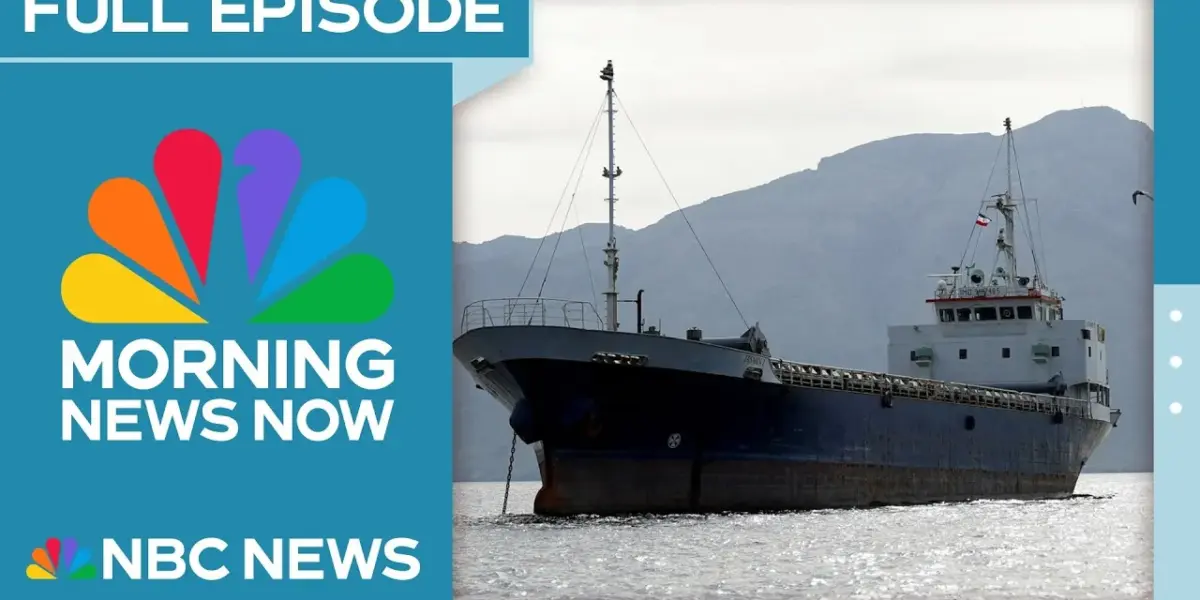
U.S. Navy Enforces Port Blockade on Iran
U.S. warships are currently patrolling near the Strait of Hormuz, enforcing a partial blockade of Iranian ports. The move, intended to pressure Iran into a peace deal by cutting off its oil exports, has sparked protests in Tehran, with the government labeling the action as piracy. U.S. officials stated that Iran’s military capabilities, including its navy, air force, and radar systems, have been significantly degraded.
Global Economic Ripples and China’s Criticism
The U.S. blockade is impacting global markets, from gas prices to Wall Street. China, a major importer of Iranian oil, has issued its strongest criticism yet, calling the blockade “dangerous and irresponsible.” This action adds another layer of complication to an already strained global economy. While the U.S. aims to free up global trade by forcing Iran to unblock the Strait of Hormuz, the blockade itself could limit the supply of Iranian oil on the global stage, potentially driving up prices and further snarling trade.
Ceasefire Talks and Escalating Tensions
The U.S. blockade followed failed long-term ceasefire talks over the weekend. A two-week ceasefire is still technically in place but is showing signs of strain. A key point of contention is Lebanon, with Pakistan mediating talks that included Lebanon in the ceasefire, while Israel maintains it is a separate issue. Direct, low-level negotiations between Lebanese and Israeli officials are now occurring in Washington D.C. However, as long as the conflict in Lebanon involving Hezbollah continues, instability to the broader ceasefire is expected.
Market Volatility and Gas Prices
Traders are reacting rapidly to the unfolding events. The primary question is whether the impact on oil supply will be temporary or sustained. While oil prices dipped overnight, traffic through the Strait of Hormuz remains nearly at a standstill. For consumers, gas prices are a major concern. Despite some fluctuations, gas prices remain significantly above $4 a gallon nationally. This is largely because oil prices are still trading near $100 a barrel, a substantial increase from pre-war levels. The high cost of oil also affects diesel, shipping, air travel, and food prices.
Wall Street’s Resilience Amidst Geopolitical Turmoil
Surprisingly, Wall Street has shown resilience. The stock market ended the day strong, with the S&P 500 erasing war-related losses and turning positive for the year. This performance is attributed to several factors. Investors likely view the blockade as not a worst-case scenario, especially compared to previous threats. They also tend to look past geopolitical turmoil, focusing on future recovery, similar to responses during the COVID-19 pandemic and the invasion of Ukraine. Strong corporate earnings also continue to support the market, as investors anticipate potential resolutions and sustained profitability.
President Trump and the Pope Clash Over War Stance
The conflict has also ignited an unusual feud between President Trump and the Pope. President Trump has refused to apologize for his social media criticism of Pope Francis, who has spoken out against the war. The Pope, currently on an Africa tour, reiterated his commitment to speaking against war and promoting peace. He emphasized the importance of respecting human dignity and addressing the pain of others to avoid misunderstandings and conflicts, particularly in the face of international law violations and neocolonial tendencies.
Congressional Resignations Amidst Allegations
Two lawmakers are stepping down following backlash over sexual misconduct allegations. Republican Representative Tony Gonzalez announced his retirement amid an investigation by the House Ethics Committee into an affair with a former aide who later died by suicide. Democratic Congressman Eric Swalwell also announced his resignation. He faced allegations of sexual assault and misconduct, which had previously forced him to end his campaign for California Governor. Swalwell denied many allegations but acknowledged making mistakes and stated he needed to resign to avoid distracting his constituents.
Capitol Hill’s Busy Agenda
Lawmakers are returning to Washington with a packed agenda. Key issues include funding the Department of Homeland Security, which has been partially shut down for a record 59 days due to a stalemate over immigration enforcement. There is also a potential vote to curb President Trump’s authority on military action against Iran. Additionally, a War Powers vote to end the Iraq War is expected, with Senate Democrats planning to force a vote. The reauthorization of FISA’s Section 702, which allows warrantless surveillance of foreigners abroad, is also on the horizon, sparking debate over privacy protections.
AI CEO Targeted in Molotov Cocktail Attack
In a concerning development, Daniel Moreno Garcia, 20, has been arrested and charged with attempted murder in connection with a Molotov cocktail attack on the home of OpenAI CEO Sam Altman. Authorities believe the attack was planned and targeted. Garcia allegedly traveled from Texas to California, hurled a flaming Molotov cocktail at Altman’s residence, and later attempted to damage OpenAI’s San Francisco headquarters. Investigators found a document at the suspect’s residence expressing views against artificial intelligence and AI executives. Altman stated he hoped an image of his family might deter future attacks.
Severe Weather and Record Heat Across the US
Millions are facing severe weather risks today, with a significant frontal system stretching from New England to New Mexico. An enhanced risk of hail, tornadoes, and strong winds is centered around Cedar Rapids and Chicago. This severe weather threat is expected to continue into tomorrow. Simultaneously, much of the country is experiencing potentially record-breaking heat. Temperatures are rising into the 80s and 90s across various regions, with many cities flirting with or expected to break daily temperature records. Fire weather alerts are also in effect for parts of the Midwest due to warm, dry, and windy conditions.
Source: Morning News NOW Full Episode – April 14 (YouTube)

Related Articles

Trump’s Risky Blockade & Divine Images: A Troubled Presidency
President Trump's naval blockade of Iran is a high-risk gamble, potentially escalating regional conflict. Meanwhile, controversial AI imagery and legal battles reveal fractures in his support base and a strained relationship with the media.

US Policy Shift on Hormuz Stirs Global Economic Fears
A significant shift in U.S. policy regarding the Strait of Hormuz has triggered global economic concerns, impacting energy prices worldwide. The move, alongside ongoing conflicts and domestic political challenges, raises questions about America's international influence and economic stability.
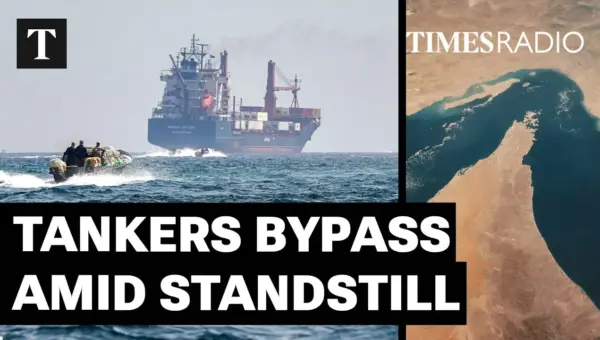
Strait of Hormuz Traffic Collapses Amid Blockade
The Strait of Hormuz has become a no-go zone due to a US naval blockade, causing global shipping traffic to collapse. A sanctioned tanker's attempt to transit the strait highlights the growing crisis, which threatens severe oil shortages and broader economic disruptions worldwide.