Elias Eyes Top Justice Role: A New Era for Accountability?
Lawyer Marc Elias discussed the possibility of becoming the next Attorney General, advocating for a "fighter" approach focused on future accountability. He argued for a more transparent and aggressive pursuit of justice, particularly concerning alleged criminality at the highest levels of government, and emphasized the need to restore public faith in the rule of law.

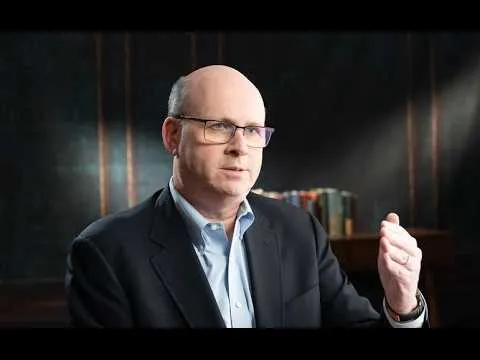
Marc Elias Discusses Potential Attorney General Role
The question of who might lead the Department of Justice in a future Democratic administration is sparking significant discussion. Lawyer Marc Elias recently addressed speculation about him becoming the next Attorney General. He suggested that if a Democratic president offered him the position, Republicans would react strongly.
Elias believes the next Attorney General must be a “fighter” focused on the future, not on restoring past norms or seeking reconciliation. He argued that Democrats have not engaged in “lawfare” and that the justice system has been used unfairly by one side. Therefore, he stated, the role requires someone with new energy and a fresh approach.
Rethinking Prosecution Strategies
When asked about potential priorities, Elias pointed to the January 6th prosecutions. He explained the common prosecutorial tactic of starting with lower-level individuals and working up to the “big boss.” However, he argued this method wouldn’t have effectively reached Donald Trump and his inner circle.
Elias stressed that the next Department of Justice should focus on widespread criminality at the top, regardless of how it looks politically. He stated that the focus should not be on starting at the bottom and running out of time years later. The next administration, he believes, cannot simply say “bygones are bygones.” Instead, setting a new tone for democracy requires aggressively prosecuting those who committed crimes during the previous term.
This is not an ideal set of circumstances. And, you know, it would be better if we had not ever had Donald Trump as the president, but the only way we’re going to course correct into a future in which politicians believe that the rule of law applies, that presidents understand that they have certain obligations when they take the oath of office, that they abide by uh this the laws that are passed, that they see that they are faithfully executed. The only way that’s going to happen is if there is accountability.
Transparency and Accountability
Elias emphasized that accountability should be pursued without unfairness or partisan bias. He suggested that transparency is key, rather than trying to appear neutral. He feels it’s better to openly state that the Justice Department is reviewing the actions of a previous administration if it was, in his view, a “criminal enterprise.” He believes this honesty builds trust, unlike pretending an administration was normal when it was not.
He argued that institutions like the media, universities, and law firms, along with government agencies, need to acknowledge the reality of threats facing the country and act accordingly. Elias noted that people have lost confidence that the rule of law applies equally to everyone, and restoring that faith requires accountability.
The Role of Private Practice
The discussion also touched on the role of private practice versus public prosecution. Elias highlighted that historically, private lawyers and civil rights organizations have often taken on challenging cases that the government might avoid. He cited Thurgood Marshall and lawyers involved in the Civil Rights Movement as examples of those who took “big swings” and won important cases.
However, Elias believes this era must change. He stated that if the Department of Justice isn’t bringing cases protecting voting rights and democracy, and even losing some, it means they aren’t trying hard enough. He feels the government should be pursuing numerous voting rights cases with aggressive legal theories.
Moving Forward
Elias stated that he doesn’t necessarily need to be Attorney General himself. He believes many people could fill that role with the right mindset. He is content litigating daily for voters and individuals. However, he firmly believes the next Attorney General must move away from the approach seen under Merrick Garland, where avoiding the appearance of politicization led to inaction.
He argued that Democrats have been too hesitant, fearing Republican criticism. Elias used the analogy that Republicans will criticize any action, so it’s better to pursue policies that help the most people without trying to avoid backlash. He concluded that the fear of losing cases should not prevent the Justice Department from bringing them, especially when the stakes for democracy are so high.
Why This Matters
Marc Elias’s comments raise important questions about the future direction of the Department of Justice and the pursuit of accountability for actions taken during a presidential term. His perspective suggests a potential shift away from a more cautious, norm-focused approach towards a more assertive stance on enforcing the rule of law and protecting democratic institutions.
Implications and Future Outlook
If a future Attorney General adopts Elias’s proposed strategy, it could lead to a more aggressive investigation and prosecution of alleged wrongdoings by former government officials. This approach prioritizes accountability and aims to restore public faith in the justice system’s equal application. However, it also risks further political polarization and accusations of partisan overreach, regardless of the intent.
The emphasis on transparency, as Elias suggests, could be crucial. By openly communicating the reasons for investigations, a Justice Department might be able to build greater public trust, even amidst criticism. The challenge lies in balancing the pursuit of justice with the preservation of public confidence in the impartiality of the legal process.
Historical Context
Throughout American history, there have been debates about how to handle accountability for those in power. Following periods of significant political upheaval or perceived corruption, questions arise about whether and how to prosecute former officials. The current discussion echoes past debates about the role of the Justice Department in a highly divided political climate.
Elias’s reference to past civil rights litigation highlights the historical role of legal challenges in pushing societal boundaries and holding power accountable. His argument is that the Department of Justice itself should be more willing to take on such significant cases, particularly those related to voting rights and democratic integrity.
Source: Marc Elias on becoming the next attorney general 👀 (YouTube)

Related Articles

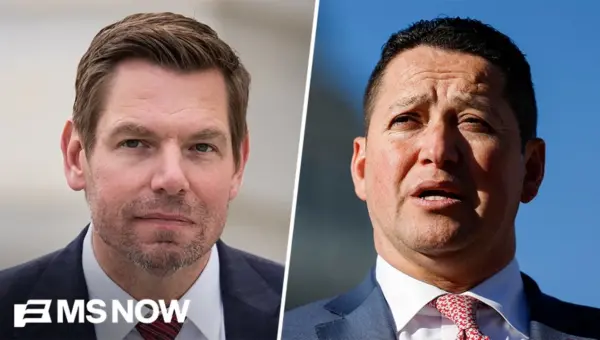
Congress rocked: Swalwell resigns, Gonzales retires amid scandals
Two U.S. Congress members, Eric Swalwell and Tony Gonzales, are exiting their seats amid serious misconduct allegations. Swalwell resigned following sexual assault accusations, which he denies, while Gonzales is retiring after admitting to an affair with a staffer who later died by suicide. These departures raise questions about accountability and culture within Congress.

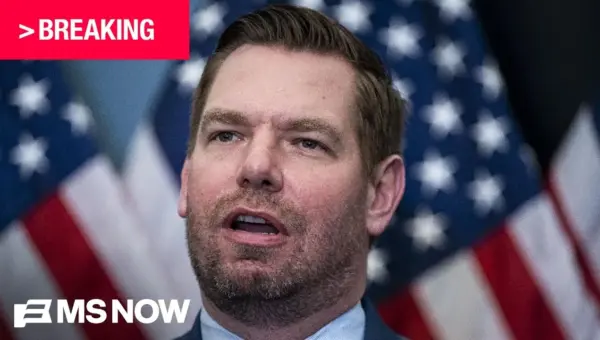
House Ethics Committee Probes Rep. Eric Swalwell Amid Scandal
U.S. Representative Eric Swalwell is now under investigation by the House Ethics Committee following serious allegations. The Manhattan DA's office and Alameda County are also reportedly looking into the matter. This adds pressure to Swalwell's political future and raises broader questions about ethics in Congress.

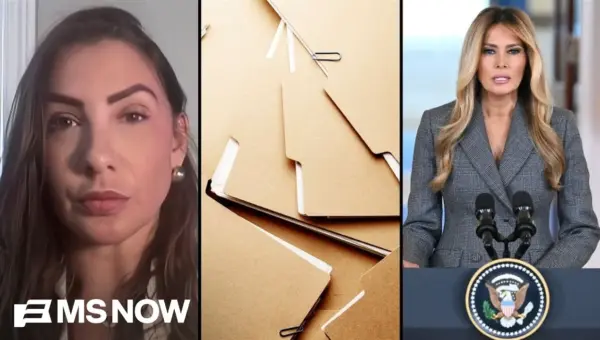
Epstein Survivor Questions First Lady’s Call for Public Testimony
Epstein survivor Marina Lacerda questions First Lady Melania Trump's call for public testimony, calling it a "deflection of responsibility." Lacerda argues that survivors have already shared their stories and that the truth lies within the existing files. She demands investigations into the prominent names linked to Epstein, not further trauma for victims.