Iran’s Secret Subs Threaten Strait of Hormuz
Iran has reportedly deployed its secret Ghadir-class submarines into the Strait of Hormuz, raising fears of attacks on shipping. The U.S. has vowed to sink these vessels if they pose a threat. This move escalates regional tensions amid stalled nuclear talks and ongoing conflicts.

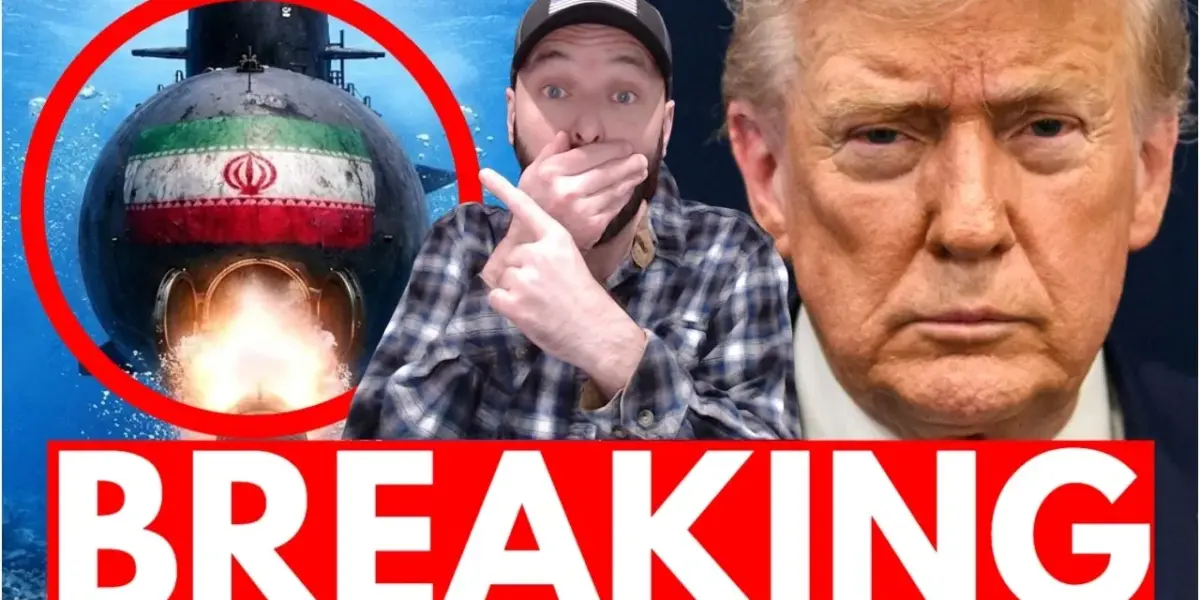
Iran’s Secret Subs Threaten Strait of Hormuz
Reports suggest Iran has deployed its secret Ghadir-class submarines into the Strait of Hormuz. These small vessels are designed for shallow waters and could pose a threat to shipping. The United States has stated it would sink these submarines if they target ships.
Understanding the Ghadir-Class Submarines
Iran reportedly has 20 Ghadir-class submarines. These are small, specialized craft built for the Persian Gulf’s shallow waters. They are equipped with torpedoes and can launch anti-ship missiles like the Valar and Hoot. Some reports indicate they can also lay naval mines and retrieve special forces divers.
While not large or long-range, these submarines are described as maneuverable. They can sit submerged and undetected, waiting for targets. The Ghadir submarines are believed to carry only a few torpedoes or missiles, suggesting Iran might use them in large numbers to overwhelm defenses.
It is unclear how many of these submarines the U.S. may have destroyed in past conflicts. However, the report indicates that a significant number remain operational and have now been deployed.
The Strait of Hormuz: A Vital Waterway
The Strait of Hormuz is a critical chokepoint for global oil transport. Around 30% of the world’s seaborne oil trade passes through it. Iran has previously threatened to disrupt shipping in this area.
Recently, ships carrying oil but not originating from Iranian ports were allowed to pass through. The U.S. naval blockade specifically targets vessels leaving Iranian ports. This distinction is important for understanding the current situation.
Recent Incidents and Diplomatic Tensions
On April 7th, a bulk carrier southeast of Oman was struck by two unidentified projectiles, causing a fire. The Pakistani Navy responded to assist the vessel. This incident occurred around the same time as a ceasefire was announced, highlighting ongoing instability.
Negotiations between Iran and the U.S. regarding Iran’s nuclear program have been ongoing. Teams were expected to meet in Islamabad for further talks. However, discussions have stalled over enrichment levels. The U.S. proposed a 20-year pause on uranium enrichment, while Iran offered a five-year pause.
Vice President JD Vance expressed doubt that the Iranian negotiating team had the authority to make a deal. He suggested that Iran’s military, specifically the IRGC, controls the country and may not want an agreement. Vance stated that the ball is in Iran’s court to make concessions.
Broader Geopolitical Context
There are also reports of unexplained explosions in Iran, adding to the regional tensions. Meanwhile, China has denied reports that it is supplying air defense missiles to Iran. The U.S. has threatened tariffs on countries providing weapons to Iran.
The U.S. believes Russia and China are actively helping Iran, potentially providing intelligence and weapons. This is seen as part of a broader alignment between these nations against U.S. interests.
Separately, strikes are ongoing in Lebanon, with footage showing Israeli jets dropping flares. This indicates continued military activity in the wider region.
Why This Matters
The deployment of Iran’s secret submarines into the Strait of Hormuz raises the stakes significantly. If these submarines attack any ships, the U.S. has made it clear it will respond forcefully. This could lead to a direct military confrontation.
The situation highlights the complex geopolitical dynamics in the Middle East. Tensions between Iran and the U.S. remain high, with nuclear negotiations stalled. Regional conflicts continue, involving multiple international actors.
Future Outlook
The coming days will be crucial in determining how this situation unfolds. The commitment of the U.S. to enforcing the blockade will be tested if Iran attempts to interfere with shipping. Any aggressive action by Iran’s submarines could trigger a significant escalation.
The outcome of these events will depend on decisions made by leaders in Iran, the U.S., and other global powers. The potential for miscalculation is high in this volatile environment.
Source: Iran DEPLOYS Secret Subs To BUST Blockade – Trump Must SINK Them (YouTube)

Related Articles
Markets Defy War Fears as Oil Prices Fluctuate
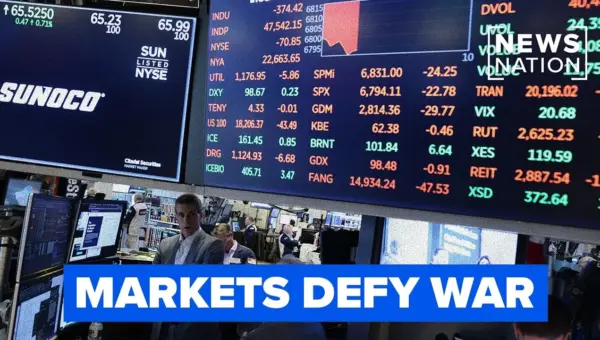
Wall Street rallied and erased Iran war losses as oil prices fluctuated near $100 a barrel. Despite market gains, Americans face higher gas prices, with a U.S. blockade of the Strait of Hormuz potentially worsening inflation. The Producer Price Index report is closely watched for future inflation signals.
US Naval Blockade Forces Iran to Negotiate
The U.S. is using a naval blockade to force Iran to negotiate, targeting oil tankers to disrupt Tehran's revenue. This strategy aims to secure freedom of navigation through the Strait of Hormuz and prevent Iran from developing nuclear weapons. Investors should watch regional stability and oil prices.
Trump Ultimatum: No Deal Without Nuclear Ban
President Trump has issued an ultimatum in Iran negotiations, stating no deal will be reached if Iran pursues nuclear weapons. Meanwhile, domestic policy debates continue over DHS funding, with a reconciliation process being considered for various legislative items. Positive economic news includes a significant rise in average tax refunds, boosting consumer spending.