Trump Ends Paid Internships, Reverting to Unpaid Labor at White House
Donald Trump has reversed a Biden-era policy, ending pay for White House interns. This decision brings back unpaid labor, raising concerns about financial accessibility and the true value of the experience gained in a potentially chaotic environment.

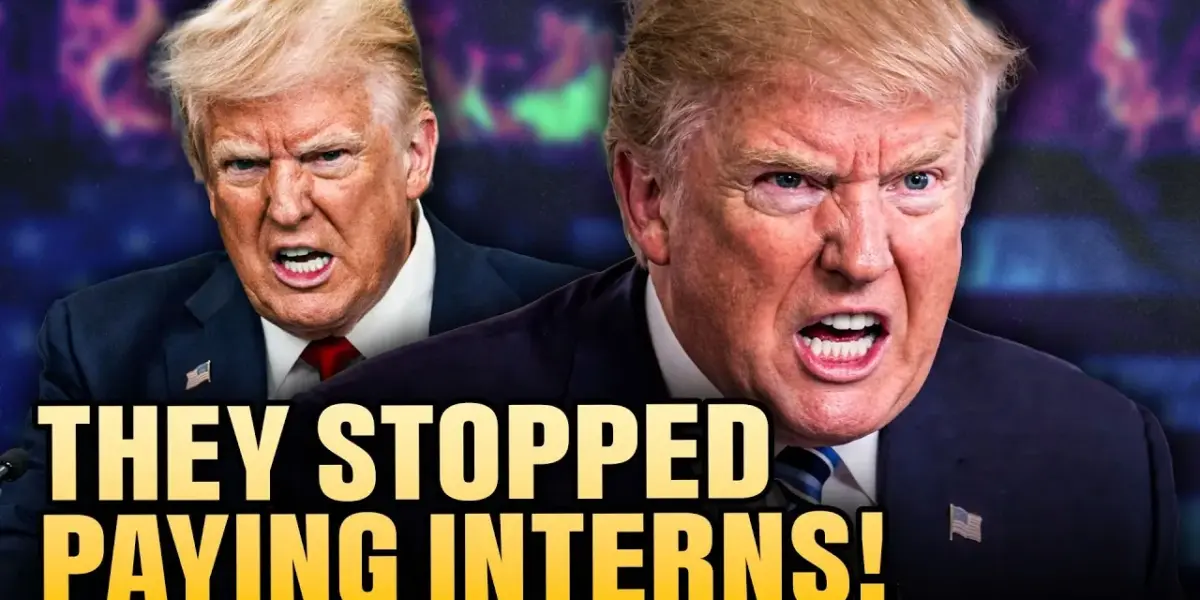
Trump Cuts White House Intern Pay, Reverts to Unpaid Labor
Donald Trump has reversed a policy put in place by the Biden administration that paid White House interns. This change means that interns now working in the White House will not receive a salary for their work. This move brings back a tradition where many interns worked for free.
Background: The Shift to Paid Internships
Up until recently, unpaid internships were common in many fields, including at the White House. The idea was that interns gained valuable experience and resume-building opportunities in exchange for their labor. However, this system often excluded people who couldn’t afford to work for free. Many felt this was unfair, especially when interns were expected to work long hours, sometimes up to 40 hours a week.
The Biden administration decided to change this. They argued that if interns are expected to commit to a full-time schedule, they should be compensated for their work. This policy change aimed to make White House internships more accessible to a wider range of people, regardless of their financial background. It was seen as a step towards recognizing internships as actual jobs that require time and effort.
Trump’s Reversal: A Step Back?
Donald Trump’s decision to end paid internships at the White House effectively undoes the progress made by the previous administration. Interns are once again expected to dedicate 40 hours a week to their roles without receiving any pay. This decision comes at a time when the cost of living, including groceries and rent, has significantly increased across the United States.
Critics argue that this policy is not only a financial burden on the interns but also shows a lack of basic consideration. Requiring someone to work a full week without pay, especially in a demanding environment like the White House, is seen by many as unreasonable. The argument is that it doesn’t cost the administration extra money from Trump’s personal funds; it’s about valuing the labor provided.
Questionable Value of Experience
Beyond the financial aspect, there are concerns about the actual value of the experience gained. The current White House is described by some as chaotic and dysfunctional. The skills learned in such an environment might not be easily transferable to other jobs. This raises the question of whether unpaid interns are truly gaining beneficial experience that will help them in their future careers.
Some suggest that interning in such a challenging setting could even be detrimental. It might make it harder for individuals to find future employment if they are associated with a perceived negative or unstable work environment. The idea is that instead of boosting employability, it could potentially hinder it.
Why This Matters
This policy change highlights a larger debate about the nature of internships and access to opportunities. For years, unpaid internships have been a way for many to get a foot in the door. However, this practice has also been criticized for favoring those with financial support, creating an uneven playing field. The Biden administration’s move to pay interns was an attempt to level that field.
Trump’s reversal suggests a return to a system where financial privilege might be a prerequisite for certain experiences. It raises questions about who gets to work in influential institutions like the White House and whether these opportunities should be accessible to all, or only to those who can afford to work for free. This decision impacts not just the interns themselves but also the diversity of perspectives and backgrounds within the White House staff.
Implications and Future Outlook
The decision to stop paying White House interns could influence internship practices in other government offices and even in the private sector. If unpaid internships become the norm again, it could lead to a less diverse workforce in entry-level positions. It might also mean that the people who do take these positions are less likely to be representative of the broader population.
Looking ahead, the debate over paid versus unpaid internships is likely to continue. As the cost of education and living rises, the pressure to compensate interns for their work will probably grow. Future administrations may need to consider how to make these valuable experiences accessible to everyone, ensuring that talent and hard work are prioritized over financial means.
Source: Trump Reverses Biden Policy, Stops Paying White House Interns (YouTube)

Related Articles
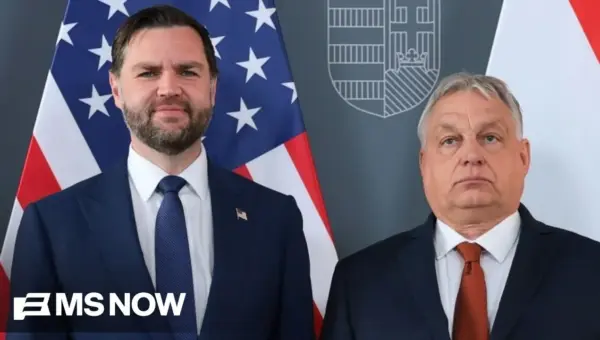
Trump-Vance Brand Suffers Overseas After Iran War, Analyst Says
Senator J.D. Vance's recent trip to Hungary to support Prime Minister Viktor Orban has drawn sharp criticism, with analysts arguing the "Trump-Vance brand" has become toxic overseas. Despite Vance's defense of the visit as supporting an ally, critics point to Orban's authoritarian record, suggesting such endorsements may now backfire, rallying opposition against the supported candidates.

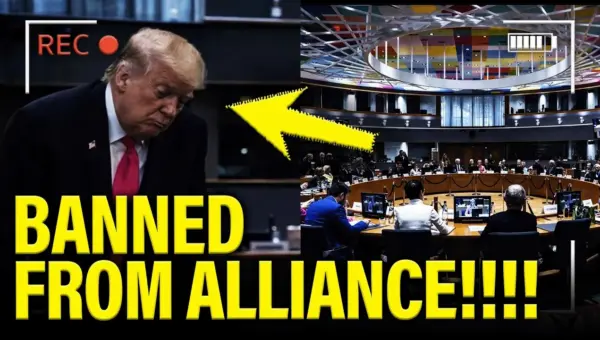
Global Alliances Shift: World Leaders Bypass Trump
World leaders are forging new international alliances, notably excluding Donald Trump from key emerging security blocs. This shift sees China positioning itself as a superpower, while Ukraine offers advanced military technology and Europe takes a more active role in regional stability. These developments signal a potential restructuring of global power dynamics.
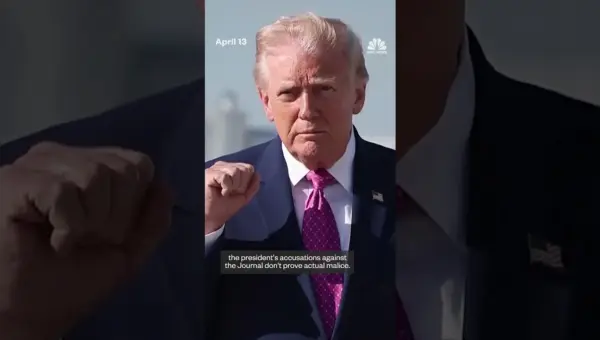
Judge Tosses Trump’s $10B Lawsuit Against WSJ
A federal judge has dismissed former President Donald Trump's $10 billion lawsuit against The Wall Street Journal. The judge ruled that Trump's team failed to prove 'actual malice' by the newspaper. Trump's legal team stated they will continue to fight against what they call 'fake news'.