US Blockades Iranian Ports Amid Tensions, Risks Global Fallout
The U.S. military has begun blockading Iranian ports in an effort to pressure Tehran into a deal, risking higher global energy prices and wider conflict. Despite President Trump's warnings and Iran's retaliatory threats, diplomatic talks are reportedly being considered, with potential in-person negotiations on the horizon.

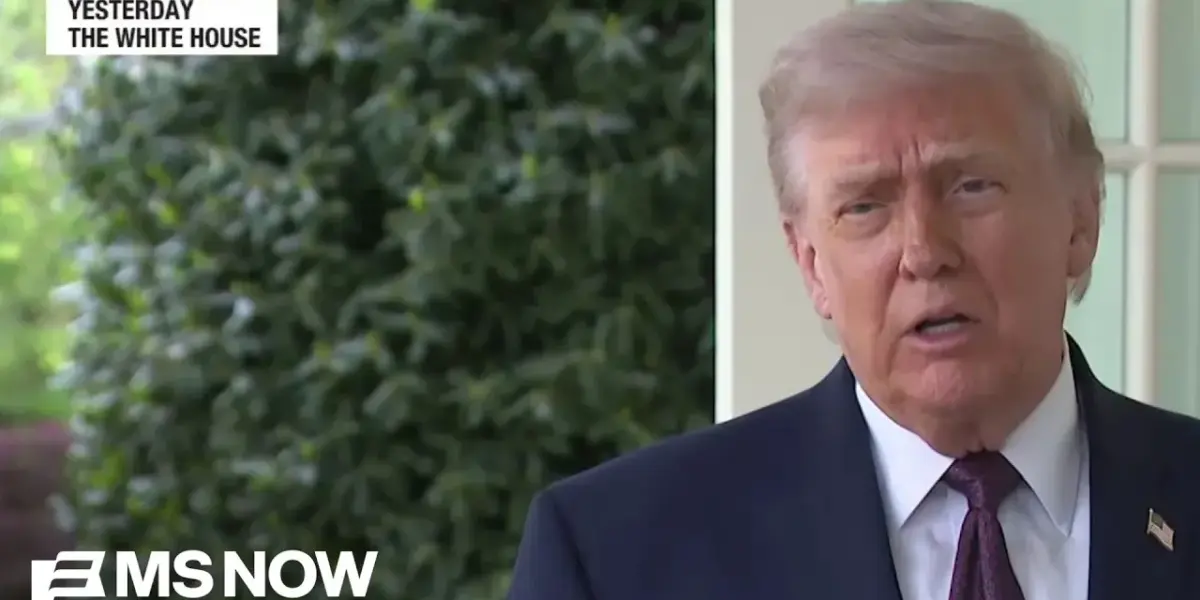
US Military Enforces Port Blockade on Iran
The U.S. military has initiated a blockade of ships entering and exiting Iranian ports. This action comes as a fragile cease-fire between the United States and Iran hangs in the balance. The goal is to apply economic pressure on Tehran, hoping to force a deal and reopen the vital Strait of Hormuz.
Economic and Diplomatic Risks Mount
However, this move carries significant risks. It could drive up global oil, gas, and food prices, impacting economies worldwide. Furthermore, the blockade threatens to derail the existing truce. President Trump issued a stark warning, stating that any Iranian ships approaching the blockade would be “immediately eliminated.”
Iran Responds with Threats
Iran has responded forcefully to the U.S. action. Iranian officials declared that if their ports are threatened, then “no port in the Persian Gulf and the Sea of Oman will be safe.” This escalates the confrontation and raises concerns about wider regional instability.
Global Powers Express Concern
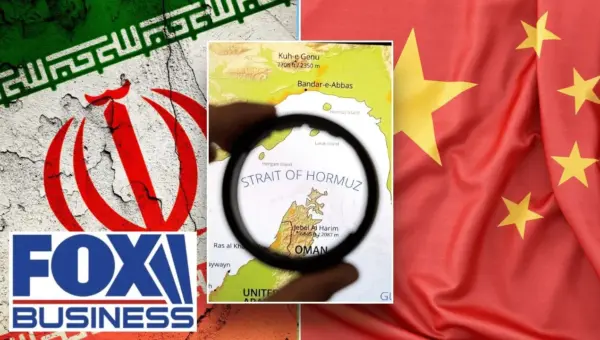
The blockade also risks drawing China, the world’s second-largest economy and Iran’s primary oil buyer, into the conflict. China’s foreign ministry spokesman urged restraint, warning that a blockade of the strait threatens global interests. Meanwhile, European leaders are distancing themselves from the U.S. action. Spain’s defense minister called the move “makes no sense,” and the UK stated it would not support the efforts.
President Trump Defends Blockade
When questioned by reporters about the rationale behind the blockade, President Trump stated, “We can’t let a country blackmail or extort the world because that’s what they’re doing. We’re not going to let that happen.” He emphasized that the U.S. does not directly use the Strait of Hormuz for its own oil and gas needs, possessing ample domestic supplies. However, he acknowledged the world’s reliance on the strait for trade.
“We can’t let a country blackmail or extort the world because that’s what they’re doing. We’re not going to let that happen.”
President Trump
Talks Continue Amidst Tensions
Despite the escalating tensions, negotiations between the U.S. and Iran are ongoing. President Trump indicated that “the appropriate people in Iran have called that they’d like to make a deal.” He suggested that talks could potentially be settled before any further escalation.
Potential for In-Person Negotiations
Two U.S. officials and a person familiar with the developments told the Associated Press that the U.S. and Iran are considering in-person talks before the current cease-fire expires. These negotiations could potentially take place as early as Thursday, with Islamabad, Pakistan, and Geneva, Switzerland, being considered as possible host locations.
White House Correspondent Weighs In
White House correspondent Francesca Chambers noted the significance of the president signaling a willingness for further talks. She discussed the possibility of Vice President Mike Pence attending, following the previous involvement of Jared Kushner and Steve Bannon in similar discussions. Chambers also touched upon the administration’s initial timeline for the conflict, suggesting a desire for a swift resolution.
Key Sticking Points Remain
While a deal is sought, sticking points persist. President Trump mentioned nuclear concerns and specifically referenced Iran’s enriched uranium stockpile as a critical issue. The U.S. prefers Iran to hand over its stockpile rather than needing to intervene militarily to secure it.
Congressional Scrutiny Looms
Administration officials are expected to testify on Capitol Hill this week. Lawmakers are likely to question the cost of the military actions and the potential need for supplemental funding. There is also concern on Capitol Hill regarding the possibility of deploying U.S. troops on the ground in Iran. The War Powers Resolution, which requires congressional notification and potential authorization for sustained military engagement, is also a key factor being discussed.
Controversy Over Social Media Post
Separately, President Trump faced questions regarding a now-deleted social media post that depicted him as Jesus. The president initially claimed he thought it was a picture of him as a Red Cross worker. However, he later acknowledged posting it, stating, “I thought it was me as a doctor.” This explanation drew criticism, with some pointing out the clear religious imagery.
Mixed Reactions from Republicans
Senate Majority Leader Mitch McConnell offered a brief comment, noting the post had been taken down. Senator Susan Collins condemned the post as “offensive and inexplicable,” urging the president not to treat the Pope as a political rival. This incident highlights a broader pattern of the president engaging in public disputes, even with religious figures.
Concerns Within the MAGA Movement
The social media controversy and the Iran policy have also sparked debate within the MAGA movement. Some conservative advocates have expressed confusion and criticism regarding the president’s explanations. There appears to be a divide, with some in the base questioning interventionist foreign policy, which they feel contrasts with an “America First” agenda.
Looking Ahead
As the cease-fire deadline approaches, all eyes will be on the potential for in-person talks between the U.S. and Iran. The international community will be watching closely to see if diplomatic solutions can be found to de-escalate tensions and prevent further economic disruption. Meanwhile, congressional oversight and the ongoing debate within the president’s own political base will continue to shape the administration’s approach.
Source: U.S. blockade of Iranian ports underway (YouTube)

Related Articles

Iran Blockade Shifts Global Oil Flow to U.S.
A blockade in the Strait of Hormuz has triggered a major shift in global oil supply routes, with supertankers now heading to the U.S. Gulf Coast. Despite geopolitical tensions, markets remain resilient, and corporate profits are projected to rise.
Trump’s Tariff Threat: China’s Iran Arms Deal Sparks Crisis
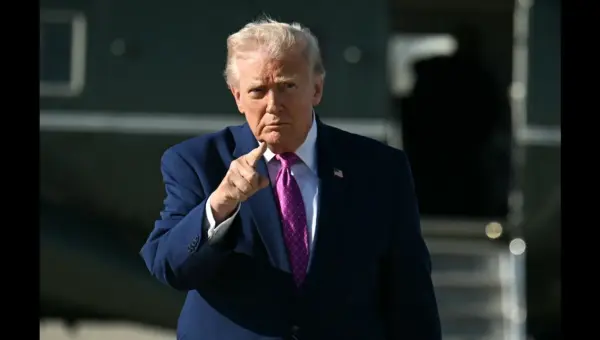
President Trump has warned China against supplying weapons to Iran, threatening a "staggering" 50% tariff if they do. U.S. intelligence reports suggest China may be preparing to send air defense systems, including missiles, to Iran. This development significantly heightens tensions ahead of a crucial summit between President Trump and Chinese President Xi Jinping.
US Oil Sanctions Squeeze Iran, Force China’s Hand
New U.S. oil sanctions on Iran are designed to cripple its economy and halt its nuclear ambitions. The move also puts significant pressure on China, a major oil importer, impacting global energy markets and potentially reshaping supply chains.