US Oil Sanctions Squeeze Iran, Force China’s Hand
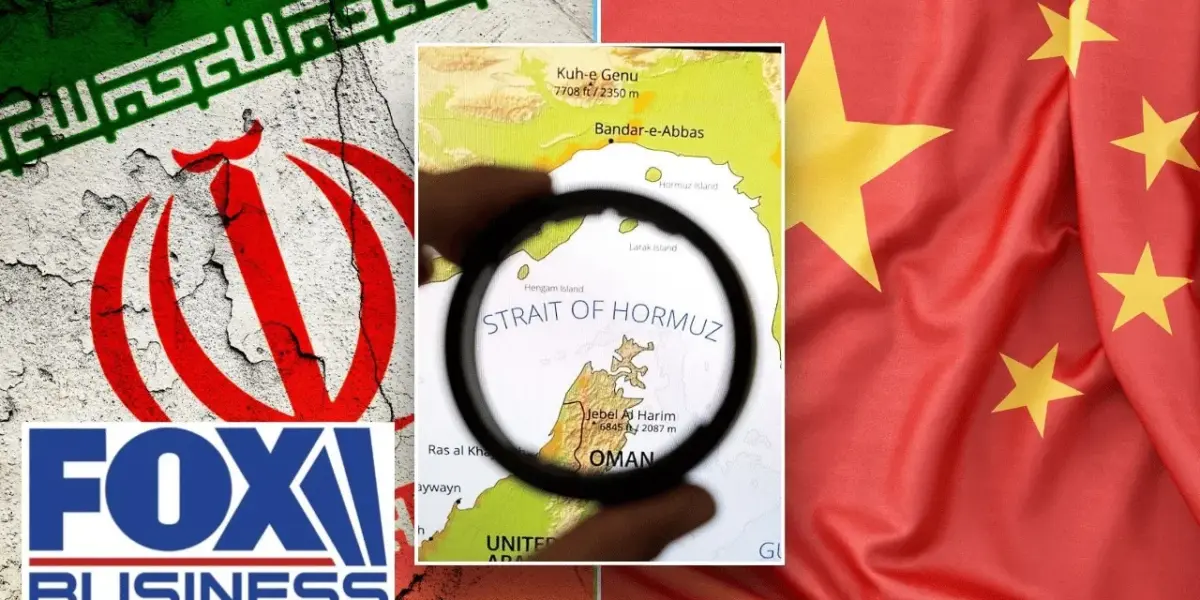
New U.S. oil sanctions on Iran are designed to cripple its economy and halt its nuclear ambitions. The move also puts significant pressure on China, a major oil importer, impacting global energy markets and potentially reshaping supply chains.

US Oil Sanctions Squeeze Iran, Force China’s Hand
The United States has launched a significant move to block Iran’s energy exports, a key source of revenue for the Iranian regime. This action comes as high-level negotiations between the U.S. and Iran in Pakistan have stalled, with no signs of a breakthrough after 21 hours of talks. Iran has refused to abandon its nuclear ambitions and has been accused of fueling instability by threatening key shipping lanes and funding militant groups across the Middle East.
President Trump stated that the right people from Iran want to make a deal, suggesting a willingness from their side despite the ongoing tensions. However, the U.S. appears to be in no rush to negotiate, signaling a strong stance on the issue. The blockade is expected to severely impact Iran’s economy, potentially leading to internal unrest similar to protests seen months ago when economic hardship and a devalued currency sparked public anger.
Economic Pressure as a Strategy
The economic impact of halting roughly 1.5 million barrels of oil exports per day, translating to about $140 million daily, is intended to put immense pressure on Iran’s economy. Analysts suggest this could compel Iran to accept terms it previously refused. However, some question whether the Iranian leadership, particularly the Supreme Leader and the Islamic Revolutionary Guard Corps (IRGC), prioritize the economy over their political and security objectives.
The core idea is that economic pressure can lead to internal dissent, potentially forcing the regime to change its behavior.
The hope is that crippling the economy will empower Iranian citizens to rise up and demand change, possibly even leading to the toppling of the current regime. This strategy is seen as a way to create an existential threat to the regime, forcing it to the negotiating table to abandon its nuclear weapons program.
China Caught in the Crossfire
The U.S. strategy also has significant implications for China, a major importer of Iranian oil. With approximately 40% of blocked oil shipments heading to Asian markets, and a substantial portion of that to China, Beijing is feeling the squeeze. China’s efforts to conserve jet fuel for domestic use suggest they are preparing for potential supply disruptions.
The U.S. has sent a clear message to China, especially with a significant number of oil tankers rerouting. China, which typically buys oil at a discount on the black market, will now face higher, retail prices, impacting its economy. This move also serves as a broader message regarding U.S. resolve, potentially influencing China’s stance on other geopolitical issues like Taiwan.
Global Oil Markets and Economic Repercussions
The disruption in oil supply is creating ripples across global markets. While Iran’s allies, like Russia, stand to benefit from higher oil prices, major American oil companies such as Exxon and Chevron are also seeing increased profits. These profits can translate into dividends and share buybacks, benefiting the U.S. economy.
The U.S. economy may also see a boost from increased demand for military munitions, as those used in potential conflicts in the Middle East will need to be replaced by U.S. manufacturers. This creates a stimulus effect for the domestic industrial sector.
Strait of Hormuz and Future Supply Chains
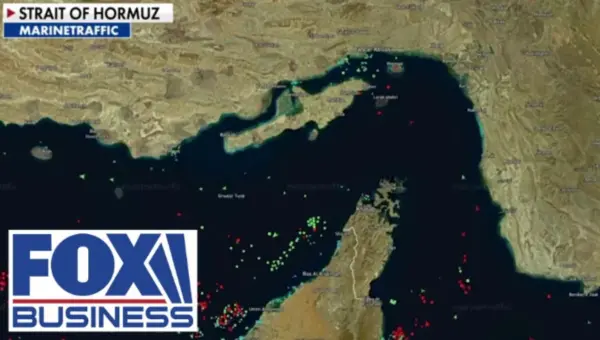
The U.S. military demonstration of its ability to control and open the Strait of Hormuz is a critical element. This strait is a vital chokepoint for global oil transport. A United Nations resolution regarding the strait was previously vetoed by China and Russia, highlighting international divisions.
The U.S. action to keep the strait open, even if it means forcing ships into Iranian-controlled waters, challenges international norms. Iran’s potential next move could involve escalating tensions by directing Houthi rebels to close the Red Sea strait, which would severely disrupt oil exports from Saudi Arabia and the UAE. However, Iran’s lack of revenue makes funding such actions difficult.
Long-Term Strategy and Supply Chain Resilience
This situation is prompting a reevaluation of global energy supply chains. Gulf states are considering pipeline bypasses to reduce reliance on critical shipping lanes. This wake-up call aims to build resilience against future threats from Iran.
The U.S. administration’s broader strategy includes reshaping global supply chains, encouraging manufacturing to return to the U.S., and addressing how goods move internationally. While consumers may face higher oil prices in the short term, this comprehensive approach aims for long-term stability and economic advantage.
Market Impact
The U.S. blockade on Iranian oil exports is designed to cripple Iran’s economy and force concessions on its nuclear program. This action directly impacts global oil prices and supply dynamics. China, as a major importer of Iranian oil, faces increased costs and potential supply chain challenges.
What Investors Should Know
Investors should monitor the volatility in the energy markets closely. The increased price of oil benefits U.S. energy companies and could stimulate domestic defense manufacturing. The long-term implications involve a potential restructuring of global energy supply chains, emphasizing resilience and reduced reliance on volatile regions. The success of this strategy could also signal a broader shift in geopolitical power and economic influence.
Source: How much of a CHOKEHOLD does this put on China? (YouTube)

Related Articles
US Naval Blockade Forces Iran to Negotiate
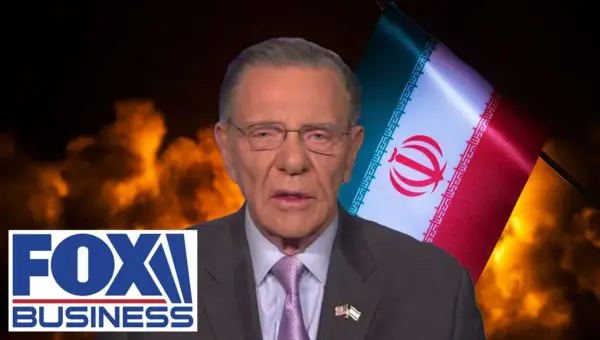
The U.S. is using a naval blockade to force Iran to negotiate, targeting oil tankers to disrupt Tehran's revenue. This strategy aims to secure freedom of navigation through the Strait of Hormuz and prevent Iran from developing nuclear weapons. Investors should watch regional stability and oil prices.

Democrats Force Vote on Iran War Amid Trump-Pope Clash
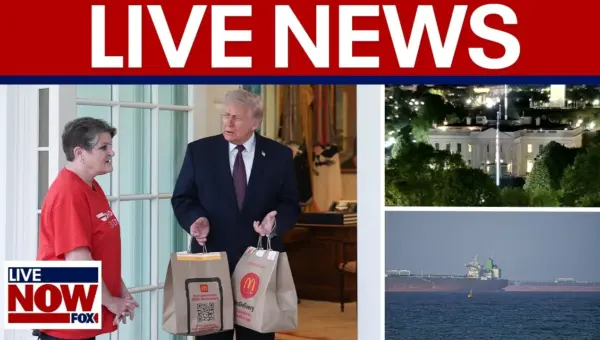
Senate Democrats are demanding a vote on a war powers resolution concerning the conflict with Iran, citing American casualties and escalating costs. This move comes amid a public disagreement between President Trump and Pope Leo over the U.S. approach to Iran. International efforts are also underway to address security in the Strait of Hormuz.
Iran Faces Economic Crisis Amid Sanctions Over Nuclear Ambitions
Iran faces a severe economic crisis as international sanctions target its nuclear program and regional proxies. The regime's financial decisions have led to internal unrest and a critical point regarding its nuclear ambitions.