Trump Risks Legacy in High-Stakes Iran Standoff
President Trump is locked in a high-stakes standoff with Iran, risking his legacy and political future. The U.S. strategy to block Iran's oil exports faces a test of endurance against Iran's historical willingness to absorb massive human and economic costs. This confrontation carries significant global economic and security implications.

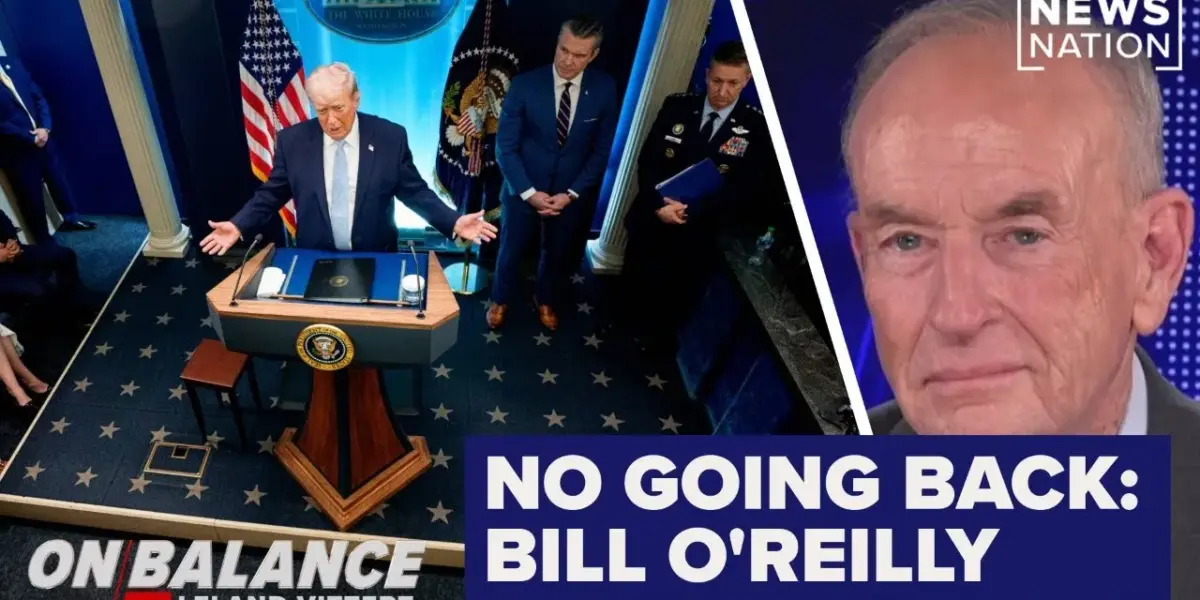
Trump Risks Legacy in High-Stakes Iran Standoff
President Trump faces a critical challenge in his Iran policy, balancing his desire to prevent a nuclear Iran with the potential impact on his political future. This situation is shaping up to be the biggest gamble of his presidency, with significant consequences for both his legacy and America’s standing on the world stage.
Media Focus vs. Public Concern
Recent media coverage has focused heavily on a controversial image of President Trump, sparking outrage among some groups. However, many Americans are more concerned with everyday issues like paying rent, buying groceries, or affording summer activities for their children. This suggests a disconnect between the media’s priorities and the public’s immediate concerns, with many Americans more worried about the implications of the conflict with Iran than the media’s reaction to a doctored photo.
The Iran Strategy: A Test of Will
The current strategy involves the U.S. Navy attempting to block oil exports from Iran. This move is designed to hurt Iran economically. The situation is described as dire, with no easy way out for President Trump. He must see this policy through to success, or he risks being remembered as a failed president, similar to Lyndon Johnson. Trump’s political future, especially with upcoming midterm elections, could be impacted if the public perceives this conflict as a losing battle.
Historical Parallels and Iranian Tactics
To understand the gravity of the situation, it’s important to look at Iran’s past actions. During the Iran-Iraq War, Iran famously sent tens of thousands of child soldiers, some as young as 10 to 14 years old, across minefields. These young individuals were sent to be killed in large numbers, in the hope that their enemies would run out of bullets before Iran ran out of people to sacrifice. This tactic highlights Iran’s willingness to endure immense human cost to achieve its objectives.
Can America Outlast Iran?
The core question is whether the American public can endure the pain and pressure of this standoff longer than Iran’s willingness to sacrifice its people. The argument is that the American people have no choice but to look to President Trump for leadership. He is committed to staying the course for at least six months, even if it means losing the midterm elections. This commitment shows a determination to see the policy succeed, regardless of short-term political costs.
The President’s Strain
There’s an observation that President Trump may be exhausted, not getting enough sleep, and feeling the immense strain of his decisions. The Iran policy is seen as the biggest gamble of his life. While the belief is that America will ultimately prevail, it is expected to be a difficult and challenging road ahead.
Global Impact
This high-stakes confrontation between the U.S. and Iran has significant global implications. The Strait of Hormuz is a crucial chokepoint for global oil supplies. Any disruption there can send shockwaves through international energy markets, affecting economies worldwide. The U.S. strategy aims to cripple Iran’s economy, potentially leading to internal instability or forcing a change in its foreign policy. However, Iran’s demonstrated willingness to absorb heavy losses and its regional influence mean that this conflict could escalate and draw in other regional actors, further destabilizing an already volatile Middle East.
Future Scenarios
Several outcomes are possible. The U.S. strategy could succeed, leading to Iran’s economic collapse and a forced change in its nuclear ambitions. Alternatively, the conflict could drag on, causing prolonged economic pain for both sides and potentially leading to a wider regional war. Iran might also seek asymmetric responses, such as targeting shipping or increasing support for proxy groups, to counter U.S. pressure. The likelihood of each scenario depends on the resolve of both leaderships, the reactions of international allies and adversaries, and the impact on global energy markets.
Source: Trump must win war or go down as loser president: Bill O’Reilly | On Balance (YouTube)

Related Articles
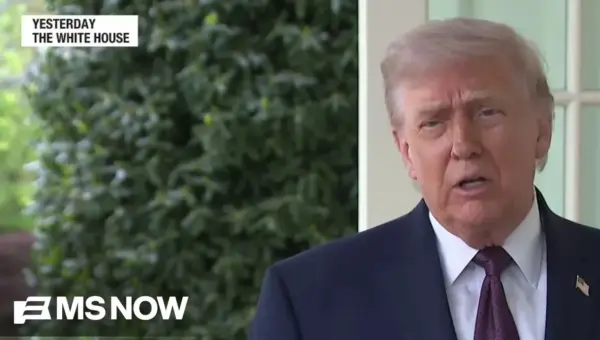
US Blockades Iranian Ports Amid Tensions, Risks Global Fallout
The U.S. military has begun blockading Iranian ports in an effort to pressure Tehran into a deal, risking higher global energy prices and wider conflict. Despite President Trump's warnings and Iran's retaliatory threats, diplomatic talks are reportedly being considered, with potential in-person negotiations on the horizon.

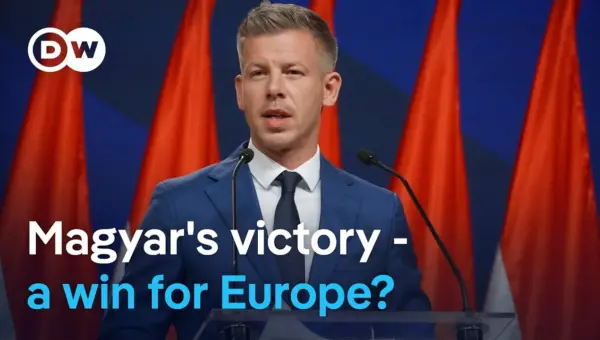
Hungary Rejects Orban, Embraces Pro-EU Path
Hungary has elected Peter Magyar as its new leader, signaling a significant shift away from Viktor Orban's nationalist policies and a renewed commitment to the European Union. Magyar's government prioritizes securing frozen EU funds and improving relations with the bloc, though challenges remain in addressing migration and past ties to Russia.

Iran Blockade Shifts Global Oil Flow to U.S.
A blockade in the Strait of Hormuz has triggered a major shift in global oil supply routes, with supertankers now heading to the U.S. Gulf Coast. Despite geopolitical tensions, markets remain resilient, and corporate profits are projected to rise.