World on Brink: How Cuba Missiles Sparked Nuclear Scare
In October 1962, the world teetered on the brink of nuclear war during the Cuban Missile Crisis. This 13-day standoff between the U.S. and the Soviet Union was sparked by the discovery of Soviet missile sites in Cuba. The crisis tested global diplomacy and brought humanity closer to annihilation than ever before.

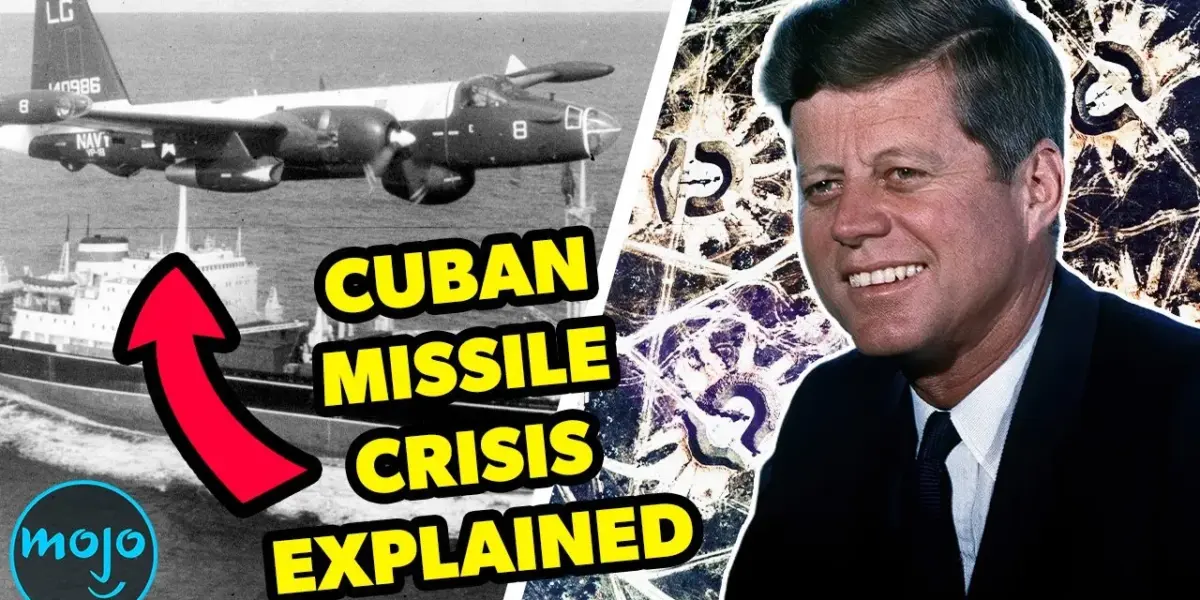
World on Brink: How Cuba Missiles Sparked Nuclear Scare
In October 1962, humanity held its breath. For 13 tense days, the United States and the Soviet Union stood on the edge of nuclear war. This was the Cuban Missile Crisis, a moment when leaders in Washington and Moscow grappled with decisions that could have wiped out millions. The world was closer to total destruction than at any other time in history.
The Shadow of the Cold War
The crisis didn’t happen overnight. It was born from the deep suspicion between the two superpowers that emerged after World War II: the United States and the Soviet Union. Both nations, having suffered devastating attacks during the war, were determined to never let it happen again. This led to a divided Europe and the formation of armed camps. By 1949, both countries had nuclear weapons, turning their political rivalry into a terrifying threat to everyone on Earth.
The Cold War was built on a chilling idea: if either side made a mistake, the next war would be the last war for humanity. The Soviet launch of Sputnik, an early satellite, in 1957 showed how advanced their technology was. This gave them more power in talks and was a big win for national pride. By 1959, the Soviets had rockets that could threaten U.S. bomber bases within minutes of an attack.
Cuba’s Revolution Changes Everything
A major shift happened in 1959 when Fidel Castro’s revolution overthrew the U.S.-backed government in Cuba. What started as a movement for national freedom soon turned towards Marxism. American businesses in Cuba were taken over by the government, and opponents were jailed. Relations between Cuba and the U.S. quickly worsened. By 1960, Cuba was trading with and cooperating militarily with the Soviet Union.
Thousands of Cubans fled to the United States, where many became vocal about their demands for action against Castro. Just 90 miles from Florida, a new government hostile to the U.S. had joined the Cold War. The U.S. saw this as a direct threat to its long-held influence in the region. For Moscow, Cuba offered a rare chance to gain a strategic foothold in the Western Hemisphere.
Failed Invasion, Rising Tensions
As President Dwight Eisenhower left office in 1961, he warned about the growing power of the military-industrial complex. At the same time, the CIA was already planning to remove Fidel Castro. Under Eisenhower, Cuban exiles were trained for an invasion. President John F. Kennedy inherited this plan just weeks into his presidency, with promises that it would lead to a popular uprising.
However, the invasion at the Bay of Pigs in April 1961 was a disaster. The invading force was quickly defeated because the expected air support and local rebellion never happened. This failure made Castro even more determined, believing another American attack was certain. He cracked down on opposition and officially declared the revolution socialist, making alignment with the Soviet Union a matter of survival.
Missiles in Cuba: The Ultimate Gamble
Soviet Premier Nikita Khrushchev saw an opportunity. He agreed to secretly send nuclear missiles to Cuba. This would not only protect the island but also counter the threat from U.S. missiles already placed in Italy and Turkey, which were close to the Soviet Union. The U.S. had already shown it was willing to take action against leaders it didn’t like. Few in Cuba believed the Bay of Pigs invasion would be the last U.S. move.
The U.S. continued its covert efforts to destabilize Castro’s government through Operation Mongoose. This involved sabotage, economic pressure, and intelligence operations. Assassination plots were even considered, and Cuban infrastructure became a target. The goal was to make Cuba unmanageable and Castro vulnerable.
Meanwhile, Moscow saw placing missiles in Cuba as a way to balance the power. While the U.S. had more nuclear weapons and delivery systems, Soviet missiles in Cuba would dramatically shorten the warning time for an American attack. Khrushchev believed this bold move could shift the balance of power without firing a shot. Operation Anadir, the secret Soviet deployment, involved moving troops and missile parts to Cuba disguised as regular aid. Many Soviet soldiers didn’t know where they were going until they were already at sea or had arrived.
Discovery and the Brink of War
The race was on: Soviet construction crews worked to build missile sites in Cuba, while American spy planes scanned from above. On October 14, 1962, a U.S. U-2 spy plane took photos of what looked like missile launch sites. After days of analysis, the conclusion was undeniable: these were Soviet medium-range ballistic missiles. The crisis had officially begun.
President Kennedy was shown the photos on October 16th. The news was stark: once operational, these missiles could strike much of the continental U.S. with very little warning. The options were grim. An air strike or invasion could remove the missiles but risked a massive Soviet retaliation and a wider war. Doing nothing meant accepting a hostile nuclear presence just 90 miles from Florida.
The Naval Quarantine
Kennedy immediately gathered a small group of advisors, known as the Executive Committee of the National Security Council (XCOM). The debate was intense. Some pushed for an immediate air strike, while others, like UN Ambassador Adlai Stevenson, urged diplomacy, fearing military action could spiral out of control. Kennedy himself worried about the one-third chance of nuclear war but also felt he couldn’t appear weak, as that might encourage the Soviets to push harder elsewhere, like in Berlin.
After days of debate, a decision was made: a naval quarantine of Cuba. This was essentially a blockade, but the term was chosen carefully because a blockade is considered an act of war under international law. A quarantine would allow the U.S. to stop ships carrying offensive weapons to Cuba, giving room for negotiation while still taking strong action. It was a dangerous middle path, sending U.S. warships toward Soviet vessels, but it was seen as the least likely option to trigger immediate all-out war.
The world watched as Kennedy announced the quarantine on television. He demanded an immediate halt to the Soviet operation, warning that failure to comply would lead to severe retaliatory measures. The 13 days that followed would test the nerves of leaders and citizens worldwide, as they navigated the most dangerous confrontation of the nuclear age.
Source: Cuban Missile Crisis: 100 Moments That Made The World Stand Still – Episode 7 (YouTube)

Related Articles
Castro Denies Communism, Defends Cuba’s Future
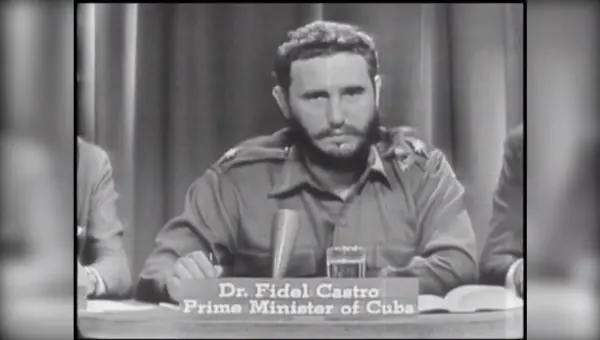
In a 1959 'Meet the Press' appearance, Cuban Prime Minister Fidel Castro denied being a communist, instead advocating for 'humanism' and social justice. He addressed concerns about his government's direction, affirmed his commitment to democracy, and promised free elections, while pushing back against accusations of communist influence and defending Cuba's role in Latin America.

Putin’s KGB Past: Informant Role Revealed
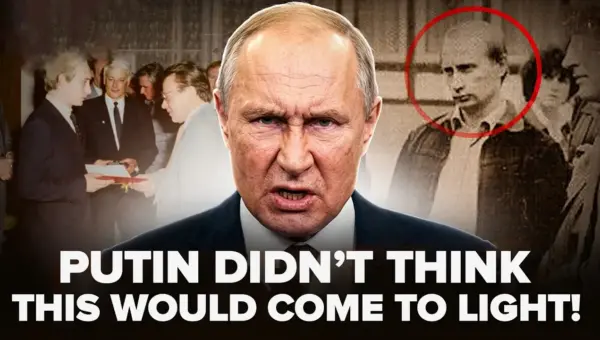
Newly uncovered details suggest Vladimir Putin began his career as a KGB informant in the 1970s, reporting on fellow university students. The information surfaces decades later, detailing his alleged role in suppressing dissent and his experiences in Dresden during the fall of the Berlin Wall.


Melania Trump’s ‘Cold War Mindset’ Influences Donald Trump’s Policies
Melania Trump's 'Cold War mindset,' shaped by her Soviet-era upbringing, may be influencing Donald Trump's foreign policy, according to journalist Helen Rumbelow. The analysis comes amid discussions of the heavily redacted Jeffrey Epstein files and the societal pressures on women's public appearances.