US Tightens Grip on Iran, Targeting Key Revenue Streams
The U.S. is intensifying economic pressure on Iran by targeting its oil exports, aiming to force negotiations. Despite Iran's attempts to control the Strait of Hormuz, experts suggest its military capability is limited, though psychological factors persist. Oil markets remain sensitive to these developments.

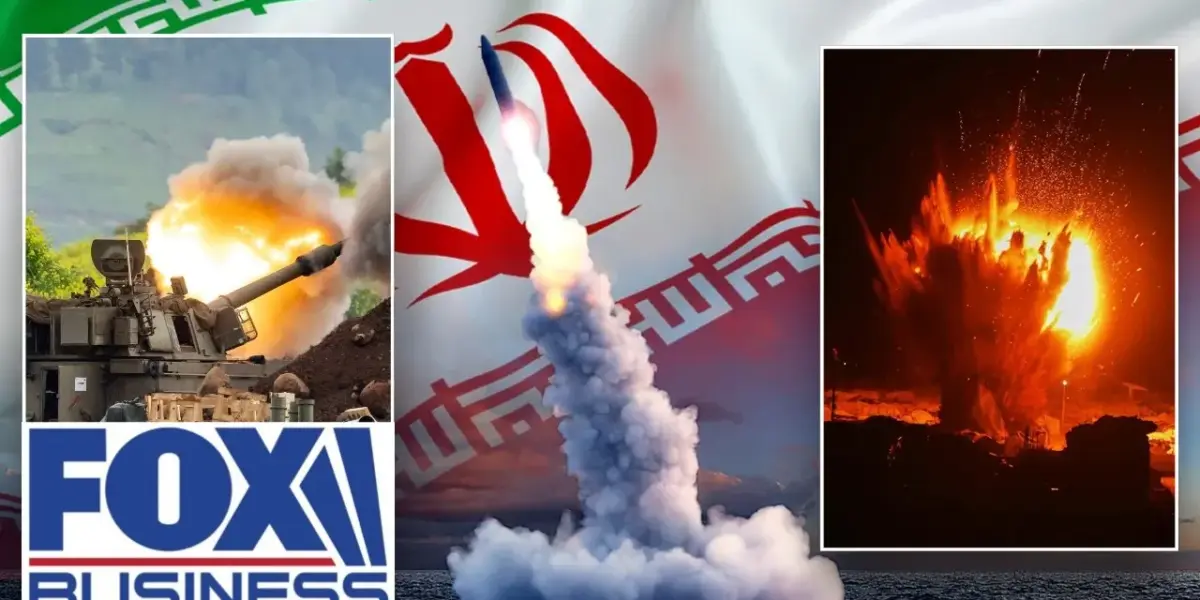
US Intensifies Pressure on Iran, Focusing on Economic Lifelines
The United States is applying significant pressure on Iran by targeting its most vital revenue sources, a strategy aimed at forcing the nation to negotiate. This approach involves hitting Iran in three critical areas simultaneously, with a particular focus on cutting off oil exports, which serve as the country’s primary lifeline.
President Trump has stated his intention to halt Iran’s oil exports, a move designed to cripple its economy and re-establish deterrence in the Gulf region. The administration has signaled a willingness to take further action as needed to enforce these measures. This strategy aims to increase economic hardship for Iran, potentially pushing its leaders toward the negotiating table for a new deal.
Iran’s Overplayed Hand in the Strait of Hormuz
A former Israeli special operations veteran, Aaron Cohen, suggests that Iran may have overestimated its influence, particularly concerning control over the Strait of Hormuz. Cohen argues that Iran has never truly controlled this vital waterway and that recent actions, including failed talks, indicate the regime has overplayed its hand.
“The playbook is clear: if they want a deal, they come back. Trump always leaves the door open, but if you raise the cost, you will get thumped again.”
Cohen points to the significant damage inflicted on the Islamic Revolutionary Guard Corps (IRGC) Navy, with over 150 vessels reportedly destroyed. He contends that this severe depletion of naval assets makes it unlikely Iran can pose a credible military threat in the Strait.
The Psychological vs. Physical Control of the Strait
While military control might be diminished, the perception of control over the Strait of Hormuz remains a significant factor. Insurance carriers have shown reluctance to insure ships transiting the area due to lingering threats, creating a psychological barrier to passage.
Cohen acknowledges this psychological aspect, noting that until Iran officially signals the Strait is open, insurers and shipping companies will remain hesitant. However, he emphasizes that physically, Iran lacks the capability to control the narrow 16-mile passage, especially with the U.S. Navy actively present and prepared to ensure safe transit.
The U.S. strategy appears to involve maintaining open shipping lanes while simultaneously pressuring Iran. The goal is to publicly demonstrate Iran’s limited actual control over the Strait. However, Iran’s ability to shut down internet access has made it difficult for the world to see the full extent of the situation, potentially allowing the regime to maintain a facade of influence.
Market Reactions and Investor Concerns
The situation has caused jitters in the oil markets, with prices reacting to the increased tensions. While Iran has attempted to use global energy supplies as a weapon, its efforts have not proven effective in the long term. The U.S. has effectively acted as a backstop for the market, mitigating some of the impact.
Last week, Iran reportedly lost around 700,000 barrels per day in pumping capacity. While this represents a significant disruption, it did not result in a total shutdown of its operations. The ongoing pressure and the U.S. response will continue to be closely watched by global energy markets and investors.
What Investors Should Know
The intensified U.S. pressure on Iran, particularly targeting its oil revenue, creates a complex geopolitical and economic environment. Investors should monitor developments in the Strait of Hormuz and their impact on global oil supply and prices. The effectiveness of U.S. sanctions and Iran’s response will be key factors influencing market stability in the short term.
Longer term, the success of this strategy could lead to a more stable energy market if Iran is compelled to negotiate. However, any escalation of conflict could introduce volatility. The situation highlights the interconnectedness of geopolitical events and financial markets, underscoring the need for investors to stay informed about global affairs.
Source: US hitting Iran in ‘CRITICAL AREAS,’ Israeli special ops veteran says (YouTube)

Related Articles


Hungary Rejects Orban, Embraces Pro-EU Path
Hungary has elected Peter Magyar as its new leader, signaling a significant shift away from Viktor Orban's nationalist policies and a renewed commitment to the European Union. Magyar's government prioritizes securing frozen EU funds and improving relations with the bloc, though challenges remain in addressing migration and past ties to Russia.

Iran Blockade Shifts Global Oil Flow to U.S.
A blockade in the Strait of Hormuz has triggered a major shift in global oil supply routes, with supertankers now heading to the U.S. Gulf Coast. Despite geopolitical tensions, markets remain resilient, and corporate profits are projected to rise.
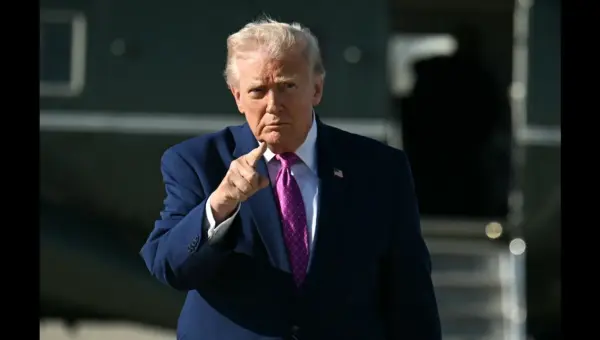
Trump’s Tariff Threat: China’s Iran Arms Deal Sparks Crisis
President Trump has warned China against supplying weapons to Iran, threatening a "staggering" 50% tariff if they do. U.S. intelligence reports suggest China may be preparing to send air defense systems, including missiles, to Iran. This development significantly heightens tensions ahead of a crucial summit between President Trump and Chinese President Xi Jinping.