Iran’s Blockade: Trump’s Bold Move to Force Negotiations
The U.S. is using a blockade in the Strait of Hormuz to pressure Iran after failed talks. This strategy aims to cut off oil revenue and force negotiations. However, Iran's tough rhetoric and the difficulty of changing ideology pose significant challenges.

Iran’s Blockade: Trump’s Bold Move to Force Negotiations
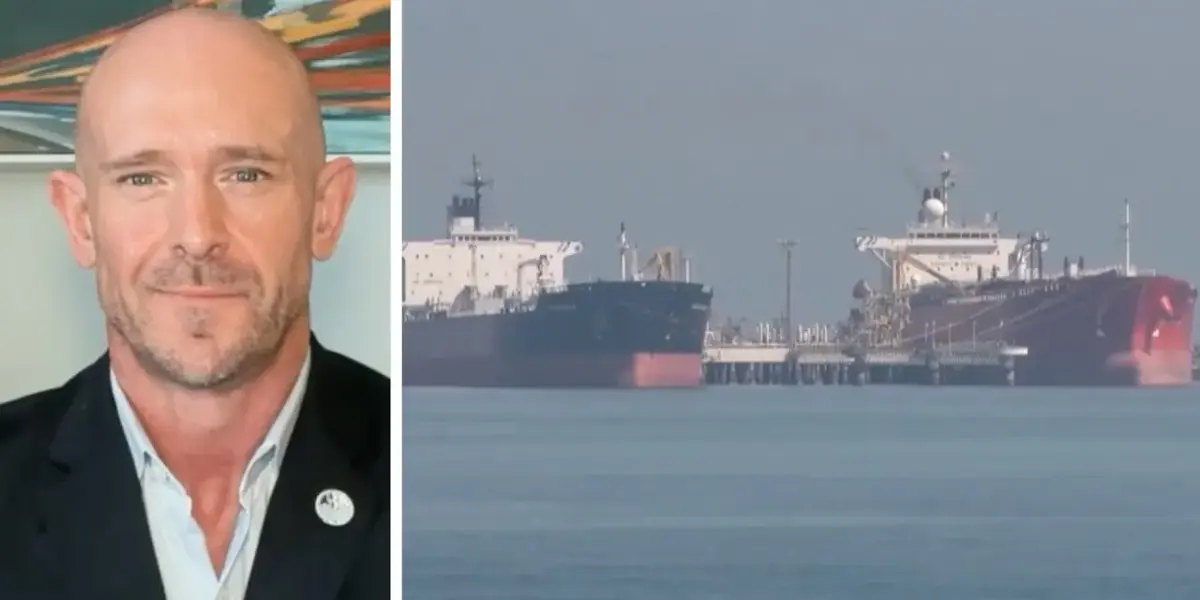
The United States is taking a strong stance in the Strait of Hormuz, a vital waterway for global oil shipments. Following failed peace talks, President Trump’s strategy now centers on this critical passage. This move aims to put significant pressure on Iran, potentially forcing them back to the negotiating table.
The Strait of Hormuz: A Global Lifeline
The Strait of Hormuz is a narrow channel connecting the Persian Gulf to the open ocean. It’s one of the world’s most important shipping lanes, especially for oil. About 20% of the world’s oil passes through this strait every day. Disrupting this flow could have major global economic consequences.
Iran’s Naval Tactics
Iran’s navy might not be the largest, but they possess thousands of fast boats. These are designed for harassment tactics, not large-scale naval warfare. They have also used naval mines, which pose a serious threat to shipping. These mines can be contact mines that detonate when hit, or more advanced types that detect and attack vessels. Clearing these mines is a huge and difficult task in the vast strait.
US Naval Operations in the Strait
The U.S. Navy is undertaking a major operation to ensure safe passage through the Strait of Hormuz. This includes mine clearance missions. They are using advanced technology like helicopters equipped with mine-detecting systems. Unmanned underwater and surface vehicles are also being employed to scan the waters. Once mines are found, the Navy’s job is to clear them, often by detonating them safely.
The Blockade Strategy
The U.S. plans to strategically position its fleet within the strait. This creates overlapping defensive zones to protect ships. Armed escorts will accompany vessels, particularly oil tankers. The U.S. will also use intelligence, surveillance, and reconnaissance (ISR) to monitor for Iranian fast boats. This approach is similar to how they have dealt with drug smuggling operations in other regions.
Economic Pressure on Iran
This blockade is seen as another form of economic pressure, similar to sanctions. By preventing countries from buying Iranian oil, and Iran from exporting it, the U.S. aims to cut off a major source of revenue. This financial strain is intended to push Iran to accept U.S. demands at the negotiating table. The focus is on blocking access to oil exports, particularly from key terminals like Car Island.
Doubts About Iran’s Negotiation Stance
There are significant doubts about Iran’s sincerity in peace talks. Their history suggests they may not negotiate in good faith. A key U.S. demand is preventing Iran from developing nuclear weapons. If Iran fails to address this critical issue, the U.S. has military options. One possibility is seizing Iranian uranium stockpiles, though this is considered a last resort.
Iran’s Tough Talk vs. Reality
Despite facing immense pressure, Iran continues to speak tough. This is often seen as “saber rattling” – making threats without the real capability to back them up. Analysts believe Iran’s military capabilities, especially regarding missiles and drones, have been weakened. Decades of ideological views may prevent the Iranian regime from seeing the reality of their situation. They are fighting for survival, leading to strong rhetoric even when their options are limited.
The Dilemma for Iran
Iran faces a difficult choice. Agreeing to U.S. terms could be seen as weakness by its supporters and could undermine its regime. However, refusing to negotiate could lead to severe military action from the U.S. This could include targeting critical infrastructure like power and water plants. Such actions, while weakening the regime, could also create a severe humanitarian crisis within Iran, requiring international intervention.
The Challenge of Ideology
Removing a regime’s ideology is incredibly difficult. History shows that simply dismantling military or political structures doesn’t erase deeply held beliefs. The goal is often to find moderate elements within a country who can negotiate for a better future. However, changing a fundamental ideology that drives a regime is a long and uncertain process. The world has grappled with this question for decades, with no easy answers.
Why This Matters
The situation in the Strait of Hormuz highlights the complex geopolitical tensions between the U.S. and Iran. The U.S. strategy of using economic and military pressure aims to achieve diplomatic goals. The effectiveness of this strategy, however, depends on Iran’s response and the global community’s reaction. The potential for escalation and humanitarian consequences makes this a critical issue to watch.
Implications and Future Outlook
The blockade could significantly impact global oil prices and supply chains. For Iran, it represents a severe economic challenge that could lead to internal instability. The long-term outlook depends on whether diplomacy can prevail over military confrontation. The U.S. hopes this pressure will lead to a new agreement, while Iran may seek to weather the storm and maintain its current stance. The involvement of other regional and global powers will also play a crucial role in shaping future events.
Historical Context
U.S.-Iran relations have been strained for decades, marked by various crises and diplomatic standoffs. The current situation is rooted in long-standing disagreements over Iran’s nuclear program, regional influence, and support for certain groups. Past attempts at negotiation have often been fraught with mistrust. Understanding this history is key to grasping the complexities of the present situation.
Source: Iran ‘No Longer Has Any Leverage’: US Military and National Security Analyst (YouTube)

Related Articles


Hungary Rejects Orban, Embraces Pro-EU Path
Hungary has elected Peter Magyar as its new leader, signaling a significant shift away from Viktor Orban's nationalist policies and a renewed commitment to the European Union. Magyar's government prioritizes securing frozen EU funds and improving relations with the bloc, though challenges remain in addressing migration and past ties to Russia.

Iran Blockade Shifts Global Oil Flow to U.S.
A blockade in the Strait of Hormuz has triggered a major shift in global oil supply routes, with supertankers now heading to the U.S. Gulf Coast. Despite geopolitical tensions, markets remain resilient, and corporate profits are projected to rise.


Nvidia Chips Smuggled: China Gains AI Edge?
An investigation into alleged smuggling of $92 million in Nvidia AI chips to China raises national security concerns. U.S. authorities are scrutinizing how advanced technology bypassed export controls, potentially boosting China's military AI capabilities.