Strait Blockade Sparks Fears of Global Food Crisis
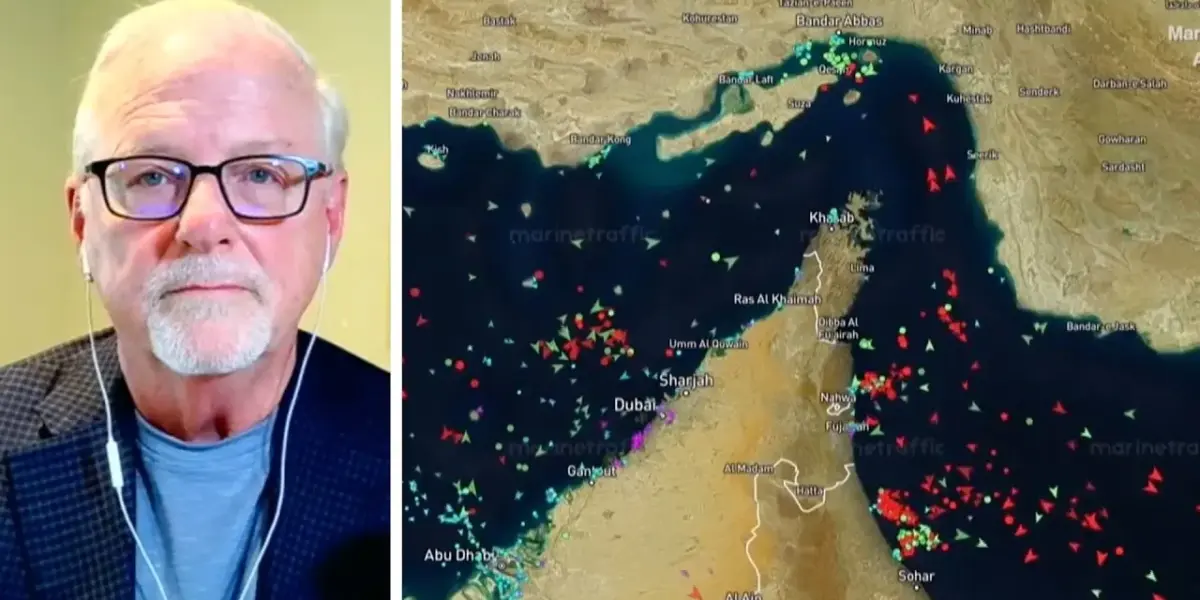
A potential blockade of the Strait of Hormuz could trigger significant global food shortages and higher gas prices. Analyst David Blackman warns that disruptions to fertilizer supplies and rising fuel costs are already impacting farmers worldwide. The situation poses a long-term threat to food security.

Strait Blockade Sparks Fears of Global Food Crisis
A crucial shipping lane in the Middle East, the Strait of Hormuz, is facing a potential blockade. This disruption could have serious ripple effects, leading to higher gas prices and even global food shortages, according to energy policy analyst David Blackman.
Economic Hit for Iran
If Iran effectively blocks ships from entering or leaving its ports through the Strait of Hormuz, it would be a major blow to the country’s economy. About 90% of Iran’s trade happens through these ports. This means a significant portion of the government’s income and economic activity relies on this vital waterway.
Gas Prices on the Rise
The disruption at the Strait of Hormuz could push gas prices higher. Blackman suggests that prices at the pump could reach $5 per gallon if the situation continues. This is partly because the world is already short of 8 to 10 million barrels of oil per day. When supply is low and demand is high, prices naturally go up. This affects everyone, as crude oil is traded on a global market.
US Less Vulnerable to Shortages
While the United States will feel the pinch of higher prices, it is less likely to face actual shortages. North America, including Canada and Mexico, is largely energy independent. This means the US is not expected to run out of gas, have long lines at the pump, or need to ration fuel like some other countries might.
Global Oil Market Impact
Before recent conflicts, about 20 million barrels of oil a day passed through the Strait of Hormuz, making up roughly 20% of the global market. While some oil has been rerouted through pipelines and other measures, the world is still short about 10 million barrels per day. Even if tanker traffic can be freed up, damage to infrastructure in the Middle East could take months to repair, meaning higher gas prices are likely here to stay for a while.
China’s Difficult Position
China, which previously relied on sanctioned oil from countries like Russia and Venezuela, is now facing a tougher situation. Before the conflict, about 37% of exports from the Persian Gulf were going to China. Now, China must find alternative sources in a market that is already undersupplied. While countries like the US and Brazil might have some excess capacity to export oil, it won’t be enough to cover the full loss from the Persian Gulf.
Fertilizer Shortage Threatens Food Supply
Beyond oil, the situation in the Middle East is also impacting fertilizer supplies. Over 20% of global fertilizer feedstocks came from this region. Now, a significant shortage is developing. India has had to shut down many fertilizer factories. Farmers in Indonesia and the Philippines are struggling to harvest crops because fuel costs are too high to run their equipment. They are forced to rely on manual labor, which can only harvest a fraction of their crops.
Potential for Food Shortages
This fertilizer shortage could lead to real food shortages in some parts of the world as early as next year. Many countries have food reserves, but they are now drawing them down. If the Strait of Hormuz remains blocked or disrupted, next year’s growing season could be severely impacted. While this year’s harvest might be less affected, the ability for farmers to afford to harvest their current crops due to high fuel costs is a major concern.
Outlook: A Long-Term Challenge
Reopening the Strait of Hormuz quickly would help, but it’s unclear how fast supply chains could recover or how prices would stabilize. The analyst warns that this situation could be a long-term challenge, impacting global food security for the foreseeable future. The hope is for the strait to reopen soon to prevent widespread food shortages.
Why This Matters
The potential blockade of the Strait of Hormuz highlights the interconnectedness of global markets. A disruption in one key region can have far-reaching consequences, affecting everything from the price of gas at the pump to the availability of food on tables worldwide. This situation underscores the importance of stable energy supplies and the vulnerability of global trade routes to geopolitical events. It also raises concerns about food security, particularly in developing nations that rely heavily on imported food and agricultural inputs like fertilizer.
Implications, Trends, and Future Outlook
The current events point to a trend of increasing energy market volatility. Geopolitical tensions are directly impacting commodity prices, leading to inflation and potential supply disruptions. Countries are likely to face pressure to diversify their energy sources and secure more stable supply chains. The reliance on key chokepoints like the Strait of Hormuz makes global trade inherently risky. In the future, we may see increased investment in alternative energy sources and more regionalized trade agreements to mitigate such risks. The immediate future suggests higher energy costs and a significant threat to global food supplies if the situation is not resolved promptly.
Historical Context and Background
The Strait of Hormuz has long been a critical chokepoint for global oil transportation. For decades, a significant portion of the world’s oil supply has passed through this narrow waterway connecting the Persian Gulf to the open ocean. Its strategic importance has often made it a focal point during times of regional conflict and political tension. Past incidents and threats to shipping in the strait have historically caused spikes in oil prices, demonstrating its sensitive role in the global energy market. This current situation echoes those past concerns, amplified by existing global supply chain fragilities.
Source: Fertilizer Shortage Due to Homuz Strait Blockage Could Cause Regional Food Shortages: Analyst (YouTube)

Related Articles


US Naval Blockade Forces Iran to Negotiate
The U.S. is using a naval blockade to force Iran to negotiate, targeting oil tankers to disrupt Tehran's revenue. This strategy aims to secure freedom of navigation through the Strait of Hormuz and prevent Iran from developing nuclear weapons. Investors should watch regional stability and oil prices.
Trump Ultimatum: No Deal Without Nuclear Ban
President Trump has issued an ultimatum in Iran negotiations, stating no deal will be reached if Iran pursues nuclear weapons. Meanwhile, domestic policy debates continue over DHS funding, with a reconciliation process being considered for various legislative items. Positive economic news includes a significant rise in average tax refunds, boosting consumer spending.


Iran’s Bold Move Exposes US Weakness in Persian Gulf
A Chinese tanker's easy passage through a U.S. blockade and a U.S. aircraft carrier's lengthy detour raise questions about American influence in the Persian Gulf. As global alliances shift, the effectiveness of U.S. foreign policy is under scrutiny.