Parkinson’s Cases Surge, New Treatments Emerge
Parkinson's disease cases have surged 50% in 30 years, with experts predicting a doubling by 2040. Actor Terry Crews' wife, Rebecca King Crews, revealed her diagnosis and recent non-invasive brain surgery. Doctors point to lifestyle factors like diet, sleep, and exercise as key prevention strategies.


Parkinson’s Cases Surge, New Treatments Emerge
A recent announcement by Rebecca King Crews, wife of actor Terry Crews, has brought Parkinson’s disease into the spotlight. She revealed she has been living with the condition since 2015. Her story highlights a worrying trend: Parkinson’s cases have jumped by 50% in the last three decades. Experts now predict these numbers could double by 2040, causing significant concern.
Understanding Parkinson’s Disease
Parkinson’s is a disease that affects the brain over time. It gets worse and doesn’t usually get better on its own. Doctors explain that about 15% to 20% of people with Parkinson’s have a family member with the disease. However, the majority of cases, 80% to 85%, happen in people with no family history. This suggests that other factors play a big role.
Lifestyle Factors and Rising Rates
Twin doctors, Dr. I and Dr. Jay, suggest that lifestyle changes may be a key reason for the increase in Parkinson’s cases. They point to modern living habits that could be harmful. This includes eating processed foods with preservatives and artificial flavors, which are often treated with pesticides. Not getting enough sleep and lack of exercise are also mentioned as major concerns. Obesity, which is more common now than ever, is also linked to higher risks.
These factors can lead to inflammation in the body. Inflammation in the brain can harm brain cells. This is especially dangerous for people who already have or are at risk for Parkinson’s disease. The doctors emphasize that many of these risk factors are within our control.
New Hope: Non-Invasive Brain Surgery
Rebecca King Crews recently underwent a new type of treatment. It’s a non-invasive brain surgery called MRgFUS, which stands for Magnetic Resonance-guided Focused Ultrasound. This procedure is used to manage Parkinson’s symptoms. It’s especially helpful for people who don’t respond well to regular medicines anymore.
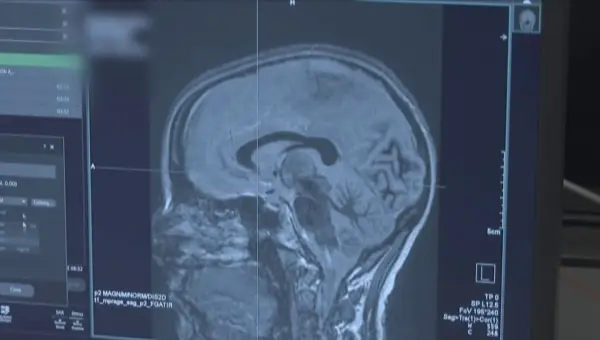
The surgery works by using MRI to pinpoint the exact part of the brain that isn’t working right. Then, ultrasound waves are used to treat that specific area. It’s a quick procedure with no cuts or incisions. Doctors are calling it a potential game-changer because it can be very effective.
Preventing Parkinson’s Disease
The twin doctors stressed the importance of prevention through healthy living. They recommend several steps:
- Clean Water: Use a filter for your drinking water.
- Clean Air: Consider air filters for your home and perhaps wear a mask when outside.
- Clean Eating: Choose organic foods and those without pesticides.
- More Sleep: Aim for adequate sleep, as it helps reduce inflammation and clear toxins from the brain.
- Exercise: Regular physical activity can help the brain produce dopamine, a chemical that controls movement and mood.
These practices aim to reduce inflammation and protect brain cells. Clean living, combined with exercise and good sleep, is presented as the best defense against developing Parkinson’s disease.
Global Impact
The rising rates of Parkinson’s disease and the development of new treatments have significant global implications. As populations age worldwide, the number of people affected by neurodegenerative diseases like Parkinson’s is expected to grow. This will place a greater burden on healthcare systems and economies.
The success of treatments like MRgFUS could offer new hope to millions. However, access to such advanced medical technologies may be limited, especially in developing countries. This could create disparities in care. The focus on lifestyle factors also highlights the need for public health initiatives promoting healthier living worldwide to potentially slow the spread of the disease.
Looking Ahead
With cases projected to double by 2040, research into the causes and prevention of Parkinson’s is more critical than ever. While the exact reasons for the surge are still being studied, the link to environmental factors and lifestyle choices is a major area of focus. Continued advancements in medical technology, like the non-invasive surgery, offer promising avenues for managing the disease and improving the quality of life for those affected.
Source: Terry Crews' wife reveals Parkinson's diagnosis. Twin doctors weigh in (YouTube)

Related Articles
New Brain Tech Offers Hope for Parkinson’s Patients
A new adaptive Deep Brain Stimulation (DBS) technology is transforming the lives of Parkinson's patients. This advanced system adjusts electrical pulses in real-time to better manage symptoms. Early results show significant improvements in daily function and quality of life, offering renewed hope for many.


Parkinson’s Cases Surge, New Hope Emerges
Parkinson's disease cases have surged by 50% in 30 years, with predictions of doubling by 2040. Rebecca King Crews's recent non-invasive surgery offers new hope. Experts stress lifestyle changes for prevention amidst rising global health concerns.


Germany’s Castles, Pretzels, and Young Dreamers
A look at German online discussions reveals a fascination with castles and pretzels, alongside concerns about young people leaving and debates over healthcare policy. These posts offer a unique glimpse into modern German life.