Return of the King: A Brutal, Beloved Epic
The epic conclusion to Peter Jackson's Lord of the Rings trilogy, 'The Return of the King,' remains a cinematic masterpiece. Released in 2003, it achieved massive box office success and a historic 11 Oscar wins, including Best Picture. The film is celebrated for its breathtaking scope, emotional depth, and the triumphant, hard-won victory against Sauron.

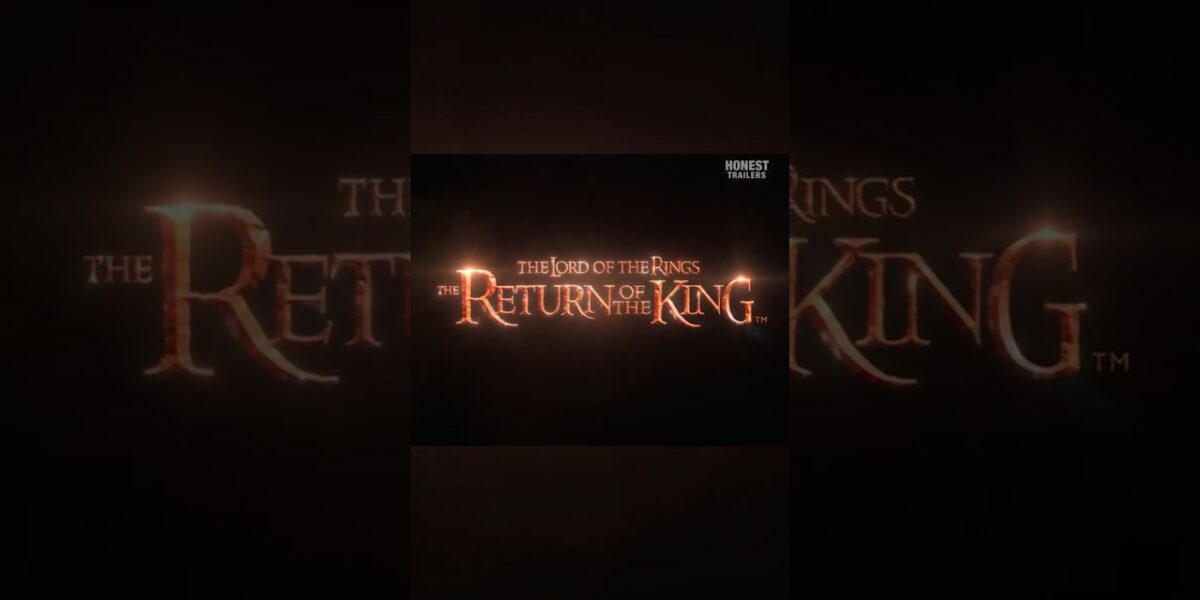
Return of the King: A Brutal, Beloved Epic
Peter Jackson’s The Lord of the Rings: The Return of the King isn’t just a movie; it’s an event. The 2003 epic conclusion to the groundbreaking fantasy saga, based on J.R.R.
Tolkien’s seminal work, stormed the box office and swept the Academy Awards, cementing its place in cinematic history. Despite its nearly three-and-a-half-hour runtime and a relentless barrage of harrowing battles, the film remains a fan favorite, celebrated for its emotional depth, stunning visuals, and the triumphant, albeit hard-won, culmination of Frodo and Sam’s perilous journey.
A Near-Perfect Swan Song
Released on December 17, 2003, The Return of the King was the culmination of a decade of planning and three years of grueling production in New Zealand. The film shattered box office records, ultimately grossing over $1.146 billion worldwide, making it the highest-grossing film of 2003 and, at the time, the second-highest-grossing film of all time. Its critical reception was equally monumental.
The film garnered an astonishing 11 Academy Award nominations, including Best Picture, and miraculously took home all 11, tying the record set by Ben-Hur and Titanic. This sweep included wins for Best Director for Peter Jackson, Best Adapted Screenplay, and Best Supporting Actor for Sean Astin’s deeply moving portrayal of Samwise Gamgee.
The Final Push Against Darkness
The Return of the King picks up where The Two Towers left off, chronicling the final stages of the War of the Ring. Aragorn (Viggo Mortensen) embraces his destiny as the rightful King of Gondor, rallying the forces of men against the overwhelming might of Sauron’s armies.
Meanwhile, Frodo Baggins (Elijah Wood) and his loyal companion Samwise Gamgee (Sean Astin) continue their desperate trek through the treacherous lands of Mordor to destroy the One Ring in the fires of Mount Doom. The film masterfully juggles these parallel storylines, building to an explosive and emotionally resonant climax.
Key Moments and Unforgettable Performances
The film is packed with iconic moments that have become ingrained in pop culture. From Aragorn’s rousing speech to his troops before the Battle of the Pelennor Fields (“For Frodo!”) to the haunting visage of the Witch-king of Angmar and the sheer scale of the siege of Minas Tirith, the visual storytelling is breathtaking. Viggo Mortensen delivers a commanding performance as Aragorn, finally stepping into his regal role with gravitas and fierce determination.
Ian McKellen as Gandalf provides wisdom and unwavering hope, while Sean Astin’s Samwise Gamgee is the beating heart of the film, his loyalty and courage in the face of unimaginable despair earning him widespread acclaim. Even the supporting cast, including Orlando Bloom as Legolas, John Rhys-Davies as Gimli, and Andy Serkis as the tormented Gollum, deliver performances that are both powerful and nuanced.
A Franchise Defined
The Lord of the Rings trilogy, produced by New Line Cinema, was a massive gamble. Adapting Tolkien’s dense and beloved novels was a daunting task, but Jackson’s vision, coupled with a dedicated cast and crew, proved to be a masterstroke.
The films revitalized the fantasy genre, proving that epic storytelling on a grand scale could achieve both critical and commercial success. The trilogy’s impact is undeniable, influencing countless films and television shows that followed, and its influence continues to be felt today, especially with the recent success of Amazon’s prequel series, The Rings of Power.
Audience and Critical Consensus
Audiences have consistently ranked The Return of the King among the greatest films ever made. Its blend of epic action, profound emotional stakes, and satisfying resolution makes it a definitive cinematic experience. Critics lauded its technical achievements, particularly the groundbreaking visual effects that seamlessly integrated massive armies and fantastical creatures.
The film’s ability to balance spectacle with intimate character moments was also frequently praised. While some minor criticisms have been leveled at the film’s multiple endings, the overwhelming consensus is that The Return of the King is a masterful achievement and a fitting, triumphant conclusion to one of cinema’s most ambitious and beloved sagas.
The Legacy Continues
More than two decades after its release, The Lord of the Rings: The Return of the King continues to captivate audiences. Its enduring popularity is proof of the power of Tolkien’s story and Jackson’s masterful adaptation.
The film stands as a monument to epic filmmaking, a reminder of the magic that can happen when ambition, talent, and passion converge to create something truly extraordinary. It’s a film that reminds us of the importance of friendship, courage, and the enduring hope that even in the darkest of times, good can ultimately prevail.
Source: Honest Trailers | The Lord of the Rings: The Return of the King (YouTube)

Related Articles

Oscar Winners’ Wildest Cameos: From Barbie to Borat!
From Matthew McConaughey voicing a cowboy to Tom Hanks facing Borat's cough, Oscar winners are increasingly making surprising, hilarious cameos. Discover the wildest appearances that shook up the silver screen.

Oscar Winners Whose Careers Crashed and Burned
From Oscar wins to public scandals and legal battles, several acclaimed figures in Hollywood have seen their careers take a nosedive. Discover the stories of those who reached the pinnacle of success only to face dramatic downfalls.
Two Towers: A Glorious, Grimy Middle Chapter
The Lord of the Rings: The Two Towers, the middle chapter of Peter Jackson's epic saga, masterfully balanced multiple storylines, delivered breathtaking action, and showcased groundbreaking performances. A critical and commercial triumph, it solidified the franchise's legendary status.