Honda’s Engine Stop Button: A Dangerous Driving Mishap?
An accidental press and hold of a Honda's engine start/stop button while driving resulted in a complete engine shutdown, loss of power steering, and a difficult stop. This incident highlights potential safety flaws in modern vehicle interfaces.

Honda’s Engine Stop Button: A Dangerous Driving Mishap?
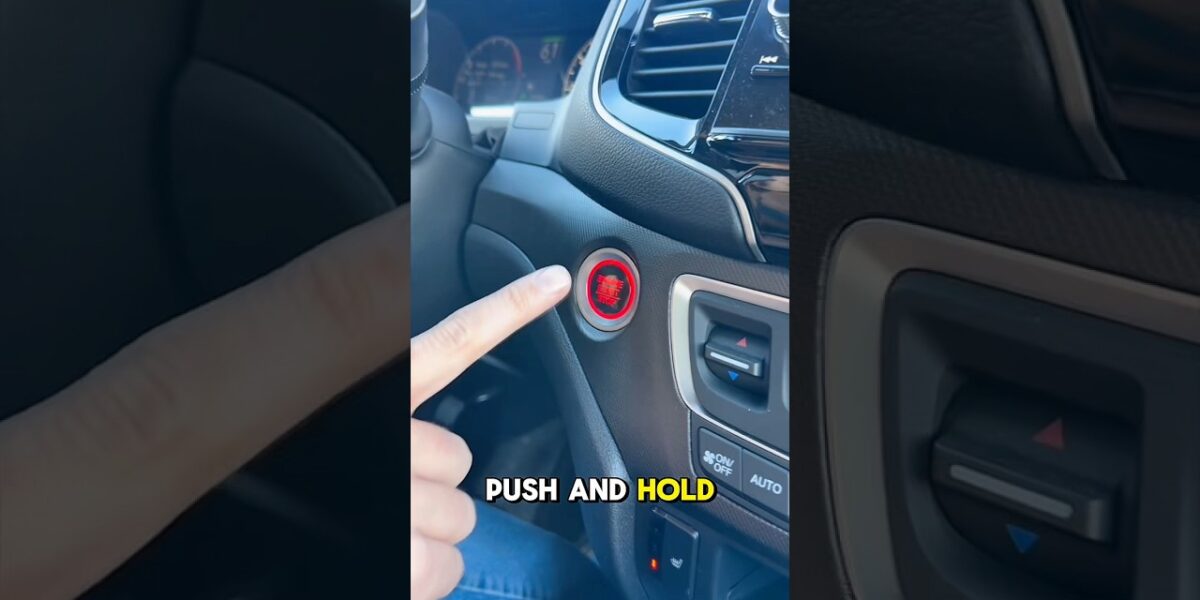
Imagine this: you’re cruising down the highway, perhaps distracted by a passenger or a fleeting thought, and your hand brushes against the engine start/stop button. A simple press might seem harmless, but what happens if you accidentally hold it down? In a recent demonstration with a Honda vehicle, the results were alarming, highlighting a potentially dangerous flaw in the design of modern vehicle interfaces. Pushing the engine stop button while driving on the highway, even for a few seconds, can lead to a complete shutdown of the engine and critical systems, leaving the driver with a suddenly unresponsive and difficult-to-control vehicle.
The Unfolding Scenario
The test began innocently enough. Pressing the engine stop button on the Honda while in motion triggered a blinking light and a warning message on the dashboard display. This initial reaction might lead some to believe the system is designed with safeguards. However, the true danger emerged when the button was held down for more than two seconds. This action initiated a complete engine shutdown.
Immediate Consequences
The repercussions were immediate and severe. The instrument cluster, which displays vital information like speed, RPMs, and fuel levels, went completely dark. This loss of critical data leaves the driver effectively blind to the car’s operational status. Simultaneously, the climate control system also shut down, plunging the cabin into darkness and silence, save for the lingering hum of the now-off engine.
Steering and Braking Under Duress
Perhaps the most concerning aspect of the demonstration was the impact on the vehicle’s control systems. While the center infotainment screen remained operational, the loss of engine power meant that power steering ceased to function. The driver reported that steering became incredibly difficult, requiring significant physical effort to maneuver the vehicle, especially at highway speeds. Similarly, while the brakes likely retained some residual hydraulic pressure for immediate stopping, the absence of engine-driven power assistance would have made braking significantly harder and less effective. This combination of compromised steering and braking creates a perilous situation, drastically increasing the risk of an accident.
Automatic Park Engagement
As the vehicle came to a complete stop, a final safety feature engaged: the transmission automatically shifted into park. While intended as a safety measure to prevent the car from rolling, this automatic engagement in a critical situation further emphasizes the severity of the system’s failure. It signifies that the vehicle’s computer has deemed the situation so dire that it must take control, highlighting the potential for unintended and potentially dangerous automated actions.
Implications for Modern Vehicles
This demonstration raises serious questions about the design and implementation of engine start/stop buttons in modern vehicles. While intended for fuel efficiency and reduced emissions, the ease with which a driver can inadvertently shut down the entire powertrain is deeply concerning. The lack of a more robust safety interlock – perhaps requiring a deliberate, sustained action or a confirmation prompt – leaves a significant vulnerability.
Target Buyer and Value Proposition
While this specific incident doesn’t relate to a particular model’s performance or value in the traditional sense, it highlights a critical safety consideration for all potential car buyers. The focus on features like engine start/stop buttons, while appealing for their environmental benefits and potential cost savings on fuel, must not come at the expense of fundamental driving safety. Buyers should be aware of how their vehicle’s systems function, especially in emergency scenarios. The value of any vehicle is diminished if its core safety systems can be so easily compromised through user error, no matter how unintentional.
Recommendations for Manufacturers and Drivers
Manufacturers need to re-evaluate the design of these critical controls. A simple two-second press should not be enough to disable a vehicle’s primary functions while in motion. Clearer labeling, tactile feedback, and perhaps even a secondary confirmation step could prevent such dangerous situations. For drivers, this serves as a stark reminder to be aware of their vehicle’s controls and to exercise caution, especially when interacting with buttons located near the gear selector or steering wheel while driving. A moment of distraction could have severe consequences.
Conclusion
The accidental activation of a Honda’s engine stop button while driving is a wake-up call for the automotive industry. It underscores the need for a thorough review of user interface design, prioritizing safety above all else. While the technology aims to improve efficiency, it must not compromise the fundamental ability of a driver to control their vehicle. This incident, while a specific demonstration, serves as a cautionary tale for all drivers and a challenge to manufacturers to ensure their innovations enhance, rather than endanger, the driving experience.
Source: Pushing the power button while driving (YouTube)

Related Articles

Hyundai Palisade’s Driver Assist Struggles on Tough Test
The 2026 Hyundai Palisade XRT Pro's Highway Driving Assist (HDA) system was put to the test and scored a low 30 points. While capable on straighter roads, it struggled with right-hand curves, requiring driver intervention. This highlights the system's limitations as an assist feature rather than a fully autonomous solution.


Nvidia’s Self-Driving Tech Powers LA Test Drive
Nvidia's L2++ autonomous driving platform was tested in a real-world LA drive, showcasing its sensor fusion and decision-making capabilities. The company plans a nationwide rollout and Level 4 robo-taxi services, signaling strong progress in the autonomous vehicle market.

Toyota Prius: Haters Silenced, Hybrid King Lives On
The Toyota Prius, once a symbol of environmentalism and later a target of criticism, has evolved into a sophisticated hybrid. Toyota's long-term investment in hybrid technology has made the Prius and its brethren reliable and affordable, solidifying their place in the market.