Global Birth Rates Plummet to ‘Extinction Level’
Global birth rates have fallen to critically low levels, with many European countries experiencing rates far below the replacement threshold. This demographic shift poses significant economic and societal challenges for the future.


Global Birth Rates Plummet to ‘Extinction Level’
A stark warning has been issued regarding global demographic trends, with birth rates in many developed nations falling to levels that threaten long-term population sustainability. The data suggests a significant crisis is unfolding, with implications for economies, societies, and the very future of humanity.
The Alarming Decline
Recent analyses indicate that numerous European countries are experiencing birth rates between 1.1 and 1.4 children per woman. This figure is critically below the replacement level, which is generally considered to be around 2.1 children per woman. The replacement level is the rate at which a population would remain stable, accounting for deaths. Falling below this threshold means that, without immigration, the population will inevitably shrink over time.
This trend is not isolated to Europe. Similar patterns of declining fertility rates are being observed in many industrialized nations across the globe. Factors contributing to this phenomenon are complex and multifaceted, often including economic pressures, changing societal norms, increased access to education and career opportunities for women, and delayed parenthood.
Economic and Societal Ramifications
The consequences of sustained low birth rates are profound. Economically, shrinking populations can lead to a smaller workforce, increased dependency ratios (more elderly people relying on a smaller working-age population), and reduced consumer demand. This can strain social security systems, healthcare services, and overall economic growth.
Societally, a declining population can alter the age structure of communities, potentially leading to fewer young people to fill essential roles in the future. It can also impact cultural vitality and innovation, as younger generations often drive new ideas and perspectives.
A Call to Action Amidst Despair
While the data paints a grim picture, there is a call to resist despair and to actively seek solutions. The speaker emphasizes the importance of understanding these challenges to effectively address them, rather than succumbing to a sense of hopelessness. The notion of being ‘black-pilled’ – a term used to describe a state of deep pessimism and resignation – is presented as a dangerous pitfall that hinders proactive engagement with these critical issues.
The urgency of the situation requires a concerted effort to understand the root causes and to explore potential interventions. These could range from government policies aimed at supporting families and encouraging childbirth, to broader societal shifts that make it more feasible and desirable for individuals to have children.
Looking Ahead
The demographic crisis highlighted by these low birth rates is a significant global challenge. Addressing it will require innovative thinking, international cooperation, and a willingness to confront uncomfortable truths about the future trajectory of human populations. The conversation needs to move beyond acknowledging the problem to actively formulating and implementing strategies that can ensure a sustainable and thriving future for generations to come.
Source: Do you realise this about the world? (YouTube)

Related Articles

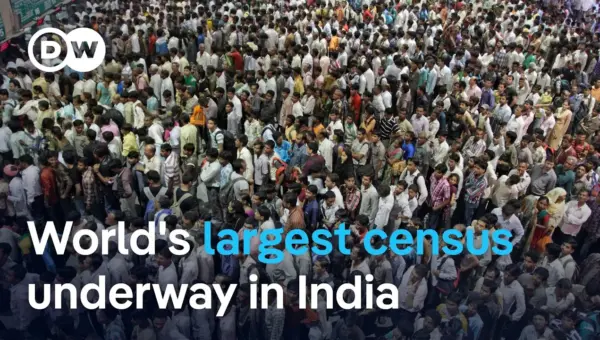
India Counts 1.4 Billion: Census to Reshape Nation’s Future
India has launched its largest-ever national population count, aiming to accurately measure its over 1.4 billion people. The census, delayed by the pandemic, will use digital forms and mobilize millions of workers. Results are expected to reshape political representation and resource allocation, offering insights into urbanization, migration, and gender dynamics.


Russia Faces Unfixable Societal Collapse
Russia's war in Ukraine has triggered a catastrophic demographic collapse, with the loss of over 1.3 million men. This deepens existing societal wounds and threatens the country's economic stability and future.


Demographics Shift: Homeownership Dreams Fade for Young Buyers
Young Americans face a steep climb to homeownership due to high prices and demographic shifts. As Baby Boomers age out of the market, demand remains, while the availability of capital for loans may decrease, potentially keeping financing costs high for first-time buyers.