Trump’s Economy Sputters: Job Losses, War Fears Shake Markets
The U.S. economy is facing a significant downturn with 92,000 jobs lost in February and the unemployment rate rising to 4.4%. Simultaneously, the escalating war in Iran is roiling energy markets, pushing oil prices up and stocks down, raising concerns about global economic stability.

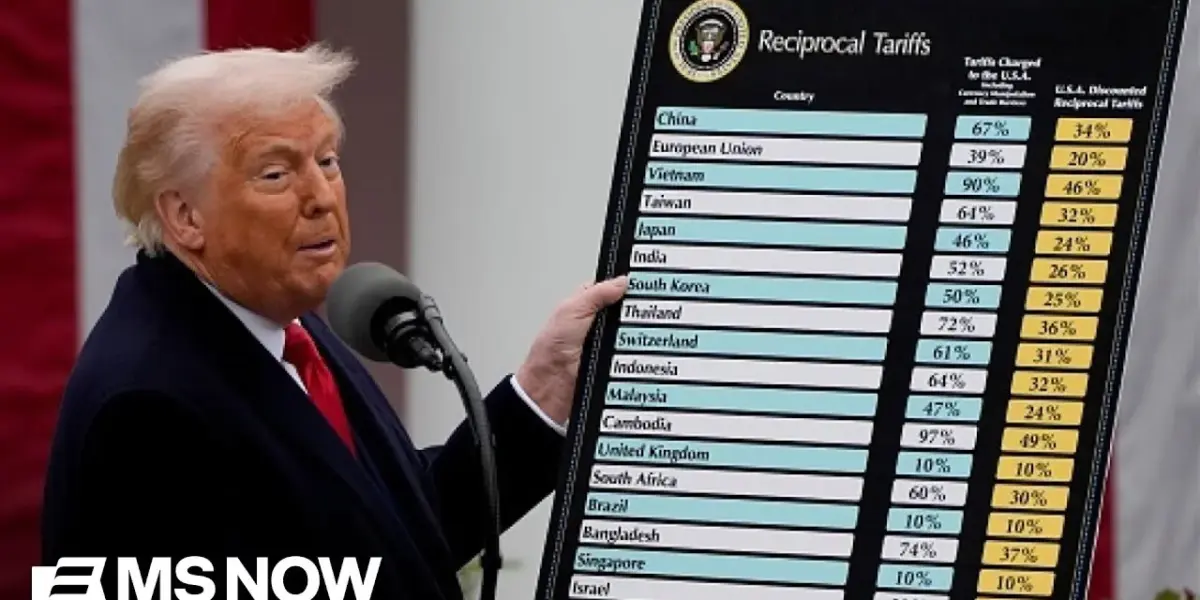
Economy Suffers Setback as Jobs Decline, War Rattles Markets
The U.S. economy has delivered a sobering blow, with the latest jobs report revealing a significant loss of 92,000 positions in February. This unexpected downturn has pushed the unemployment rate to 4.4 percent, a concerning uptick that appears to have caught the White House off guard. While administration officials have attempted to attribute the decline to factors such as weather and West Coast strikes, the stark reality of job losses is casting a shadow over economic forecasts, particularly with a costly and undefined war in the Middle East escalating tensions.
Job Market Contraction: A Surprise to the White House
The February nonfarm payroll report, a key indicator of economic health, showed a deficit of 92,000 jobs, a figure described as a “biggie” by analysts. This negative number stands in contrast to earlier optimistic projections and has led to a rise in the unemployment rate.
The White House’s response, suggesting the data was influenced by external factors like weather and labor disputes, has been met with skepticism. Critics argue that the economic performance is indicative of deeper issues, with some pointing to policy missteps as a contributing factor.
“The truth is that AI is not yet having a market impact on the economy. A second truth is it will. Absolutely, we should be preparing, we should be debating the issues at length. But if you look at data on how many companies have been fundamentally transformed by the emergence of AI, my university has not, MS now has not, and the folks at home know that their lives have not yet, yet been fundamentally changed.”
Economists are highlighting that the current situation is not the robust economy that was anticipated. The unemployment rate, which had previously dipped as low as 3.5 percent, is now drifting upwards. This trend is particularly concerning for young people entering the workforce, as a “no-hire, no-fire” economy can limit opportunities for recent graduates.
Iran War’s Economic Fallout: Oil Prices Surge, Stocks Plummet
Adding to the economic woes, the ongoing conflict with Iran is creating significant instability in global energy markets. The price of oil has surged, leading to a corresponding decline in stock markets, with the S&P 500 now registering negative territory for the year 2026.
The situation has prompted dire warnings from international energy officials, with Qatar’s Energy Minister cautioning of “catastrophic consequences for the global economy” if the conflict persists. He noted that a prolonged war could significantly impact GDP growth worldwide.
The immediate impact on consumers is already evident, with the average price of gasoline across the country rising by 34 cents in just the last week. This surge in energy costs is a direct consequence of the geopolitical tensions and the potential for further disruptions in oil supply. The administration’s response, characterized by a dismissive attitude towards rising gas prices, has drawn criticism for a perceived lack of empathy for the financial strain on ordinary Americans.
Political Ramifications: Midterm Concerns and Voter Sentiment
With the midterm elections approximately nine months away, the deteriorating economic conditions present a significant challenge for the current administration. The Republican party, which had previously touted economic strength, now faces scrutiny over job losses and rising inflation. Analysts suggest that voters are feeling the pinch of higher prices for essentials like groceries and housing, a sentiment that could drive turnout in upcoming elections.
The political discourse is increasingly focusing on how these economic issues will resonate with voters. Special elections have shown a potential for increased Democratic and independent motivation to vote against the incumbent party, particularly in districts that were previously considered safe Republican territory. The focus for candidates, it is argued, must shift towards demonstrating empathy and offering actionable solutions to improve the lives of constituents.
“People feel it in their wallets over a year ago, Jason. Look, the reality is this Trump administration is in and Republicans have been behind drastic changes that impacted people’s wallets, whether that’s ending healthcare subsidies, which absolutely raised the rate that people are paying, or the struggle that they’re having with housing costs, grocery costs, it’s a laundry list and I think we’ve seen that show up in especially special elections.”
Debating the Causes: Policy Blunders vs. Technological Shifts
The debate over the causes of the economic slowdown is complex. While some attribute it to external factors like the war and global events, others point to domestic policy decisions and trade strategies, such as tariffs, as significant contributors. The argument that emerging technologies like Artificial Intelligence (AI) are responsible for job losses is also being discussed, though experts caution against overstating AI’s current market impact.
Economists emphasize that while AI will undoubtedly reshape the economy in the future, its widespread impact on job displacement is not yet a primary driver of the current downturn. The focus remains on the immediate economic indicators: job creation, inflation, and market stability. The administration faces the challenge of addressing these concerns and convincing voters that their policies will lead to a more stable and prosperous future.
Looking Ahead: Empathy and Solutions in a Challenging Climate
As the nation navigates these turbulent economic waters, the path forward will likely depend on the administration’s ability to address voter concerns with empathy and concrete solutions. The combination of job market weakness and geopolitical instability creates a complex landscape. The upcoming months will be critical in observing how political strategies adapt to these economic realities and whether the current trends will significantly influence voter sentiment leading up to the November elections.
Source: 'Tired of losing': Trump rocked by 'ugly' job market as Iran war shocks market & MAGA crashes out (YouTube)

Related Articles

Trump Officials Cite Religion to Justify Iran War
As the war in Iran enters its second month, Trump administration officials are increasingly using religious language to justify the conflict. Pete Hegseth has been notably vocal in framing the war as a spiritual battle. This approach raises questions about the administration's motivations and the broader implications for foreign policy.

Trump’s Cabinet Woes: FBI Director Sued, Labor Secretary Resigns
FBI Director Cash App P. Patel is suing The Atlantic over misconduct allegations, while Labor Secretary Lorie Chavez-DeRemer has resigned amid an investigation. Meanwhile, Robert F. Kennedy Jr. faces backlash for controversial remarks about Black children, and Donald Trump's claims of winning a war are questioned by lawmakers.

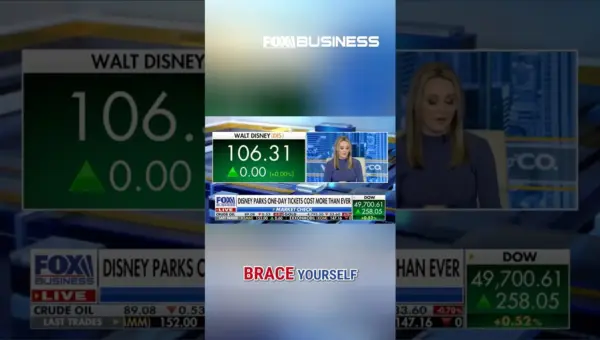
Disney Tickets Top $200, Signaling Pricing Power
Disney single-day park tickets have now surpassed $200, with top prices reaching $224 at Disneyland and $209 at Walt Disney World. This move highlights the company's strong pricing power and a strategic shift towards prioritizing its high-return parks division.