Trump’s War on Iran Fuels Oil Crisis, Betrays Promises
Donald Trump's foreign policy decisions have plunged the US into an energy crisis, directly contradicting his campaign promises of lower gas prices and peace. The analysis explores the hypocrisy and pattern of broken promises, questioning the true beneficiaries of his administration.

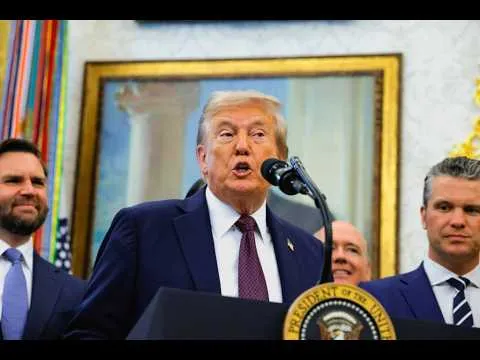
Trump’s War on Iran Fuels Oil Crisis, Betrays Promises
In a move that has sent shockwaves through global markets and ignited public frustration, former President Donald Trump’s administration has been implicated in a significant surge of oil prices, a direct consequence of escalating tensions with Iran. This development starkly contrasts with Trump’s own campaign rhetoric, which promised energy independence and lower gasoline costs for American consumers. The current situation, characterized by oil prices soaring to multi-year highs, has been labeled the “most severe energy crisis since the 1970s” by The Wall Street Journal, a publication not typically aligned with liberal viewpoints.
A Campaign Built on Lower Prices and Peace
During his 2016 presidential campaign, Donald Trump repeatedly pledged to unleash American energy production and bring down the price of gasoline. His rallying cry, “drill baby drill,” was a consistent theme, promising voters that they would “spend a lot less money for your for your gasoline.” Beyond economic promises, Trump also positioned himself as a candidate of peace, vowing to end “forever wars” in the Middle East and bring about an era of “no more wars, no more disruptions.
We will have prosperity and we will have peace.” He famously declared, “I’m not going to start a war. I’m going to stop wars.”
The Unfolding Crisis: A Voluntary Choice?
Following his election, however, the narrative took a sharp turn. The administration initiated actions that led to conflict in the Middle East, which in turn triggered a significant spike in oil prices. This chain of events directly contradicts Trump’s earlier promises.
The transcript suggests that this crisis was an “unforced error,” citing that even the Trump administration conceded that no imminent attack by Iran on the United States was in the works. This implies that the decision to engage in actions that precipitated the oil price surge was a voluntary one, leading to an energy crisis that could have otherwise been avoided.
Historically, presidents have often been blamed for fluctuations in gas prices, regardless of their direct impact. For instance, rising prices under the Biden administration were attributed to a confluence of external factors, including post-pandemic demand, global inflation, and the war in Ukraine.
While presidents often bear the political brunt, the actual influence on global oil prices is frequently limited. However, the current situation is presented as a rare instance where a president’s direct actions appear to be the primary driver of high gas prices.
Hypocrisy and Broken Promises
The reaction from the Republican party to the current energy crisis has been met with accusations of hypocrisy. While the party has historically shown a strong aversion to policies that could potentially increase energy costs, many have adopted a remarkably forgiving stance towards the current situation. Phrases like “short-term pain for long-term gain” have become a common refrain.
This is juxtaposed with their strong opposition to mask mandates during the COVID-19 pandemic, which were framed as an extreme sacrifice. The argument presented is that the same individuals who vilified public health officials for requesting relatively minor inconveniences are now readily accepting significant economic hardship resulting from a conflict they were promised would be avoided.
The analysis draws a parallel between Trump’s predictions regarding the current oil prices and his early handling of the COVID-19 pandemic. In 2020, he assured the public that the virus was “totally under control.” The subsequent reality, with millions of deaths, calls into question his ability to accurately predict future outcomes, especially when his own policies are the influencing factor.
A Pattern of Unfulfilled Pledges
The surge in oil prices and the apparent betrayal of campaign promises are presented not as anomalies, but as part of a larger pattern of unfulfilled pledges throughout Trump’s political career. The transcript lists a litany of promises from his first term that allegedly never materialized, including an infrastructure law, a more affordable and comprehensive healthcare plan, middle-class tax cuts, a jobs boom, and a manufacturing renaissance. The pattern is said to have continued into his current term, with promises of reduced costs for groceries and rent, and accountability for victims of Jeffrey Epstein, also reportedly unmet.
The core argument is that Donald Trump’s presidency is characterized by a disconnect between his rhetoric and his actions, with a consistent focus on personal gain and legacy rather than serving the interests of his constituents. The analysis suggests that his promises were merely a means to secure votes, and once elected, his priorities shifted. The transcript posits that Trump’s net worth has increased significantly while his supporters are left contending with rising gas prices, framing it as a situation where supporters are sacrificing for him, rather than the other way around.
Why This Matters
This situation highlights a critical disconnect between political promises and policy outcomes, with tangible economic consequences for everyday citizens. The apparent contradiction between Trump’s campaign pledges of lower gas prices and peace, and the current reality of soaring energy costs and geopolitical conflict, raises fundamental questions about accountability and the nature of political leadership.
It highlights the importance of scrutinizing campaign rhetoric against actual policy decisions and their real-world impacts. The analysis suggests that voters who supported Trump based on his promises of economic relief and non-interventionist foreign policy are now facing the opposite.
Implications, Trends, and Future Outlook
The current events signal a potential trend where geopolitical actions, even those presented as necessary for security, can have immediate and severe economic repercussions. This can create a volatile environment for consumers and businesses alike. The analysis suggests that the political discourse surrounding such events is often polarized, with supporters quick to forgive perceived transgressions while critics highlight inconsistencies.
The future outlook may involve increased public scrutiny of presidential actions that impact the global economy and a greater demand for transparency regarding the rationale behind such decisions. The reliance on social media platforms for disseminating information and the potential for censorship or suppression of critical coverage, as mentioned in the transcript, adds another layer of complexity to how such narratives are shaped and consumed.
Historical Context
The current situation echoes historical instances where foreign policy decisions have significantly influenced domestic economic conditions, particularly energy prices. The 1970s oil crisis, triggered by OPEC’s oil embargo, is a clear reminder of the profound impact that international relations can have on a nation’s economy. While the causes are distinct, the outcome – a severe energy crisis impacting consumers – bears resemblance.
Trump’s approach also contrasts with historical trends where presidents have sought to de-escalate tensions in the Middle East to ensure stable energy supplies. His administration’s actions, therefore, represent a notable departure from such established foreign policy considerations.
Source: Trump goes FULL PANIC with INSANE announcement (YouTube)

Related Articles

Iran’s ‘New Cards’ Threat Risks Further Global Isolation
Iran's parliament speaker has threatened to reveal 'new cards,' but former Pentagon officials believe this will further isolate the regime. These potential moves, likely involving proxies or sleeper cells, are seen as a familiar but ineffective tactic. Investors are watching for potential escalation and its impact on regional stability and energy markets.
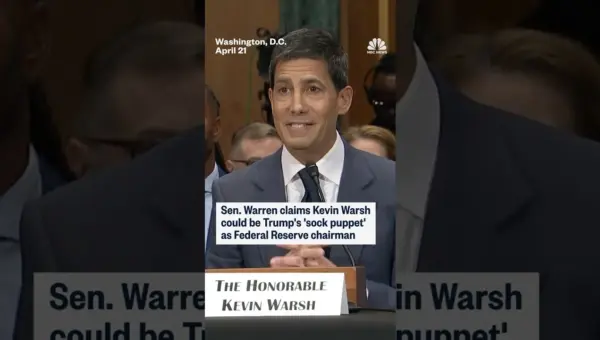
Warren Questions Fed Nominee’s Independence from Trump
Senator Elizabeth Warren questioned Federal Reserve nominee Kevin Warsh's independence from President Trump, suggesting he might act as a "sock puppet." Warren cited Trump's alleged remarks about controlling interest rates through his chosen nominee. Warsh attempted to distance himself from political questions during the hearing.
Trump’s Iran Claims Under Scrutiny After False Statements
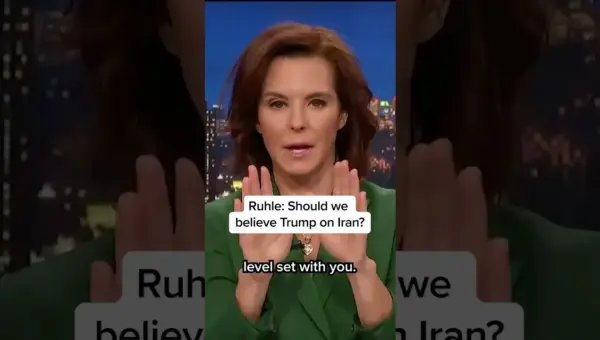
MSNBC anchor Stephanie Ruhle has called attention to several untrue statements made by President Trump regarding Iran over the past week. Ruhle's report fact-checked the President's claims, highlighting discrepancies and questioning the accuracy of information presented on a critical international issue. The segment stressed the importance of reliable information for public trust and informed decision-making.