Trump Eyes Election Control Amidst ‘Imperial Presidency’ Fears
Donald Trump is demanding the passage of the "Save America Act" as a condition for signing any legislation, sparking fears of election interference and legislative gridlock. Legal experts warn of an "imperial presidency" overreaching constitutional boundaries.

Trump Threatens Legislative Gridlock Over Election Bill
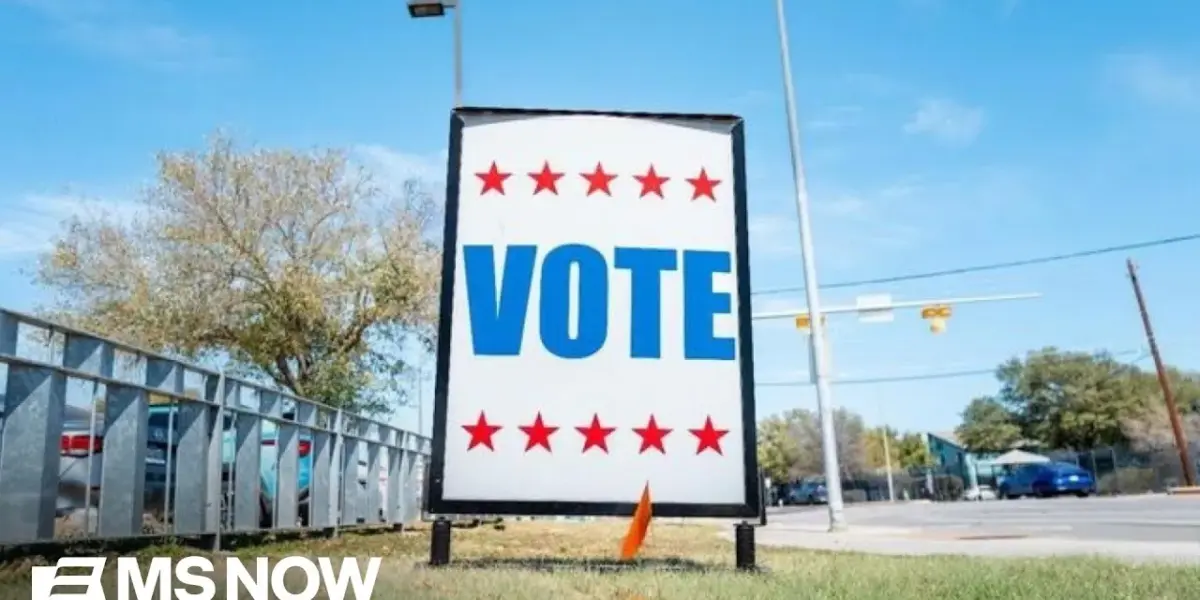
Former President Donald Trump is once again raising concerns about election integrity and federal control, this time by threatening to withhold his signature from any legislation until the controversial “Save America Act” is passed. Trump took to his social media platform, Truth Social, to declare his stance, asserting that he will not approve any further bills without the passage of this act, which critics argue could disenfranchise millions of American voters.
The proposed legislation has ignited a fierce political debate, with Senate Minority Leader Chuck Schumer swiftly responding on X (formerly Twitter). Schumer stated, “If Trump is saying he won’t sign any bills until the SAVE Act is passed, then so be it.
There will be total gridlock in the Senate. Senate Democrats will not help the SAVE Act under any circumstances.” This exchange highlights the deep partisan divide and the potential for significant legislative paralysis.
Targeting Swing States and Allegations of Voter Fraud
The push for the Save America Act comes as Republican efforts are reportedly intensifying in key swing states, including Arizona, Georgia, Michigan, and North Carolina. In these states, allegations of voter fraud are being amplified, and there is a concerted effort to gain greater control over the electoral process. All four of these states are set to host crucial Senate elections this year, the outcomes of which could determine the balance of power in the Senate.
Trump himself has publicly encouraged Republican efforts to assert control over elections. In a recorded statement, he suggested, “We want to take over. We should take over the voting in at least many 15 places.
The Republicans ought to nationalize the voting.” When pressed for clarification, he responded, “I want to see elections be honest. And if a state can’t run an election, I think the people behind me should do something about it.” These statements have fueled anxieties about a potential federal takeover of election administration.
Legal Scholar Warns of ‘Imperial Presidency’
James Sample, a professor of law at Hofstra University and author of the Substack newsletter “Who Decides?”, has voiced serious concerns about these developments, framing them within the context of an emerging “imperial presidency.” In a recent piece, Sample argued that the current administration’s actions, including Trump’s rhetoric, represent an attempt to circumvent the fundamental separation of powers enshrined in the U.S. Constitution.
“The founders set up a very clear system. It’s Sesame Street civics, bicameralism, presentment. The fact that you cannot get legislation through Congress, the SAVE Act, for example, does not empower the executive to then do it unilaterally under the guise of emergency powers.”
Sample elaborated on his concerns, pointing to a pattern of bypassing Congress and ignoring judicial rulings. “We have conservative judges going and writing opinions saying that they are seeing more court orders openly defied by federal agencies this year than they’ve seen in their entire career,” he stated. He warned that undermining the constitutional framework, even for perceived immediate gains, could have long-lasting detrimental effects on American democracy.
The Role of the Senate Filibuster
The discussion also delved into the complexities of the Senate’s legislative process, particularly the role of the filibuster. With only 53 Republicans in the Senate, passing the Save America Act would require overcoming the 60-vote threshold typically needed to end debate and bring a bill to a vote, due to the filibuster. This presents a significant hurdle, even if all Republicans were to support the bill.
Sample described the Senate itself as an “anti-democratic” institution by design, given its equal representation for states regardless of population. He further argued that the filibuster adds an “extra-anti-democratic layer,” making it exceedingly difficult to pass legislation in a body that already deviates from pure majoritarian principles. This reliance on supermajorities, he suggested, creates a precarious situation for democratic governance.
Concerns Over Emergency Powers and Election Interference
The conversation extended to the potential for presidential emergency powers to be invoked in relation to elections. The hypothetical scenario was raised: could a retaliatory terror attack, perhaps linked to U.S. Foreign policy, create an emergency situation that a president might exploit to alter election procedures?
Professor Sample acknowledged the concern but emphasized the legal limitations. “There is no delegation of constitutional power to the president of the United States to do anything vis-a-vis elections,” he asserted. “The states have that power and Congress has that power.” He referenced the National Emergencies Act, noting that any powers granted under such statutes are specific and curtailed, not a blank check for executive overreach into electoral matters.
To highlight the historical precedent for holding elections even in times of national crisis, Sample recalled Abraham Lincoln’s decision to hold the presidential election of 1864 amidst the Civil War. “Lincoln had the courage to hold a presidential election in the middle of the civil war,” Sample stated. “Donald Trump is threatening to take over elections because of a midterm election that he thinks will go badly for him based on the false pretenses of invented or perhaps created crises.”
Looking Ahead
As the political landscape continues to be shaped by these intense debates over election security, federal power, and the very definition of democratic processes, the actions and rhetoric surrounding the Save America Act and potential executive overreach will remain critical points of focus. The upcoming midterm elections, coupled with ongoing legal and political challenges to the electoral system, will undoubtedly test the resilience of American democratic institutions.
Source: “The Imperial Presidency.” Trump threatens election takeover (YouTube)

Related Articles
Trump Warns Iran: Bombing Could Start ‘Tomorrow’
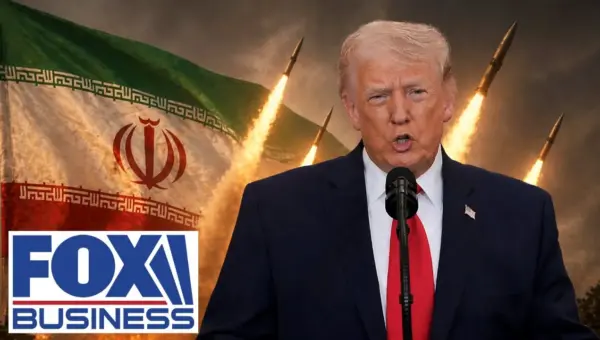
President Trump has signaled a tough stance on Iran, warning that he expects to be "bombing tomorrow" if a satisfactory deal isn't reached, with the current cease-fire set to expire. Despite the escalating rhetoric, financial markets have remained measured, seemingly pricing in a future resolution and a potential "peace dividend."
Warren Questions Fed Nominee’s Independence from Trump
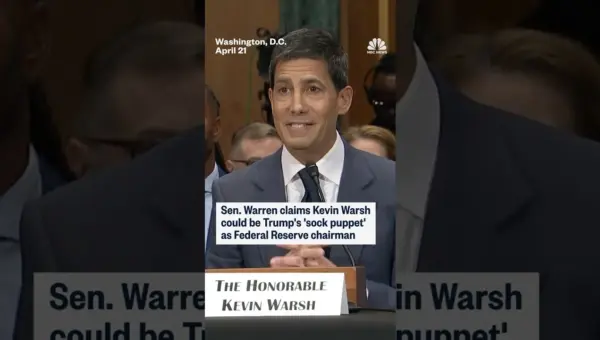
Senator Elizabeth Warren questioned Federal Reserve nominee Kevin Warsh's independence from President Trump, suggesting he might act as a "sock puppet." Warren cited Trump's alleged remarks about controlling interest rates through his chosen nominee. Warsh attempted to distance himself from political questions during the hearing.

Trump’s Iran Claims Under Scrutiny After False Statements
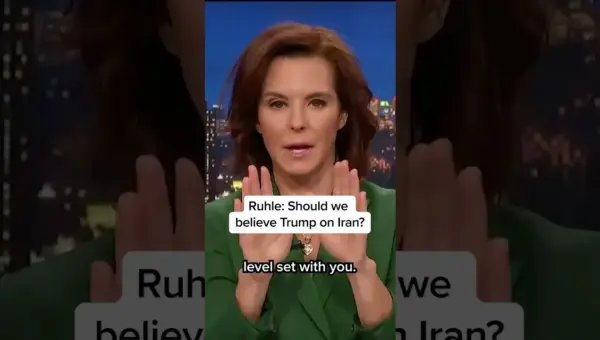
MSNBC anchor Stephanie Ruhle has called attention to several untrue statements made by President Trump regarding Iran over the past week. Ruhle's report fact-checked the President's claims, highlighting discrepancies and questioning the accuracy of information presented on a critical international issue. The segment stressed the importance of reliable information for public trust and informed decision-making.