Starmer’s Iran Stance Angers Trump, UK-US Allyship Strained
Prime Minister Keir Starmer's handling of the Iran crisis has reportedly strained relations with the US and President Trump, who criticized the UK's 'belated' involvement. Meanwhile, Iran faces internal turmoil with the selection of a new Supreme Leader amidst escalating regional attacks and intelligence breakthroughs.

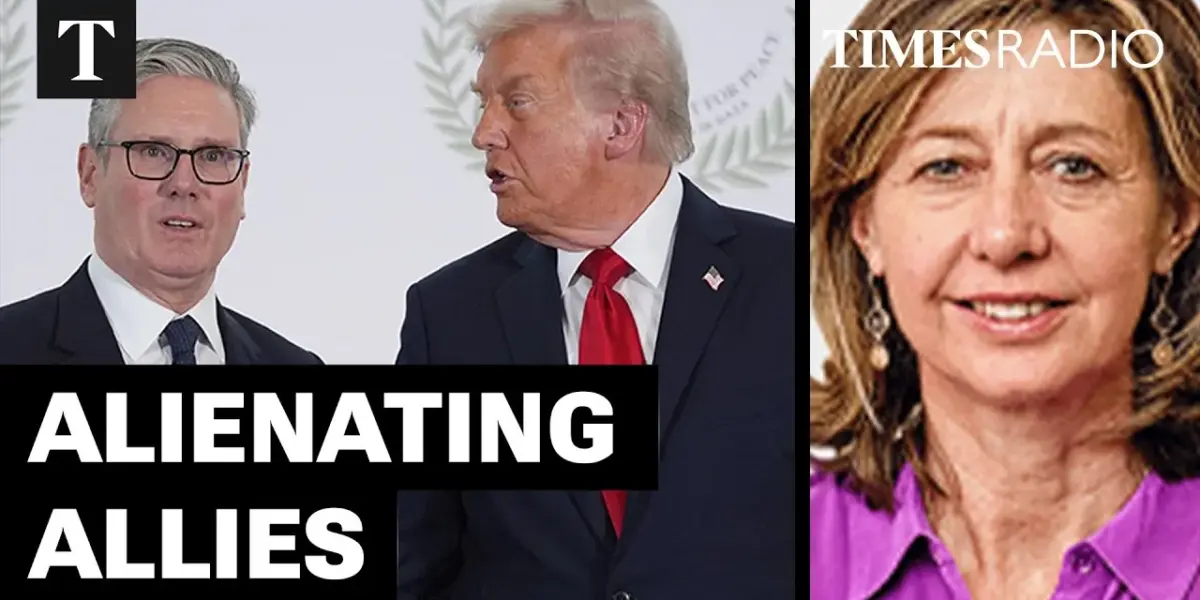
UK-US Tensions Rise as Starmer’s Iran Policy Draws Fire
In a significant diplomatic development, UK Prime Minister Keir Starmer’s handling of the escalating crisis in the Middle East has reportedly strained relations with a key ally, the United States, and specifically with President Donald Trump. The situation was underscored by a recent phone call between Starmer and Trump to discuss the Middle East and the use of UK military bases, a conversation that followed sharp criticism from the US President regarding the UK’s position on the ongoing conflict.
Trump Criticizes UK’s ‘Belated’ Involvement in Conflict
President Trump publicly stated, “We don’t need people that join wars after we’ve already won,” a remark widely interpreted as a jab at the UK’s perceived delayed or indecisive stance. Downing Street confirmed the call between Starmer and Trump, stating that the leaders discussed the volatile situation in the Middle East and military cooperation, including the use of Royal Air Force (RAF) bases in support of regional partners’ collective self-defense. However, the timing and context of this call suggest underlying diplomatic friction.
Starmer’s Balancing Act and Diplomatic Fallout
Christina Lamb, Chief Foreign Correspondent at The Sunday Times, offered insight into the delicate diplomatic tightrope Starmer appears to be walking. “Starmer has sort of ended up with the worst of all odds,” Lamb explained. “In some senses taking a sort of principled stand to not allow the bases to be used for the attack on Iran, but then ending up then using the bases for so-called defensive purposes and sending these carriers only for Trump to say, ‘Well, you’re too late.'”
Lamb elaborated on the perceived inconsistency: “If he’d actually done all these things and said, ‘We don’t agree with the war. We think this is an illegal invasion,’ and he might have got a lot of people supporting, but this just feels a bit ‘starish’ in like we’re not really doing one thing or another and going back on what was originally said and now your most important ally is clearly extremely unhappy about what you’ve done.” This perceived wavering has left the UK in an “unfortunate outcome,” despite Lamb understanding the initial reluctance to permit base usage.
Iran’s Internal Turmoil Amidst Escalating Attacks
The diplomatic tensions unfold against a backdrop of escalating conflict in the Middle East. Iran has reportedly chosen a new Supreme Leader to replace Ayatollah Khamenei, who was allegedly killed on the first day of the recent hostilities.
Meanwhile, missiles and drones continue to fly across the region, with Israeli strikes hitting fuel storage sites in Tehran, causing massive plumes of black smoke to rise over the capital. This comes despite earlier statements from Iran’s president indicating a cessation of attacks.
The intensity of the bombing campaign has reportedly worsened, with warnings issued for residents to stay indoors due to the potential for further, larger-scale strikes. The targeting of an oil depot has led to reports of “toxic rain,” creating perilous conditions on the ground.
“The bombing campaign is sort of got more intensive,” Lamb noted. “The last night from what people I’ve spoken to was the worst night so far and they’re being warned by the US to stay at home tonight.”
Succession Uncertainty and Regime Continuity
The identity of the new Supreme Leader remains a subject of speculation, with rumors pointing towards Ayatollah Khamenei’s son, Morteza, often referred to as the “Nepo Ayatollah.” Lamb suggested that his appointment would signal a lack of change within the regime. “If it is him, that I think will indicate that this regime hasn’t really learned anything that they’re just carrying on in the same way. If it was somebody different, maybe more moderate, that might suggest that they’re they’re trying to kind of change things a bit.”
The potential implications of this succession are significant, particularly for the people of Iran, and especially women, if a hardline ideology continues. There are also concerns that such a move could provoke further Israeli action, potentially with US support, against the new leadership, given the apparent effectiveness of intelligence operations that led to the demise of the previous leadership.
Intelligence Prowess and Unprecedented Surveillance
The effectiveness of current intelligence operations has been highlighted, with reports suggesting that Israeli intelligence, Mossad, may have infiltrated surveillance cameras within Tehran. “There’s this fascinating report that the Israelis had actually infiltrated the surveillance cameras inside Tehran,” Lamb revealed. “Of course, I mean, it’s a delicious irony because these cameras were put up for the regime to spy on its own people…
And so the Israelis are supposed to, Mossad is supposed to have penetrated this and be able to see what they were seeing… They said that they they knew Tehran as well as they knew Jerusalem.”
This level of intelligence gathering raises questions about potential moles within the Iranian regime and highlights the sophisticated capabilities of intelligence agencies operating in the region. The ability to track key figures, including the Supreme Leader and senior military leadership, suggests a deep understanding of the regime’s inner workings.
Looking Ahead: Regional Stability and Diplomatic Realignment
As the Middle East grapples with an intensifying crisis, the diplomatic fallout between the UK and the US over Iran policy will be closely watched. The succession of a new Supreme Leader in Iran, and the nature of their leadership, will be crucial in determining the future trajectory of the conflict and the potential for de-escalation. The ongoing revelations about intelligence capabilities could reshape regional security dynamics and the strategies employed by international actors.
Source: Iran Crisis: Starmer Alienates UK’s 'Most Important Ally' | Christina Lamb (YouTube)

Related Articles
Iran’s ‘New Cards’ Threat Risks Further Global Isolation
Iran's parliament speaker has threatened to reveal 'new cards,' but former Pentagon officials believe this will further isolate the regime. These potential moves, likely involving proxies or sleeper cells, are seen as a familiar but ineffective tactic. Investors are watching for potential escalation and its impact on regional stability and energy markets.
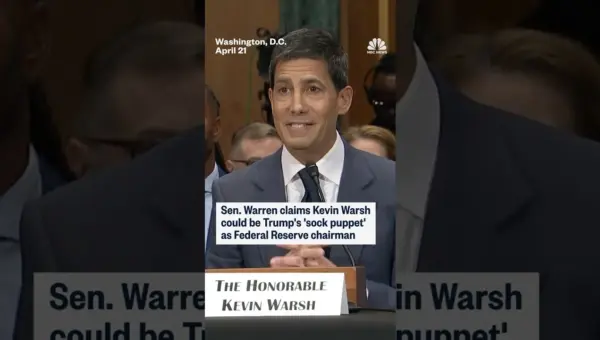
Warren Questions Fed Nominee’s Independence from Trump
Senator Elizabeth Warren questioned Federal Reserve nominee Kevin Warsh's independence from President Trump, suggesting he might act as a "sock puppet." Warren cited Trump's alleged remarks about controlling interest rates through his chosen nominee. Warsh attempted to distance himself from political questions during the hearing.
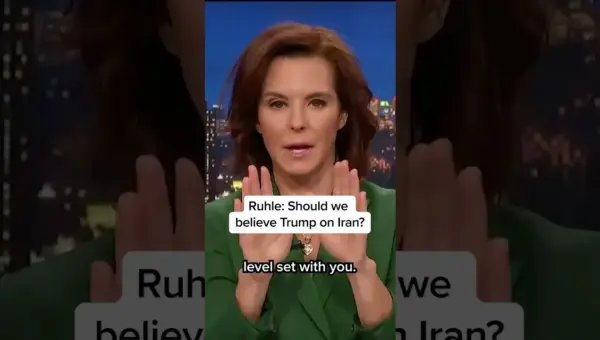
Trump’s Iran Claims Under Scrutiny After False Statements
MSNBC anchor Stephanie Ruhle has called attention to several untrue statements made by President Trump regarding Iran over the past week. Ruhle's report fact-checked the President's claims, highlighting discrepancies and questioning the accuracy of information presented on a critical international issue. The segment stressed the importance of reliable information for public trust and informed decision-making.