Iran Selects New Leader Amidst Secretive Succession and Israeli Threats
Iran's top clerical assembly has reportedly selected a successor to the late Supreme Leader Ayatollah Ali Khamenei, but the identity remains secret due to security concerns amid escalating Israeli threats. Israel has intensified attacks, targeting Iran's oil infrastructure for the first time, leading to toxic smoke blanketing Tehran.

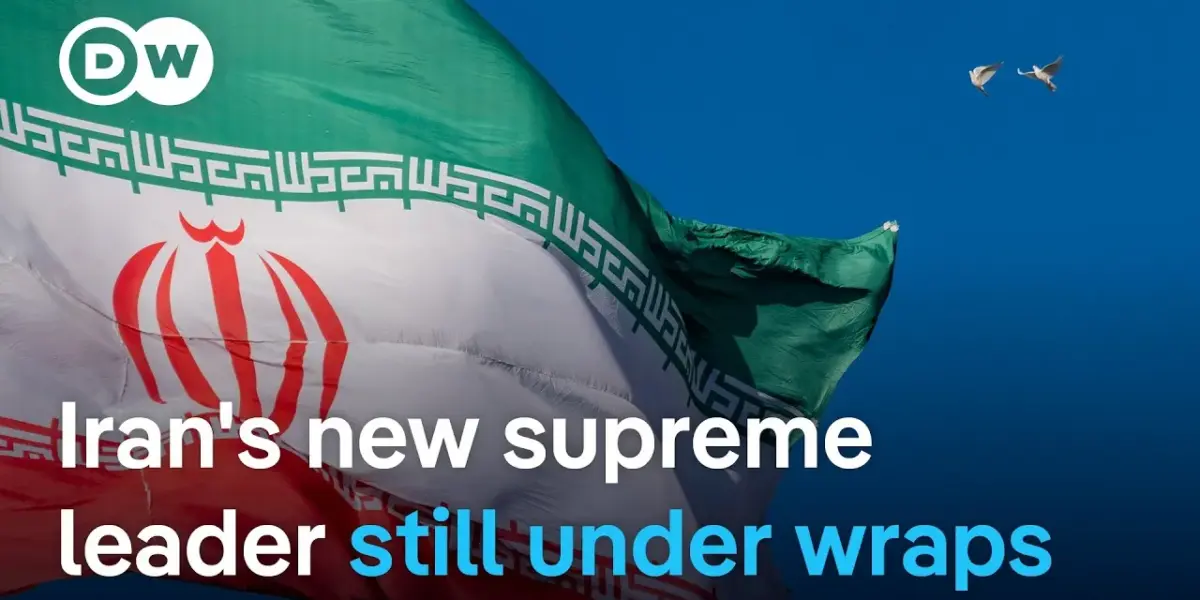
Iran’s Top Clerics Reportedly Choose Successor to Khamenei, Name Kept Secret
Tehran, Iran – Iran’s top clerical assembly has reportedly agreed on a successor to the late Supreme Leader Ayatollah Ali Khamenei, whose death was announced earlier this year. However, the identity of the new leader remains a closely guarded secret, with officials citing the current volatile geopolitical climate and security concerns as reasons for the delay in public announcement. This secretive transition unfolds against a backdrop of escalating tensions and direct military actions between Iran and Israel.
Israel Escalates Attacks on Iranian Oil Infrastructure
In a significant development, Israel has launched strikes targeting Iran’s fuel depots and oil infrastructure for the first time since the conflict began nine days ago. The attacks, which occurred in the capital, Tehran, blanketed the city in thick, toxic smoke, prompting residents to be advised to stay indoors due to potential health risks. Iran’s foreign ministry has vehemently condemned the strikes, labeling them a “war crime” and accusing Israel of “poisoning its citizens” through chemical warfare.
“Toxic smoke darkens the sky in Tehran after Israel launched attacks on several oil storage sites in the capital. It’s the first time Iran’s oil infrastructure has been targeted in the war.
Iran’s foreign ministry called the strikes chemical warfare. Residents were told to stay indoors as the fumes can cause damage to the eyes and lungs.”
Israeli Prime Minister Vows Unrelenting Strikes
The retaliatory measures come as Israeli Prime Minister Benjamin Netanyahu issued a stark warning, vowing to strike Iran’s rulers “without mercy.” He also extended an offer of amnesty to those who surrender. “We have an organized plan with lots of surprises to undermine the regime and enable change.
We have many more targets,” Netanyahu stated, adding a direct threat to the Revolutionary Guards: “To Iran’s Revolutionary Guards, those who oppress the Iranian people on the street, I tell you this, you are a target, too. Anyone who lays down their arms won’t be harmed.”
Despite these threats, Iran’s Revolutionary Guards claim they can sustain an intense war against Israel and the United States for up to six months. The exchange of fire has included Iranian missile launches that landed in southern Israel, while Iranian missiles aimed at Tel Aviv were intercepted.
Security Analyst: Security Paradigm Broken After Khamenei’s Elimination
Shaheen Madarez, an international security analyst with the Monitoring Jihadism Project, explained the significance of the secretive succession. “Within the system of the Islamic Republic, the fraction that has been responsible for the safety and security of the so-called supreme leader of the system, Ali Khamenei, who was killed during the US-Israeli attacks, is a fraction of the IRGC called ‘Seah’. We are talking about a specially designated fraction of the IRGC terrorists that were responsible for the life of Ali Khamenei,” Madarez stated.
He continued, “The moment that Khamenei was eliminated, we could say clearly that this has been broken, that the paradigm, the security paradigm that they were trying to follow… Is now broken. And considering that it was the highest level of security that the Islamic Republic could have provided, we can clearly say now that each and every member of the Islamic Republic that now lives is because they are allowed to live.
It’s not like they can hide. Now, this next leader being elected but not yet declared is exactly because of this. They know that this person will be right away eliminated by the US and Israeli attacks and they are trying to elongate this because apparently the option that they have chosen is not that different from Ali Khamenei.”
Madarez highlighted the inherent challenge of a leader remaining hidden: “How is it possible for a supreme leader to actually lead a country if everyone in Iran or nobody in Iran knows who that supreme leader is? That’s the problem for the Islamic Republic. As it appears, in a short time, eventually they have to declare who this chosen person is.
But even after that, I believe that they will not allow the person, the next supreme leader, as they call it, to be on ground. I mean, literally, that person will be hiding and will try to lead the Islamic Republic through hiding.”
Israel’s Strategy: Targeting the Regime’s Core
Shaunie Rosanes, a Middle East analyst for DW, elaborated on Israel’s strategy. “For Israel, it’s very clear. Anybody connected with the Al-Qaeda regime, with the current regime in Iran, is just not relevant.
They don’t want to see anybody connected to the regime staying in power,” Rosanes explained. “They’re also probably very much enjoy the idea of terror and fear among Iranian leaders… And showing the might that they have.
So, Israel is aiming for… There is no way for anybody associated with the current regime to be a good enough choice.
They don’t trust them. They don’t trust that they will not try to pursue rebuilding the ballistic and nuclear systems.”
US Involvement and Iranian Defiance
The United States has also signaled its involvement, with former President Donald Trump expressing a desire to participate in selecting Iran’s new leader. However, Iranian officials have remained defiant, asserting that the succession process is an internal affair.
“It’s nobody’s business. It’s our internal process,” officials reportedly stated, emphasizing that the country remains functional despite the delays in announcement.
Rosanes noted the potential disconnect between US desires and Iranian realities: “The Americans would like to have a more pragmatic leader. But we need to understand history have taught us anybody who will be acceptable to the Americans is probably never going to be accepted and welcomed by the people. Even those who are oppressed or who are opposition to the Iranian current Islamic regime, they want to have their independence.
They want to have their sovereignty. Anybody who will be picked by the West probably will have his days also very limited and his success very limited.”
Potential UAE Involvement and Regional Restraint
Reports have emerged suggesting the United Arab Emirates (UAE) may have joined the attacks, reportedly targeting desalination facilities in Iran. If confirmed, this would represent a significant escalation.
However, the UAE has stated its determination to protect its own interests and engage in self-defense. Rosanes commented on the reluctance of Gulf countries to escalate further, citing geographical proximity and the long-term threat posed by Iran.
“These are countries that are very close to Iran, very much smaller in their… Economic might but in their number of citizens,” Rosanes said. “They know that whatever happens after Trump is done with this war, they are still there and Iran is a giant country…
They have seen the might and the aggression of Iran in the past… They have no real intention in escalating and crossing some lines that will open this tab and make it an endless war.”
Looking Ahead: The Uncertain Future of Iran’s Leadership
As the conflict intensifies and Iran navigates a clandestine leadership transition, the region watches closely. The coming days and weeks will be critical in determining how Iran reveals its new supreme leader, how Israel and its allies respond, and whether the current conflict escalates further or de-escalates. The world awaits the public unveiling of a leader chosen in secrecy, a decision shaped by existential threats and a desire for regime survival.
Source: Iran chooses successor to Khamenei – but keeps name secret amid Israeli threats | DW News (YouTube)

Related Articles

Trump’s War Strategy Crumbles Amidst Iranian Stand-Off
President Trump's diplomatic efforts with Iran have collapsed, leading to an emergency White House meeting. Iran claims the U.S. violated a ceasefire, prompting a refusal to negotiate. The situation teeters on the brink of military escalation, with critics raising concerns about corruption and the administration's strategy.

Iran’s ‘New Cards’ Threat Risks Further Global Isolation
Iran's parliament speaker has threatened to reveal 'new cards,' but former Pentagon officials believe this will further isolate the regime. These potential moves, likely involving proxies or sleeper cells, are seen as a familiar but ineffective tactic. Investors are watching for potential escalation and its impact on regional stability and energy markets.

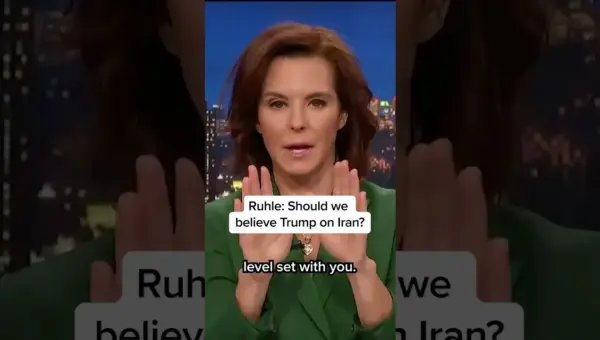
Trump’s Iran Claims Under Scrutiny After False Statements
MSNBC anchor Stephanie Ruhle has called attention to several untrue statements made by President Trump regarding Iran over the past week. Ruhle's report fact-checked the President's claims, highlighting discrepancies and questioning the accuracy of information presented on a critical international issue. The segment stressed the importance of reliable information for public trust and informed decision-making.