Iran’s Inferno: Oil Blazes Threaten Regional Stability
Devastating strikes on Iran's oil infrastructure have ignited massive fires and raised fears of a regional humanitarian crisis. The targeting of vital water desalination plants poses a grave threat to millions, highlighting Iran's desperate survival strategy amidst escalating geopolitical tensions.

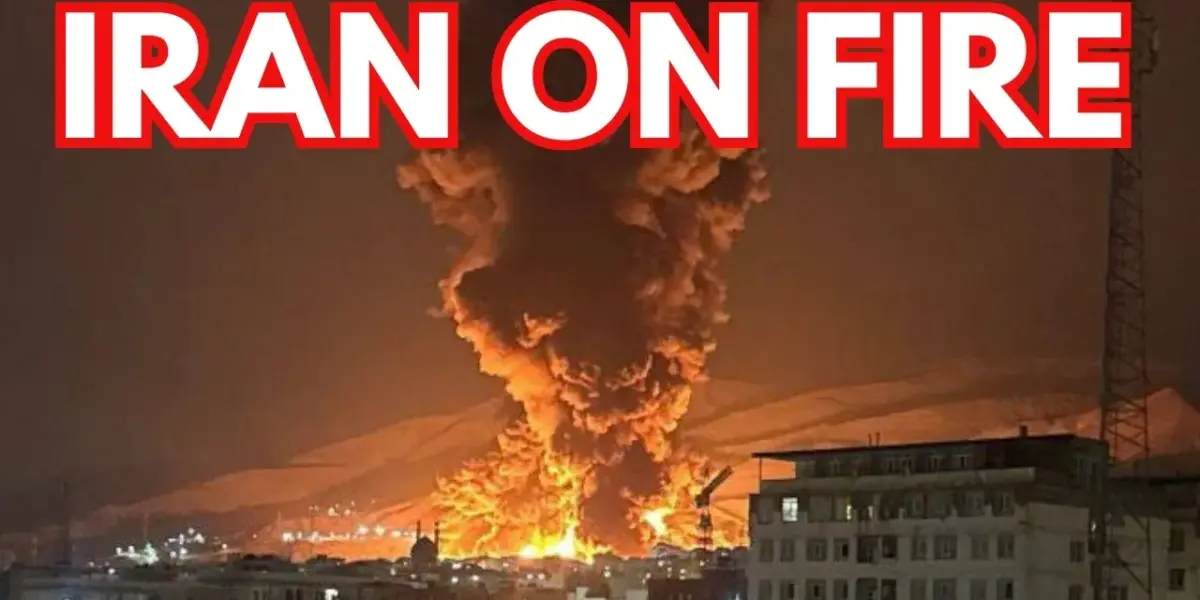
Iran’s Oil Inferno: A Tipping Point for Regional Stability?
Recent events have painted a grim picture of escalating conflict in the Middle East, with Iran’s oil infrastructure becoming the focal point of devastating strikes. Overnight, reports emerged of massive fires engulfing oil facilities across Iran, attributed to coordinated attacks by the United States and Israel.
The footage emerging from these strikes is described as “apocalyptic,” with one chilling consequence being “black rain” as soot and oil fall back to Earth. This escalation, targeting key energy assets, raises profound questions about the immediate and long-term implications for regional stability, global energy markets, and the very survival of millions.
The Strategic Targeting of Energy and Water Infrastructure
The recent strikes mark a significant expansion of the US and Israeli campaign against Iranian assets. While past actions have included isolated strikes, the recent offensive appears to have been a deliberate and focused effort.
Iranian state media reported hits on at least five locations, including oil storage depots and a petroleum products transfer center. The IDF confirmed the strikes, framing them as a necessary measure to disrupt the Iranian military’s direct and frequent use of these fuel supplies for its infrastructure and distribution networks.
From a purely military standpoint, targeting fuel supplies is a recognized tactic to limit an adversary’s operational capacity. However, the repercussions extend far beyond the battlefield.
The immediate impact includes the exacerbation of existing fuel shortages and blackouts within Iran, potentially fueling further civilian unrest. With years of high tensions and recent large-scale protests, any added strain on essential resources could reignite popular discontent.
Beyond Iran’s borders, the conflict has spilled over, with Kuwait also reporting direct targeting of fuel tanks at its international airport by Iranian drones. This suggests a dangerous tit-for-tat dynamic is already in play, with the potential for further escalation. The targeting of Saudi Aramco facilities in a prior incident indicates that Iran is already willing to strike energy infrastructure, and the current exchange could very well lead both sides to double down on such strategies.
The Water Crisis: A Humanitarian Catastrophe in the Making
Perhaps the most alarming development is the reported targeting of desalination plants. These facilities are the lifeline for millions across the Middle East, converting seawater into potable water.
Reports indicate that Iran has accused the United States of striking a desalination plant on Qeshm Island, impacting water supply to 30 villages. The Iranian Foreign Minister decried this as a “blatant and desperate crime,” asserting that the US had set a dangerous precedent.
While direct US involvement in striking Iranian desalination facilities remains unverified, the broader trend of targeting these critical assets is deeply concerning. It is reported that Iran has retaliated by attacking desalination facilities in Bahrain, and the UAE has also been implicated in strikes against Iranian facilities, though they have denied involvement.
The implications of disrupting desalination are potentially catastrophic. Approximately 100 million people in the region rely on these plants for their drinking water. Even short-term impacts could lead to immediate water shortages, disease outbreaks, and mass displacement.
Historically, the failure of desalination plants in major cities like Riyadh has been considered a scenario requiring rapid evacuation. The potential collapse of freshwater supplies poses an existential threat to urban centers and could cripple economies and military operations alike.
Divergent War Aims and Iran’s Survival Strategy
The escalating conflict highlights the starkly different objectives of the belligerents. The United States and Israel appear to be pursuing goals such as regime change, dismantling Iran’s missile program, and halting its nuclear ambitions. From Iran’s perspective, the primary aim is survival – to compel the US and Israel to cease hostilities.
Iran’s strategy, described as that of a “cornered animal,” involves employing desperate measures. The immediate closure of the Strait of Hormuz, a move previously considered a last-ditch effort, demonstrates this desperation. The targeting of desalination plants, while tragic, aligns with this survival-driven approach, aiming to inflict maximum pressure and create a humanitarian crisis that could force international intervention or compel adversaries to reconsider their actions.
Market Volatility and Future Outlook
The sustained volatility in oil markets is an inevitable consequence of these attacks. Oil prices have already surged by approximately 30%, and this trend is likely to continue as markets react to the geopolitical instability. This price increase directly impacts global economies and could influence the decision-making of leaders like President Trump, who is noted to be sensitive to fuel costs.
Looking ahead, the situation remains precarious. Iran, despite its aggressive actions, still has untapped resources, including its proxy networks like the Houthis, who have yet to fully retaliate. The possibility of terror attacks abroad, a common tactic for desperate regimes, remains a looming threat, though no direct link has been established for recent incidents like the explosion at the US embassy in Oslo.
Why This Matters
The current trajectory of conflict in the Middle East is not merely a regional skirmish; it is a potent indicator of escalating geopolitical tensions with global ramifications. The deliberate targeting of essential infrastructure like oil facilities and, more critically, water desalination plants, signals a dangerous new phase of warfare. The potential for widespread humanitarian crises, mass displacement, and severe economic disruption highlights the urgent need for de-escalation and diplomatic solutions.
The interconnectedness of global energy markets means that instability in this region will inevitably impact economies worldwide. The precedent set by targeting water resources could have devastating long-term consequences for arid regions globally, highlighting the vulnerability of essential services in times of conflict.
Historical Context
The current conflict echoes historical patterns of resource control and strategic targeting in the Middle East. Control of oil has long been a central tenet of regional power dynamics, and its strategic importance has led to its weaponization in past conflicts. Similarly, water scarcity has historically been a source of tension and conflict in arid regions.
The development of large-scale desalination technology in recent decades has offered a technological solution, but these facilities, as demonstrated, are now vulnerable strategic targets. The current escalation can be seen as a modern manifestation of these age-old struggles, amplified by advanced technology and heightened geopolitical animosities.
Conclusion
The “apocalyptic scenes” in Iran are more than just dramatic imagery; they represent a critical juncture in the ongoing conflict. The deliberate targeting of oil and water infrastructure points to a strategy of desperation, aimed at survival and inflicting maximum pressure. The immediate humanitarian concerns are immense, with the potential for widespread suffering and displacement.
The sustained volatility in oil markets and the broader geopolitical implications demand global attention. As Iran continues to deploy its remaining cards, the international community faces the daunting challenge of navigating this escalating crisis and averting a wider regional conflagration.
Source: Iran Oil Inferno: Apocalyptic Scenes as Facilities Burn (YouTube)

Related Articles


Iran Hints at New Weapons as Ceasefire Nears End
Iran has signaled the potential deployment of new battlefield weapons, including advanced drones and missile targeting systems enhanced by Chinese technology. This announcement comes as a crucial ceasefire is set to expire, raising concerns about renewed hostilities. The U.S. maintains a strong military presence in the region, ready to counter any aggressive actions.


US-Iran Tensions Flare as Ceasefire Deadline Looms
U.S.-Iran tensions are escalating as a critical ceasefire deadline approaches, with uncertainty surrounding upcoming peace talks in Pakistan. Meanwhile, FBI Director Kash Patel has filed a $250 million defamation lawsuit against The Atlantic over a report alleging misconduct. In Washington, the Labor Secretary resigned amid an investigation, and airport safety concerns are mounting after a series of weekend incidents.


Israel Declares Air Superiority, Pledges Fight Against Iran
Israeli leaders have declared air superiority and vowed to counter Iran's regional ambitions. Despite ceasefires, military actions continue, highlighting ongoing tensions with Iran-backed groups in Lebanon and Iraq.