Trump Fuels Iran Ground War Fears, Kurds Tipped for Uprising
The US is reportedly arming Kurdish groups near Iran's border, fueling fears of a ground war orchestrated by the Trump administration. As tensions escalate, regional powers and international observers watch closely for signs of de-escalation or further conflict.

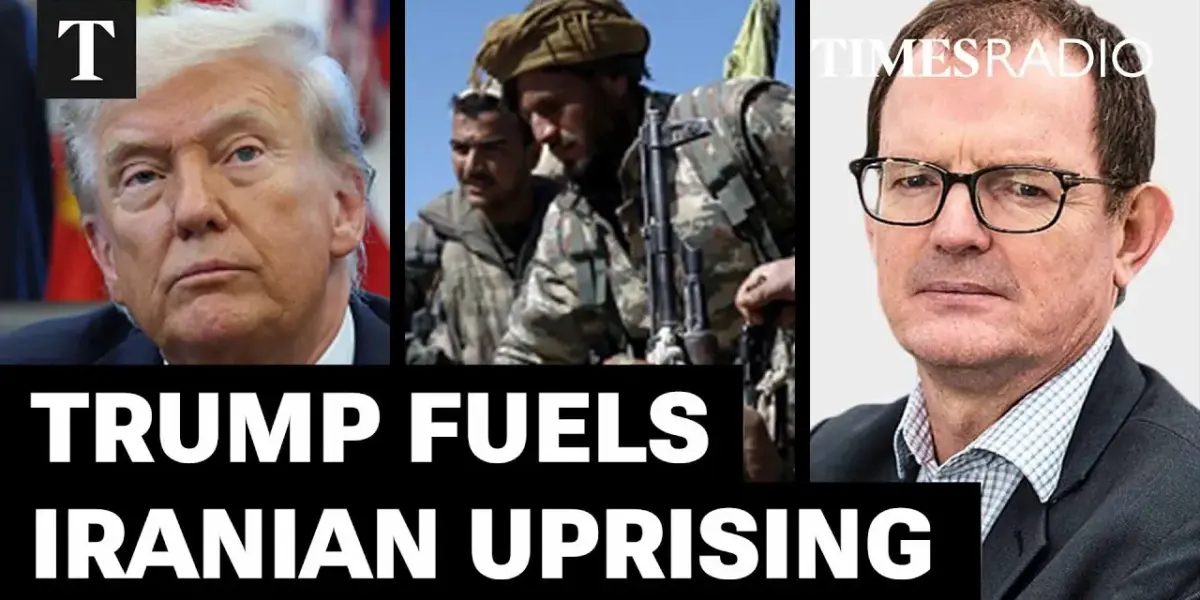
US Hints at Arming Kurds for Iran Uprising Amid Escalating Tensions
In a rapidly developing geopolitical landscape, the United States under President Donald Trump is reportedly arming Kurdish opposition groups in northwest Iran, a move analysts suggest could be a precursor to a ground war aimed at destabilizing the Iranian regime. This strategy, emerging a week into heightened conflict with Iran, has drawn mixed signals from the White House regarding the ultimate goals and end game of the escalating tensions.
Strategic Location: Erbil as a Key Nexus
Richard Spencer, a correspondent for The Times, reporting from Erbil in Kurdish Iraq, highlights the strategic significance of the region. Iraqi Kurdistan, a semi-autonomous enclave established with Western support following the first Gulf War, is now positioned as a crucial node in the unfolding conflict. Its proximity to Iran’s borders makes it a logical staging ground for operations targeting Iranian territory.
“At the moment, it’s important because America is supposedly arming some Kurdish groups based in this region as a form of ground war on Iran. There are small Kurdish opposition groups in northwest Iran and they have bases over the border in this region. And there are these reports that the Americans want them to sort of stage some sort of uprising against Iran.”
Kurdish Uprising: A Calculated Risk?
Spencer describes the reports of the U.S. Arming Kurdish groups as “half credible,” acknowledging that American leadership has hinted at such possibilities. While the effectiveness of these groups in launching a full-scale assault is questioned by many experts due to their numbers – representing an estimated 10-15% of Iran’s population – the strategy may aim to achieve a different objective. The intention could be to undermine the Iranian state, provoke internal fragmentation, or trigger a wider, countrywide uprising through localized armed conflict in the northwest.
Regional Reactions and Global Implications
The broader region’s reaction to the escalating conflict is complex. While Iran is not widely popular outside of its ideological allies, there is significant uncertainty about the consequences of regime change. Many nations, recalling the instability that followed the 2003 invasion of Iraq, fear a similar outcome.
Allies of Iran, such as Hezbollah in Lebanon, are directly impacted by Israeli actions, while others, like China, are observing the situation with strategic calculation. China, a major purchaser of Iranian oil and a diplomatic supporter, refrains from direct intervention but is reportedly reassessing its own military build-up in light of perceived American hard power dominance.
China’s Strategic Calculation
Spencer notes that China’s President Xi is likely learning from the current events, observing how the U.S. can leverage military might to achieve strategic goals. Despite China’s focus on soft power and economic influence, the assertive actions by the U.S. In the Middle East may compel Beijing to accelerate its own military modernization to deter similar interventions.
An Uncertain Path Forward: A Game of Chicken
The path to de-escalation remains unclear, with Spencer characterizing the current situation as a “game of chicken.” Both sides appear prepared to endure significant pressure, but the ultimate willingness to compromise is uncertain. Iran, with a history of resilience under siege, is unlikely to capitulate easily and may continue its regional destabilization efforts. The U.S. Defense secretary, Pete Hegseth, has conveyed confidence in U.S. intelligence and its ability to mitigate risks, asserting that American forces are not in danger but rather posing a threat to adversaries.
“Our commanders are aware of everything. We have the best intelligence in the world. We’re aware of who’s talking to who…
The president has an incredible knack at knowing how to mitigate those risks… The only ones that need to be worried right now are Iranians that think they’re going to live.”
Despite such pronouncements, the conflict has already seen drone attacks on civilian infrastructure, including hotels, raising concerns about the potential for wider regional disruption and significant economic impacts, particularly on oil prices. President Trump’s demand for Iran’s “unconditional surrender” signals a hardline stance, yet the feasibility of such an outcome and the potential for a negotiated settlement remain open questions.
Looking Ahead: The Risk of Wider Conflict
The coming days will be critical in determining whether diplomatic off-ramps can be found or if the current trajectory leads to a more protracted and potentially wider conflict. The willingness of Iran to withstand further pressure, the capacity of regional allies to intercept incoming threats, and President Trump’s sustained focus on the confrontation will all play key roles in shaping the future of the region.
Source: How Trump Is Fuelling A Ground War On Iran | Richard Spencer (YouTube)

Related Articles
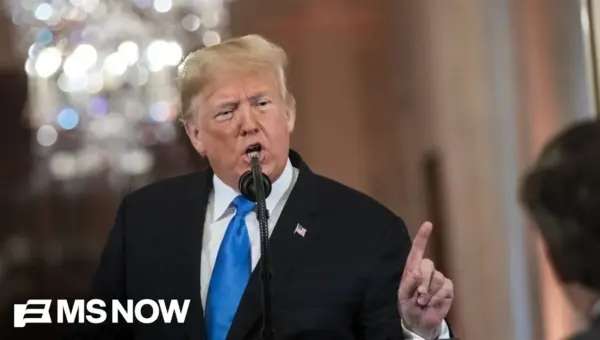
Iran’s AI-Powered ‘Slopaganda’ War Targets Americans Online
Iran is employing advanced AI to create and spread 'slopaganda,' using internet culture to influence American views on global conflicts. This digital strategy bypasses traditional media, reaching younger audiences directly through memes and fake videos. Experts warn that this approach exploits information gaps and highlights a need for better U.S. online communication strategies.

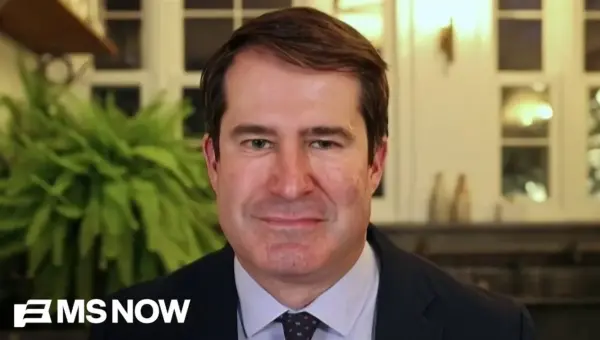
Trump’s Iran Threats Spark GOP Concern, War Powers Debate
A U.S. Navy destroyer fired on an Iranian cargo ship amid heightened tensions, just hours after President Trump issued a stark warning to Iran. The incident and Trump's aggressive rhetoric have fueled growing concern in Congress, with some Republicans signaling a willingness to curb the president's war powers. Congressman Seth Moulton criticized Trump's threats as 'unhinged' and discussed broader issues of trust in government.
Iran’s Iran’s Strait of Hormuz Control Risks Global Power Shift
Professor Robert Pape warns that Iran's control over the Strait of Hormuz could lead to a major global power shift, potentially making Iran the fourth major world power. He argues that current U.S. policy is a "colossal strategic mistake" that is inadvertently strengthening Iran and destabilizing the global economy.