Trump Administration Signals Potential Action Against Cuba
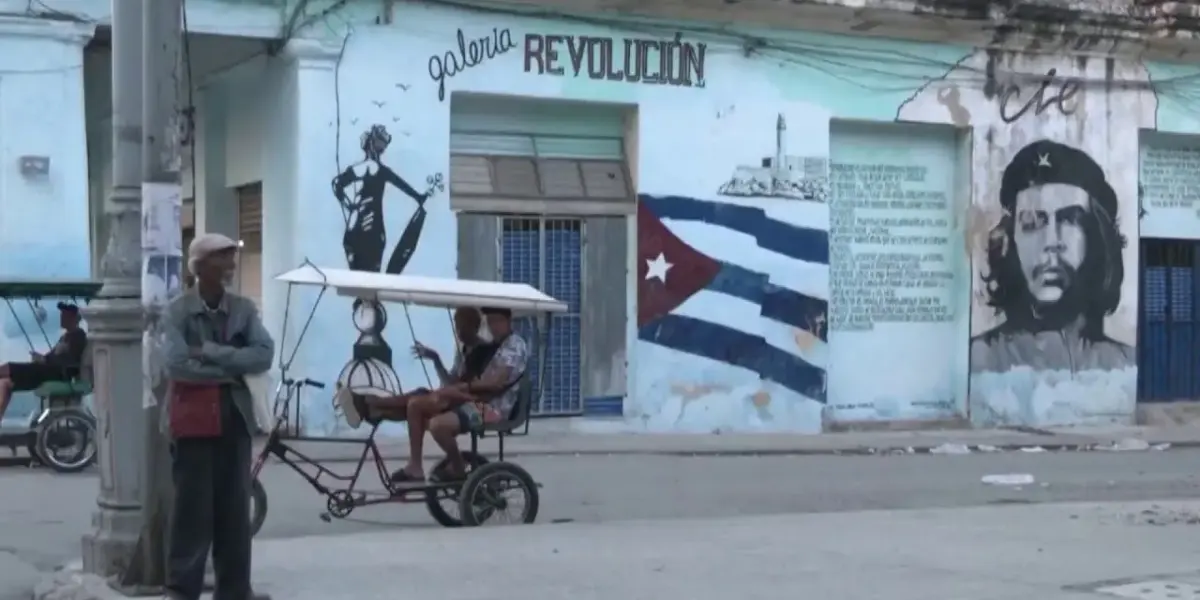
The Trump administration is reportedly exploring significant actions against Cuba, with President Donald Trump signaling the regime's impending end. The U.S. is considering filing charges against Cuban officials as a negotiation tactic, following similar moves against Venezuela.

U.S. President Hints at Regime Change, Economic Concessions Explored
WASHINGTON D.C. – The Trump administration is reportedly exploring significant actions against Cuba, with President Donald Trump himself signaling a belief that the communist regime is nearing its end. These developments follow similar assertive stances taken by the administration regarding Venezuela and Iran, raising questions about the potential for a renewed focus on Cuba.
In recent public statements, President Trump has suggested that Cuba is on the verge of collapse and that its leaders are open to striking a deal with the United States. These remarks, echoed in various media appearances, suggest a proactive approach being considered by the White House. The administration is reportedly exploring the possibility of filing charges against members of the Cuban regime or the Communist Party, a tactic previously employed against Venezuelan President Nicolás Maduro.
Senator Marco Rubio’s Role and Potential Negotiations
Senator Marco Rubio, a prominent voice on Cuba policy, is expected to play a key role in the administration’s engagement with the island nation. President Trump specifically mentioned sending Rubio to assess the situation, indicating a high-level focus on Cuba.
According to NBC News analyst and former Congressman Carlos Curbelo, the administration’s rhetoric and actions likely indicate that the Cuban regime is willing to engage in negotiations and potentially offer concessions to the U.S. Curbelo suggested that these concessions might be economic in nature, aimed at stabilizing the regime rather than immediately dismantling it.
“What it likely means is that the Cuban regime is at the table, and that they are actually willing to give some concessions to the United States, maybe for the first time ever, in terms of meaningful concessions,” Curbelo stated in an interview. “The President very bullish in terms of the prospects for change in Cuba.”
However, Curbelo cautioned that the expected changes might be primarily economic, leaving the current regime in place. This approach could potentially frustrate members of the Cuban-American community, who often advocate for the complete removal of the current government.
Indictments as a Negotiation Tactic
The exploration of filing charges against Cuban officials is seen by some analysts as a strategic negotiation tactic. The precedent set by the U.S. Indictment of Nicolás Maduro and the subsequent operation in Venezuela, which resulted in the deaths of 32 Cubans, is a stark warning to Cuban leaders.
“This is a way to increase pressure and to tell the Cuban leaders we could indict Raul Castro, Raul Castro, who’s 94 years old, he does not want to spend what remains of his life in an American prison,” Curbelo explained. “So this is a way to increase pressure and to show the Cubans that if they don’t negotiate in good will, if they don’t agree to whatever terms the United States is putting out, their leaders could face a similar fate as Nicolas Maduro.”
Cuba’s Military Capacity and U.S. Proximity
Despite the escalating rhetoric, Cuba’s military capabilities are considered significantly diminished compared to decades past. The Cuban military, while its leadership is reportedly well-compensated and tied to the economy, relies on older Soviet-era weaponry. Analysts suggest that any potential military action by the United States would likely face minimal resistance and be a swift operation.
The geographical proximity of Cuba to the United States, less than 100 miles from Florida, means that U.S. military assets are strategically positioned. Facilities such as the Air Force Reserve base in Homestead and the Naval Air Station in Key West, along with the U.S. Southern Command (SOUTHCOM) headquarters in Miami, provide readily available resources for any potential military response.
However, Curbelo expressed doubt that a military option would be pursued. He emphasized the substantial economic pressure already being exerted on Cuba, including fuel shortages, making a negotiated settlement more probable. The administration’s goal may be to secure concessions from the Cuban government, buying it time to implement changes.
Looking Ahead
The coming weeks are expected to be crucial in determining the direction of U.S.-Cuba relations. The potential for economic reforms, the possibility of indictments against regime officials, and the ongoing diplomatic maneuvering will be closely watched. The outcome could significantly impact the future of the Cuban government and the lives of its citizens, as well as regional stability.
Source: Trump administration sets sights on Cuba (YouTube)

Related Articles
Pope and President Ease Tensions After Public Spat
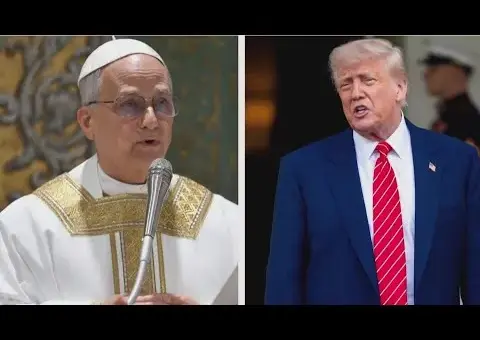
President Trump and Pope Leo have seemingly stepped back from a public disagreement concerning foreign policy. Following sharp words, both leaders are now signaling a desire to de-escalate tensions. Vice President Vance expressed gratitude for the Pope's efforts to lower the temperature.
Trump Culls Judges Over Israel Criticism Rulings
President Trump has fired six immigration judges, including two who refused to deport students for criticizing Israel. This action raises concerns about judicial independence and the potential for political influence in legal decisions.
Trump Mulls Cuba Action Amid Secret Talks, Pentagon Prep
U.S. officials held secret talks in Cuba while the Pentagon reportedly planned military options, raising questions about future U.S. policy. An expert believes military action is unlikely due to Cuban military loyalty and economic interests, suggesting a focus on economic reforms instead.