Trump Mulls Cuba Action Amid Secret Talks, Pentagon Prep
U.S. officials held secret talks in Cuba while the Pentagon reportedly planned military options, raising questions about future U.S. policy. An expert believes military action is unlikely due to Cuban military loyalty and economic interests, suggesting a focus on economic reforms instead.

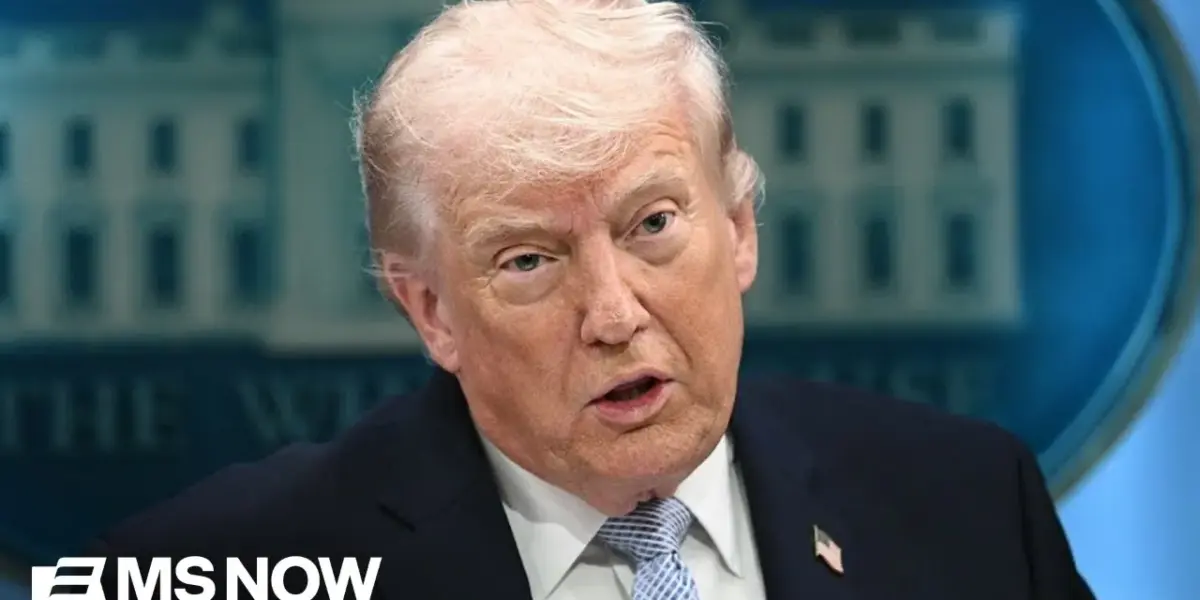
US Officials Hold Secret Cuba Talks, Pentagon Plans Military Options
The United States has engaged in high-level diplomatic talks with Cuban officials on Cuban soil, a significant step following years of strained relations. A senior State Department delegation met with Cuban government representatives last week, marking the first time a U.S. government aircraft has landed in Cuba since President Obama’s 2016 visit.
These discussions occur as reports surface of the Pentagon actively planning for potential military operations on the island. The Pentagon has stated it prepares for a range of possibilities and is ready to act on presidential orders.
Trump Hints at Military Action, Denies Direct Comparison
When questioned about the Pentagon’s preparations and whether Cuba might be the next target, President Donald Trump offered an ambiguous response. He suggested that the definition of “military action” would determine the outcome, avoiding direct comparisons to operations in Venezuela or Iran. “It really does depend on what your definition of military action is,” Trump told reporters, leaving the specifics of any potential U.S. strategy unclear.
Expert Skeptical of Imminent Military Conflict
Lisandro Perez, a professor of Cuban history, expressed doubt about the likelihood of a U.S. military intervention in Cuba. He noted that while negotiations don’t rule out military action, as seen with Iran and Venezuela, Cuba presents unique challenges. Perez believes the Trump administration, already facing difficulties in its dealings with Iran, might be hesitant to initiate another conflict.
He also highlighted the strong loyalty within the Cuban military to its leadership, particularly Raul Castro, who has led the military for decades. The Cuban military has significant economic interests, particularly in the tourism sector, which would be jeopardized by conflict.
US Pushes for Economic Reforms Amid Cuban Instability
A State Department official described Cuba’s economy as being in “freefall,” urging Cuban elites to enact U.S.-backed reforms within a limited timeframe to prevent irreversible worsening of conditions. The official stated President Trump prefers a diplomatic solution but will address any threats to national security if Cuba’s leaders fail to act.
Professor Perez noted that the U.S. has long hoped for a Cuban government collapse, but despite the current dire economic situation, he sees no immediate signs of it. He found it interesting that U.S. officials, including Marco Rubio and Trump himself, have expressed a desire to stabilize Cuba’s economy rather than see it collapse, a sentiment he believes the Cuban government may not take seriously.
Economic Reforms Linked to Embargo Lift
Perez explained that while many in Cuba desire economic reforms, achieving them would likely require lifting the U.S. embargo. Opening Cuba’s economy in a market sense would necessitate addressing one of the Cuban government’s primary demands at the negotiating table.
He pointed out the irony that to encourage economic openness, the U.S. would need to remove the embargo that has long constrained the island’s economy. This potential negotiation could go very far if the terms involve economic reforms, which are broadly desired by the Cuban population.
Miami’s Concerns and Potential Disappointment
The prospect of U.S. policy focusing on economic reforms and business opportunities, even allowing Cubans in the U.S. to engage in business, could displease some in the Miami community, especially if it means the current regime, including Raul Castro and Diaz-Canel, remains in power. Perez described this as a potentially disappointing scenario for the traditional leadership seeking regime change.
Unlike Venezuela, where an organized opposition existed, Perez sees fewer clear alternatives in Cuba. Therefore, if negotiations lead to economic reforms while the current regime stays in place, it might be welcomed by the Cuban people but not by those in Miami hoping for a complete overthrow.
Rubio’s Stance and Future Outlook
Professor Perez acknowledged that Secretary of State Rubio has historically advocated for an anti-Castro agenda and regime change. However, he found Rubio’s recent statements, suggesting a focus on straightening out the economic mess first, to be noteworthy.
This approach, emphasizing economic stabilization over immediate regime change, is contrary to the expectations of many in the Miami exile community. The upcoming negotiations will reveal whether the U.S. prioritizes economic engagement or continues to push for fundamental political shifts in Cuba.
Source: Will Trump target Cuba next? “Very hard to predict.” (YouTube)

Related Articles
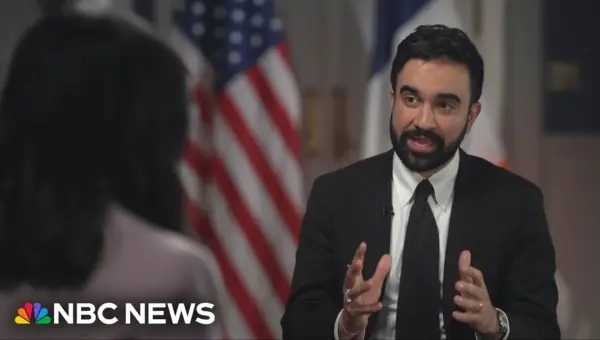
Mayor Mamdani Delivers on Promises, Tackles Budget Woes
Mayor Zohran Mamdani outlined progress on his campaign promises, including universal childcare and faster buses, during his first 100 days. He is addressing a $5.4 billion budget shortfall through progressive taxation and plans for city-run grocery stores. Mamdani also discussed his productive relationship with President Trump and his commitment to New York City.
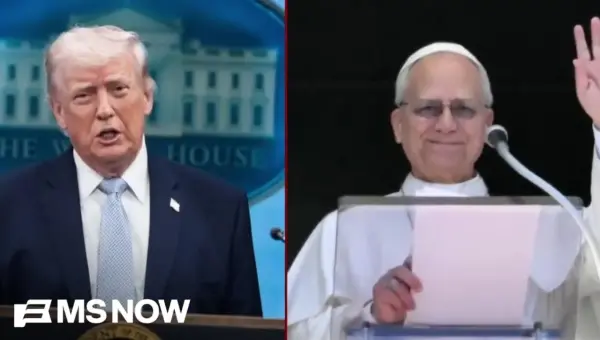
Trump’s Divine Claims Fuel Feud with Pope Francis
Former President Donald Trump has escalated his feud with Pope Francis by sharing an AI image of himself as a Jesus-like figure and planning a marathon Bible reading. Analysts suggest his actions are fueled by those around him who encourage him to see himself as divinely appointed, a sentiment echoed by some political allies.
GOP Rebels Defy Trump on Surveillance Bill
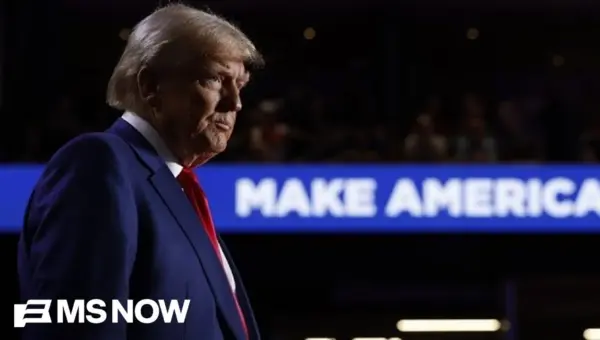
Twenty Republican lawmakers defied President Trump this week, voting against a renewal of the Foreign Intelligence Surveillance Act (FISA). The dissent forced a short-term extension of the law and signals growing divisions within the GOP, raising questions about Trump's influence. This rebellion highlights internal power struggles and principled stands on surveillance within the party.