Russia Aids Iran: Trump Dismisses War Crisis
Reports indicate Russia is aiding Iran in targeting US interests, yet the Trump administration appears to dismiss the severity of the situation. This analysis delves into the alleged intelligence sharing, the administration's response, and the broader geopolitical implications.

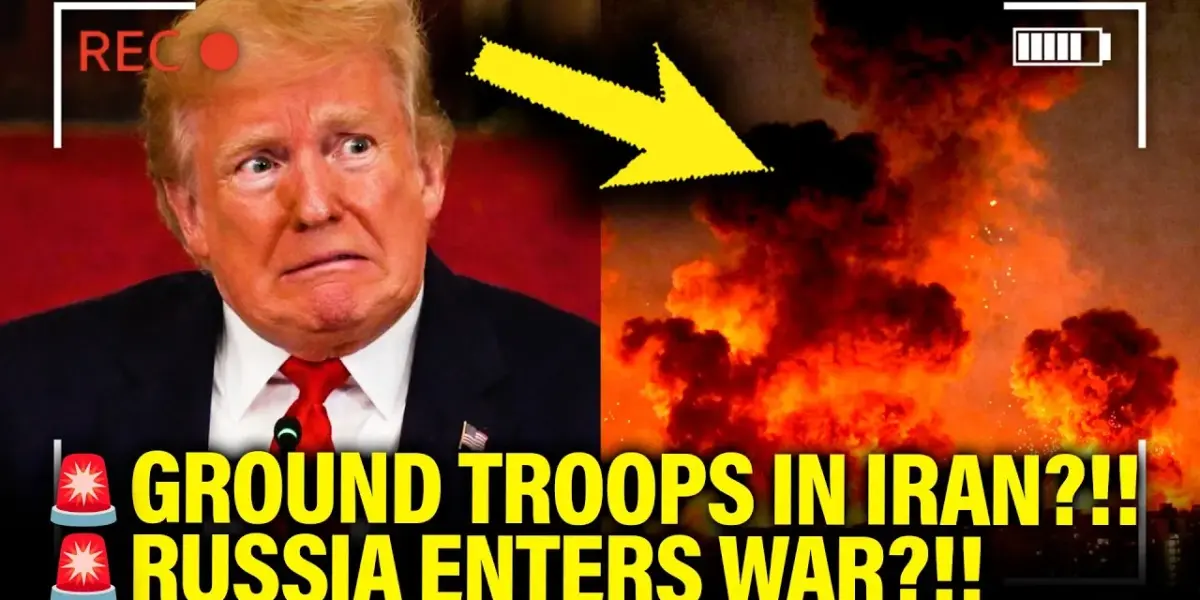
Russia’s Shadow Play: Aiding Iran Amidst Escalating Conflict
Recent reports suggest a significant and concerning development in the Middle East: Russia is allegedly providing critical logistical support to Iran, including intelligence on American military assets. This alleged collaboration, if true, marks a dangerous escalation, potentially drawing the United States into a more complex and volatile geopolitical landscape. The implications are profound, raising questions about international alliances, the stability of the region, and the strategic objectives of major global powers.
Intelligence Sharing and Targeting US Interests
Multiple sources indicate that Russia is supplying Iran with the coordinates of American military bases, personnel, and assets. This intelligence is reportedly being used by Iran to target these entities with Shahid drones and ballistic missiles. Russia is said to be offering other forms of defense support to Iran.
This alleged partnership is not occurring in a vacuum; China is also reportedly assisting Iran. The confluence of these actions by major global players towards a nation with which the US has strained relations paints a complex picture of shifting alliances and potential proxy conflicts.
Trump’s Reaction: Dismissal and Deflection
When confronted with these alarming reports by a reporter from Fox News, Donald Trump’s response was notably dismissive. Asked about Russia’s alleged involvement in helping Iran target the United States, Trump attacked the reporter, calling the question “stupid” and expressing a desire to remain on the topic of his press conference, which concerned college athletes and their name, image, and likeness rights.
This reaction has drawn criticism, with some interpreting it as an attempt to downplay or ignore a potentially critical national security issue. The press conference itself, focused on a domestic issue, highlighted a perceived disconnect between the administration’s priorities and the unfolding international crisis.
Official Statements and Contrasting Narratives
White House spokesperson Anna Kelly offered a contrasting narrative, stating that the “Iranian regime is being absolutely crushed” and that their military capabilities are “decreasing every day.” This portrayal of a decisive US victory is challenged by ongoing reports of Iranian drone and missile attacks on neighboring countries and continued disruptions in the Strait of Hormuz, which have led to significant increases in oil prices. The discrepancy between the official narrative and the on-the-ground realities suggests a potential information war or a deliberate effort to shape public perception.
Caroline Levit, described as a “chief propagandist” for the Trump administration, further downplayed the significance of the intelligence-sharing reports, stating, “Whether or not this happened, it doesn’t really matter.” This sentiment was echoed by some Republican Congress members, who also suggested the reports were inconsequential. This stance has been met with strong disapproval, with critics arguing that any intelligence aiding hostile actors in targeting American forces is a matter of grave concern.
Economic Sanctions and Shifting Policies
Adding another layer to the complex geopolitical situation, Treasury Secretary Scott Bessent has reportedly taken steps to ease sanctions against Russia and alter requirements for India’s oil purchases. These actions, occurring while Russia is allegedly aiding Iran in targeting US interests, have been met with bewilderment and criticism. The decision to allow India to continue purchasing Russian oil, especially as global oil prices surge, is seen by some as a significant financial windfall for Russia, potentially undermining US efforts to exert economic pressure.
The War’s Impact and Public Address
Despite the escalating conflict and the alleged involvement of Russia, Donald Trump has not yet formally addressed the American people to explain the situation. His focus during public appearances, as seen in the transcript, has often been on other domestic issues, such as college athletes’ compensation. This perceived lack of direct communication on a critical foreign policy crisis has fueled public concern and calls for greater transparency.
Historical Context and Future Outlook
The current situation in the Middle East echoes historical patterns of great power competition and the use of proxy forces. The alleged Russian support for Iran could be seen as a strategic move to complicate US foreign policy objectives and potentially divert American resources and attention.
The long-term implications of this alleged alliance are significant, potentially reshaping regional dynamics and the global balance of power. The ongoing conflict, with its potential for further escalation and broader involvement of international actors, demands careful monitoring and a clear-eyed assessment of the risks and challenges ahead.
Why This Matters
The alleged collaboration between Russia and Iran to target US interests represents a critical juncture in international relations. It challenges the established order and raises the stakes for global security. The perceived dismissiveness of the Trump administration towards these reports, coupled with actions that appear to benefit Russia economically, fuels anxieties about the nation’s strategic priorities and its commitment to confronting adversaries.
The lack of direct presidential communication on this escalating crisis leaves the public in the dark and raises questions about the administration’s preparedness and response strategy. As the conflict continues to unfold, the decisions made now will have lasting repercussions on regional stability, international alliances, and the future of global security.
Implications and Future Trends
The implications of Russia providing intelligence to Iran are far-reaching. It suggests a potential deepening of the anti-US bloc, which could embolden other adversaries. The economic measures taken by the Treasury Department, seemingly at odds with efforts to counter Russian aggression, could be interpreted as a sign of strategic confusion or a deliberate pivot in foreign policy.
The future outlook involves a heightened risk of miscalculation, increased regional instability, and a more challenging environment for US foreign policy. The administration’s approach to this crisis, particularly its communication strategy and its perceived response to intelligence about adversarial collaboration, will be closely scrutinized in the coming weeks and months.
Historical Parallels and Lessons Learned
Historically, periods of geopolitical tension have often seen the formation of strategic alliances between nations with shared grievances against dominant powers. The current situation, with Russia and China reportedly aligning with Iran against US interests, can be viewed through this lens.
The effectiveness of economic sanctions, the role of intelligence in modern warfare, and the impact of presidential communication on public perception are all critical factors that have shaped past conflicts and continue to be relevant today. The challenge for the current administration lies in navigating these complex dynamics while safeguarding national security and promoting regional stability.
Source: 🚨Trump LOSES IT as Russia ENTERS WAR!! (YouTube)

Related Articles
Trump’s Cryptic Posts Signal Deep Personal Struggles
Donald Trump's recent surge in cryptic and repetitive social media posts, including a video of Frank Sinatra singing "My Way," has sparked widespread concern. Analysts suggest these actions signal a struggle with mortality and a disconnect from reality, raising questions about his fitness for office.
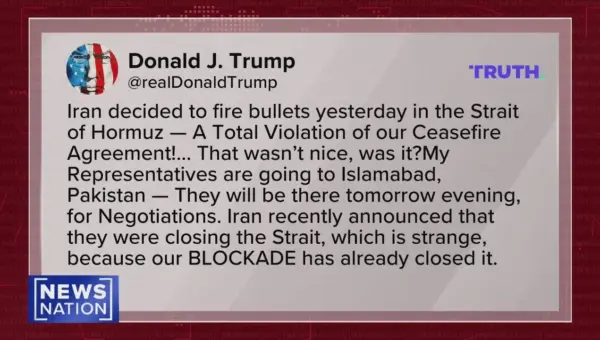
Trump Claims Iran Violated Ceasefire in Hormuz Strait
President Trump accused Iran of violating a ceasefire by firing on ships in the Strait of Hormuz. Conflicting reports and "media warfare" from both sides create confusion. The situation impacts global oil prices and highlights the ongoing diplomatic challenges.

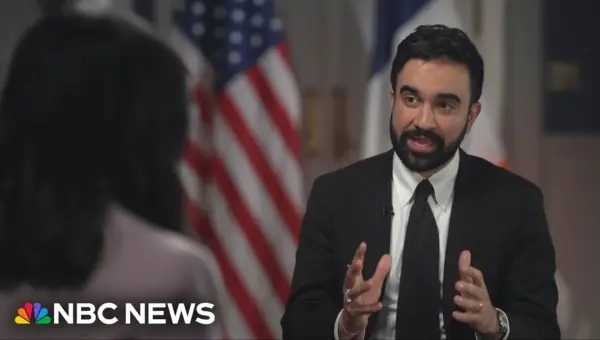
Mayor Mamdani Delivers on Promises, Tackles Budget Woes
Mayor Zohran Mamdani outlined progress on his campaign promises, including universal childcare and faster buses, during his first 100 days. He is addressing a $5.4 billion budget shortfall through progressive taxation and plans for city-run grocery stores. Mamdani also discussed his productive relationship with President Trump and his commitment to New York City.