Economy Cracks: Fox News Confronts Grim Jobs Report
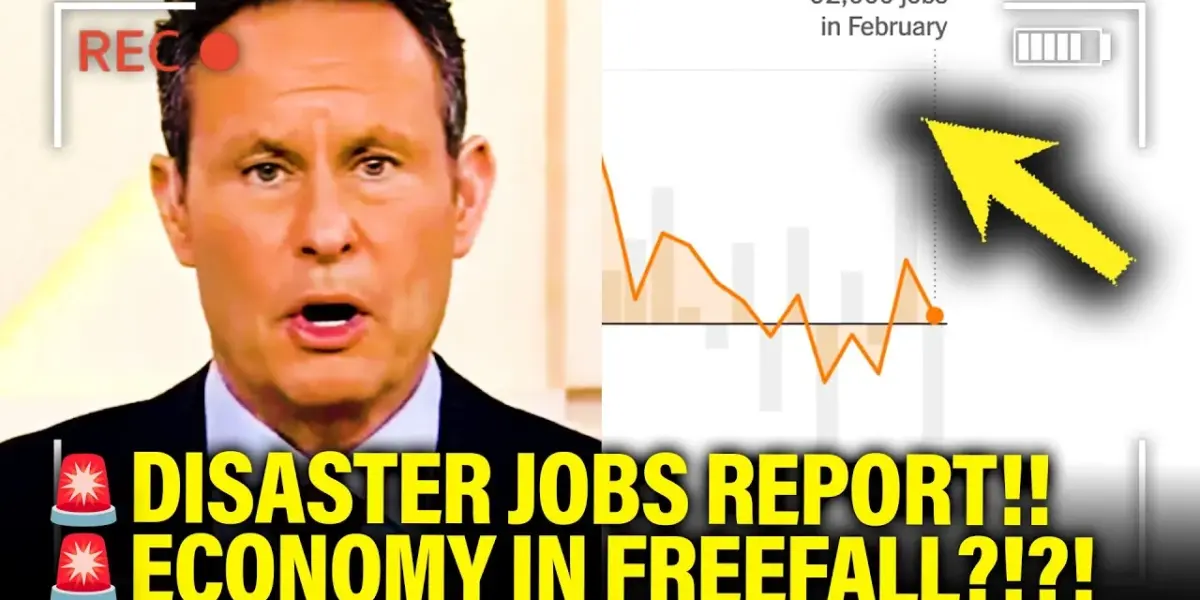
A disastrous February jobs report, showing a loss of 92,000 jobs and a rising unemployment rate, has forced a confrontation with economic reality. Even Fox News grappled with the grim data, highlighting a disconnect between political narratives and the lived experiences of Americans. This report underscores the critical role of economic sentiment in public opinion and political outcomes.

Economy Cracks: Fox News Confronts Grim Jobs Report
The current economic narrative, often painted with broad strokes of success, recently collided with a stark reality check. A disastrous jobs report for February has forced even the most ardent supporters of a booming economy to confront inconvenient truths. This analysis digs into the implications of this report, examining its impact on public perception, political discourse, and the broader economic landscape, with a particular focus on how it was received by entities like Fox News.
The Shocking Jobs Numbers
The latest Labor Department report delivered a jolt to economists and the public alike. Instead of the anticipated modest job growth, the U.S. economy shed 92,000 jobs in February. This figure was a significant miss compared to the estimated gain of 52,000 to 59,000 jobs.
The unemployment rate also ticked upward to 4.4%. The losses were not confined to a single sector, with manufacturing, construction, transportation, and even healthcare experiencing declines. This represented one of the sharpest monthly job declines seen in the post-pandemic era.
Further compounding the negative picture, revisions to previous months’ data revealed that the labor market has been weaker for longer than initially reported. The broader indicators painted a worrying, albeit consistent, picture: rising unemployment, slipping labor force participation, slowing hiring across multiple sectors, and wages failing to keep pace with inflation. These tangible economic pressures, exacerbated by rising energy costs potentially linked to geopolitical conflicts, present a significant challenge to any narrative of robust economic health.
Fox News’s Contradictory Coverage
The response from Fox News hosts and commentators highlighted the tension between political messaging and economic data. While some acknowledged the grim reality of the jobs report, others sought to contextualize or downplay the negative figures.
Hosts like Maria Bartiromo, in discussions with guests, explored potential explanations, including the impact of AI efficiencies leading to workforce reductions, citing examples like Block’s planned layoffs and Oracle’s pause on hiring. This approach, while attempting to find reasons for the downturn, still implicitly acknowledged the job losses.
Conversely, other segments on Fox Business referred to the report as a “shock jobs miss,” emphasizing the unexpected fall in payrolls. The discussion also touched upon broader economic anxieties, such as the concerning number of people tapping into their 401(k)s for hardship withdrawals, made easier by recent legislative changes. Despite the negative data, there was an attempt to frame the current economic situation as still being better than what was inherited from the previous administration, with a focus on workforce development initiatives aimed at meeting market demands.
Historical Context and Economic Indicators
The current economic situation can be viewed against a backdrop of fluctuating economic performance. Historically, job growth has been a key barometer of economic health and a significant factor in public perception of leadership.
The sharp decline in February’s report, especially when juxtaposed with previous months’ data and the expected figures, stands out. Revisions to past data, showing job losses rather than gains, further underscore a potentially weakening trend that had been masked or underestimated.
The transcript also references the “birth death model” used by the Bureau of Labor Statistics (BLS) and suggests averaging numbers over several months to get a clearer picture. This acknowledgment of the complexities and potential volatility in monthly economic data is important. However, when the average over a few months still points to a slower pace of job creation, particularly in light of reduced immigration affecting break-even employment levels, the underlying weakness becomes harder to ignore.
The Role of Geopolitics and Distraction
The analysis within the transcript posits that escalating geopolitical conflicts, particularly in the Middle East, serve as a significant distraction from domestic economic struggles. The argument is made that the administration may leverage these international events to divert public attention from unfavorable economic news and other controversies, such as the Epstein files. The substantial financial outlay on these military operations, estimated at a billion dollars a day, is presented as a stark contrast to the economic hardship faced by Americans at home.
The debate surrounding whether current military operations constitute a “war” is also highlighted, with a clear division emerging. While some officials and politicians argue these are “combat operations” or “limited operations” with specific missions, others, including the Secretary of Defense, have referred to them as “war.” This semantic debate highlights the political sensitivity surrounding military engagement and its potential implications for accountability and public support, especially when the economy is faltering.
Public Perception and Political Fallout
The economic data has a direct impact on public perception and, consequently, on political fortunes. The transcript points to a significant cratering of support for Donald Trump’s economic policies, particularly among independent voters.
His once-strong polling numbers on jobs and employment have seen a dramatic decline. A 37-point drop in net approval among independents on this issue over a year signifies a substantial shift in public sentiment.
The general public’s view of the job market has soured. A year ago, opinions were split evenly between rating the job market as good or bad. Now, a clear majority (52%) rate it as bad, compared to only 33% who rate it as good.
This shift in perception is seen as a key factor in the erosion of Trump’s economic approval ratings. The disconnect between the administration’s claims of a booming economy and the lived experiences of Americans struggling with job security, inflation, and rising costs is becoming increasingly apparent.
Why This Matters
The February jobs report and its aftermath are crucial because they expose a widening gap between political narratives and economic realities. For the Biden administration, it presents a significant challenge to its claims of economic success and requires a delicate balancing act between addressing domestic concerns and managing international crises. For the opposition, it offers a potent line of attack, provided they can effectively connect the economic downturn to policy failures without appearing opportunistic in the face of genuine hardship.
The media’s role in reporting these figures is also under scrutiny. While some outlets, like Fox News, are forced to confront the data, the interpretation and framing of this information can significantly shape public understanding and political discourse.
The ability of the public to discern factual economic trends from politically motivated spin is paramount in a democracy. The current situation highlights the importance of transparent economic reporting and critical media consumption, especially when domestic well-being is intertwined with international engagements and political strategies.
Implications, Trends, and Future Outlook
The trend of a weakening labor market, coupled with persistent inflation and rising geopolitical tensions, suggests a period of economic uncertainty. The reliance on averaging data over several months indicates a need for a more nuanced understanding of economic performance, moving beyond single-month figures. The impact of technological advancements like AI on employment will likely become a more prominent theme, requiring proactive policy responses.
Politically, the economic sentiment among voters, particularly independents, will be a critical factor in upcoming elections. A sustained period of economic struggle could significantly impact incumbent approval ratings and influence electoral outcomes.
The administration’s ability to navigate these challenges, demonstrate tangible improvements for everyday Americans, and effectively communicate its economic policies will be key. The future outlook suggests a continued emphasis on economic stability, job creation, and managing the inflationary pressures that affect household budgets, all while dealing with a complex global environment.
Source: FOX FINALLY CRACKS as Trump CRASHES the country for WAR! (YouTube)

Related Articles


Iran Conflict Looms: Congress Must Decide War’s Fate
The ongoing conflict in Iran raises questions about presidential authority and congressional duty. Experts express doubt about the current negotiations, while economic realities show a divide between Wall Street and Main Street. New political candidates are emerging with a focus on collaboration and service.

Tax Refund Hype Fizzles, Americans Feel the Pinch
Americans are expressing anger over tax refunds that don't match the promises made. While average refunds increased slightly, soaring costs for gas, food, and other essentials mean most people feel poorer. Public approval for tax handling has dropped significantly.


Pope Leo Rejects Trump Debate: ‘Not In My Interest’
Pope Leo XIV has stated that engaging in a debate with President Trump is "not in my interest at all." Speaking to reporters during his Africa tour, the Pope clarified that his recent speech on peace was prepared before Trump's comments and not intended as a political response. He aims to focus on his spiritual mission.