Zelensky’s Bold Stance: Refuses Russian Oil, Warns EU Blocker
Ukrainian President Volodymyr Zelensky has publicly refused Russian oil, citing ethical principles and the ongoing aggression against his country. He also issued a stark warning to any EU official blocking vital weapons aid, threatening to expose their address to the Ukrainian armed forces.


Zelensky Declines Russian Oil, Cites Ethical Stance
In a striking departure from typical diplomatic language, Ukrainian President Volodymyr Zelensky has publicly declared his refusal to restore Russian oil, even under pressure from European leaders. This firm stance, communicated directly to European officials and the European Union leadership, underscores Ukraine’s unwavering commitment to principles amidst the ongoing conflict.
“To be honest, I wouldn’t restore it. This is my position,” Zelensky stated, emphasizing that certain principles, particularly in the face of Russian aggression, are non-negotiable.
The Ukrainian President articulated his views to European leaders who had contacted him regarding the matter, highlighting the moral imperative behind his decision. The refusal comes as Ukraine faces continued attacks and a desperate need for resources and weaponry.
Ethical Principles Over Economic Needs
Zelensky directly addressed the contradiction of potentially supplying oil from an aggressor nation while Ukraine is under siege. “They are killing us.
And yet we’re supposed to give oil to Orban because he is a poor guy who can’t win elections without it,” he remarked, referencing Hungarian Prime Minister Viktor Orbán and the political motivations perceived behind certain European stances. This pointed commentary reveals the deep frustration within Ukraine regarding perceived economic considerations superseding the urgent need for solidarity and action against Russian aggression.
The President’s declaration is a powerful statement against normalizing economic ties with Russia, especially when those ties could inadvertently benefit the aggressor or undermine international efforts to isolate Moscow. It signals a willingness by Ukraine to forgo potential economic benefits or concessions if they compromise fundamental ethical standpoints and the fight for national survival.
Warning Issued to EU Blocker Over Weapons Aid
Adding a layer of unprecedented directness, President Zelensky issued a stern warning to any individual within the European Union who might block crucial military aid to Ukraine. Specifically, he referred to the potential obstruction of a €90 billion aid package, stating, “We hope that one person in the European Union will not block the 90 billion or the first branch out of the 90 billion in Ukrainian warriors will have weapons.”
The warning escalated significantly as Zelensky declared, “Otherwise, we will give the address of this person to our armed forces, our guys. Let them call him and talk to him in their language.” This thinly veiled threat implies that if diplomatic channels and political will fail to deliver essential weaponry, Ukraine’s military might take matters into their own hands, directly confronting the obstructing party. The phrase “talk to him in their language” strongly suggests a potentially intimidating or even threatening communication from Ukrainian soldiers directly to the individual responsible for blocking the aid.
Broader Implications and International Relations
Zelensky’s dual pronouncements—refusing Russian oil on principle and directly threatening an EU aid blocker—carry significant weight in the complex geopolitical landscape. The refusal of Russian oil, even if symbolic given the scale of European energy imports, sends a strong message about Ukraine’s moral red lines and its expectations of its international partners. It challenges European nations to align their economic policies more closely with their stated political support for Ukraine.
The threat against the EU blocker, while highly unconventional and potentially controversial, highlights the extreme pressure Ukraine is under and its growing impatience with bureaucratic or political hurdles delaying vital military assistance. This direct, almost confrontational, approach could serve to galvanize support by creating a sense of urgency or, conversely, could strain diplomatic relations if perceived as overly aggressive. It also raises questions about the efficacy of current EU decision-making processes, particularly when unanimous consent is required for critical support packages.
Looking Ahead
The coming days and weeks will be crucial in observing the reaction from European leaders and institutions to President Zelensky’s bold statements. It remains to be seen whether his direct appeals and warnings will expedite the delivery of the €90 billion aid package or lead to diplomatic fallout. The international community will be watching closely to see if this unprecedented level of directness from a wartime leader will reshape the dynamics of international support for Ukraine and influence future energy and foreign policy decisions within the EU.
Source: 💥This is a first from Zelensky! Listen to who he called out publicly (YouTube)

Related Articles
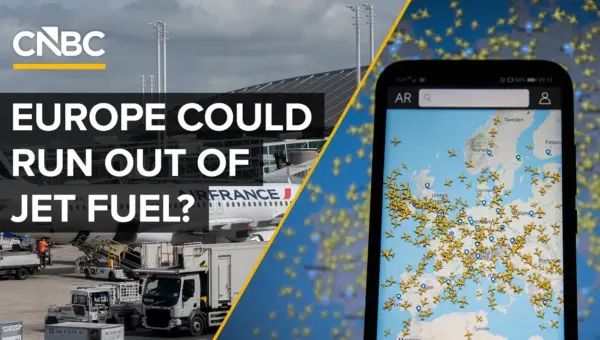
Europe Faces Jet Fuel Crunch, Threatening Summer Travel
Europe faces a critical jet fuel shortage, threatening summer travel. Reliant on Middle Eastern imports, disruptions have led to rising fuel costs, forcing airlines to increase ticket prices and adjust schedules. Travelers can expect higher fares and potential flight rationing as the peak season approaches.
Ukraine’s Drone War Shifts Battlefield Dynamics
Ukraine's strategic shift to drone warfare is reshaping the battlefield as Western aid dwindles. The nation's innovation in this area forces Russian adaptation and challenges Moscow's objectives. Observers note Russia's resilience despite high casualties, while Ukraine's drone advancements offer potential for future technology transfer.
Trump’s Chaotic Diplomacy Fuels Iran Tensions
Conflicting reports and last-minute changes surrounding JD Vance's role in Iran negotiations highlight the Trump administration's chaotic foreign policy. This pattern of escalating threats followed by claims of progress raises questions about U.S. credibility and the path toward stability.