Tokenization Reshapes Asset Control and Infrastructure
Asset tokenization is revolutionizing finance by digitizing assets on blockchains for 24/7 global trading and fractional ownership. This shift grants asset managers unprecedented control over both assets and the underlying infrastructure, amplified by AI's role in real-time data analysis.


Tokenization Reshapes Asset Control and Infrastructure
The financial landscape is undergoing a profound transformation with the advent of asset tokenization, a process that involves representing traditional assets like stocks, bonds, real estate, and commodities as digital tokens on a blockchain. This innovation promises near-instantaneous global trading, available 24/7, fundamentally altering how assets are accessed and managed. Coupled with fractionalization – the practice of dividing these assets into smaller, more affordable units – tokenization democratizes ownership, enabling a broader base of investors to participate in markets previously out of reach.
The Mechanics of Tokenization and Fractionalization
At its core, tokenization involves digitizing ownership rights to an asset and recording them on a distributed ledger technology, commonly a blockchain. This digital representation, or token, carries all the essential attributes of the underlying asset. The key advantages are:
- 24/7 Global Trading: Unlike traditional markets with fixed trading hours and geographical limitations, tokenized assets can be traded across borders at any time, enhancing liquidity and market access.
- Fractional Ownership: By breaking down high-value assets into smaller tokenized units, investors can acquire stakes with significantly lower capital outlay. This is particularly impactful for assets like prime real estate or high-priced commodities.
- Increased Efficiency: Blockchain technology facilitates faster settlement times and reduces the need for intermediaries, potentially lowering transaction costs and streamlining the trading process.
Shifting Power Dynamics in Asset Management
While the benefits of increased accessibility and efficiency are significant, the rise of tokenization also introduces a critical shift in control. Traditionally, asset managers have held sway over the assets themselves. However, tokenization empowers them to also exert control over the underlying infrastructure – the blockchain rails upon which these digital assets operate. This dual control provides asset managers with unprecedented oversight and potential advantages.
The ability to monitor all transactions in real-time, facilitated by the transparent nature of blockchain, grants asset managers unparalleled insight into market activity. This real-time data stream, when analyzed, can be leveraged to optimize investment strategies, manage risk more effectively, and potentially gain a competitive edge. The transcript highlights this by noting that asset managers will have “all the tools in the world to see everything that’s happening in real time” and can “take advantage of that information for better or for worse.”
The Role of Artificial Intelligence
Looking ahead, artificial intelligence (AI) is poised to play an increasingly pivotal role in managing these tokenized systems. AI’s capacity for complex data analysis and pattern recognition makes it an ideal tool for navigating the vast amounts of information generated by blockchain transactions. AI can assist in:
- Automated Trading and Rebalancing: Algorithms can execute trades and rebalance portfolios based on predefined criteria and real-time market data.
- Risk Management: AI can identify potential risks and anomalies faster than human analysts, enabling proactive mitigation strategies.
- Personalized Investment Strategies: AI can tailor investment recommendations and portfolio allocations to individual investor profiles and goals.
The integration of AI with tokenized assets on blockchain rails suggests a future where asset management is highly automated, data-driven, and potentially more efficient, but also raises questions about algorithmic bias and the concentration of power.
Market Impact and Investor Considerations
The implications of tokenization are far-reaching for both traditional financial markets and the burgeoning digital asset space. For established financial institutions, tokenization presents an opportunity to modernize their operations, expand their product offerings, and reach new customer segments. However, it also necessitates significant investment in new technologies and talent.
For individual investors, tokenization promises greater access to a wider array of investment opportunities, potentially at lower costs. The ability to invest in fractional shares of high-value assets could democratize wealth creation. However, investors must also be aware of the inherent risks associated with blockchain technology, including cybersecurity threats, regulatory uncertainty, and the potential for market manipulation.
What Investors Should Know:
- Understanding the Infrastructure: It’s crucial to understand that the control of the blockchain infrastructure is becoming as important as the control of the assets themselves.
- Data as a Commodity: The real-time data generated by tokenized assets is a valuable resource. Investors should be mindful of how this data is being used by asset managers and platforms.
- Technological Evolution: The integration of AI and blockchain is still in its early stages. Investors should stay informed about technological advancements and their potential impact on market dynamics.
- Regulatory Landscape: The regulatory framework surrounding tokenized assets is still evolving globally. Investors should be aware of the potential regulatory risks and changes.
In conclusion, tokenization, augmented by AI, is set to redefine asset ownership, trading, and management. While it offers unprecedented opportunities for accessibility and efficiency, it also concentrates significant power in the hands of those who control both the assets and the underlying digital infrastructure. Investors are advised to approach this evolving market with a keen understanding of both its potential and its inherent complexities.
Source: Tokenization Changes Who Controls Everything (YouTube)

Related Articles

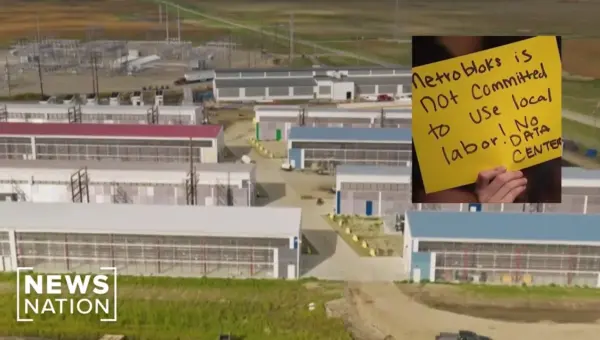
AI Data Centers Spark Rural Uprising
Rural American towns are fighting back against a surge of AI data centers. These massive facilities threaten water supplies, farmland, and local infrastructure. Residents and lawmakers are pushing for new rules to control their growth and ensure companies bear more of the costs.
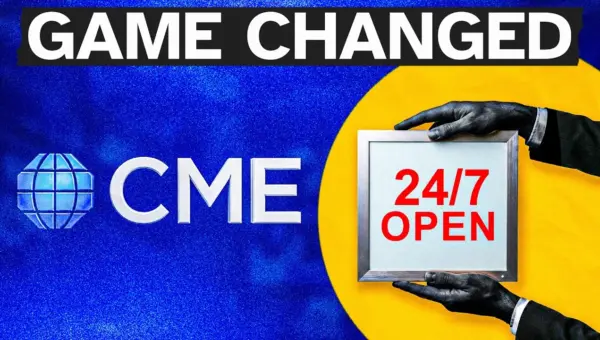
CME Ditches Weekends, Goes 24/7 for Crypto Futures
The CME Group is launching 24/7 trading for its crypto futures and options starting May 2026. This move eliminates the "CME gap" but raises concerns about traditional finance controlling crypto prices and diluting its decentralized ethos.


AI Misdiagnoses Medical Cases 80% of the Time
A recent U.S. study reveals that AI chatbots are misdiagnosing medical conditions in 80% of cases, highlighting significant risks in relying on artificial intelligence for health advice. Personal stories shared by individuals demonstrate how online self-diagnoses led to incorrect treatments and prolonged suffering, underscoring the irreplaceable value of human medical professionals.