Trump Predicts Cuba’s Fall, Eyes Regime Change Beyond Iran
Former President Donald Trump predicts the imminent fall of Cuba's regime, hinting at a broader agenda for regime change. Amidst Iran's leadership transition, experts caution against simplistic foreign policy tools like assassination. The shift away from democracy-focused rhetoric also raises questions about U.S. alliances.

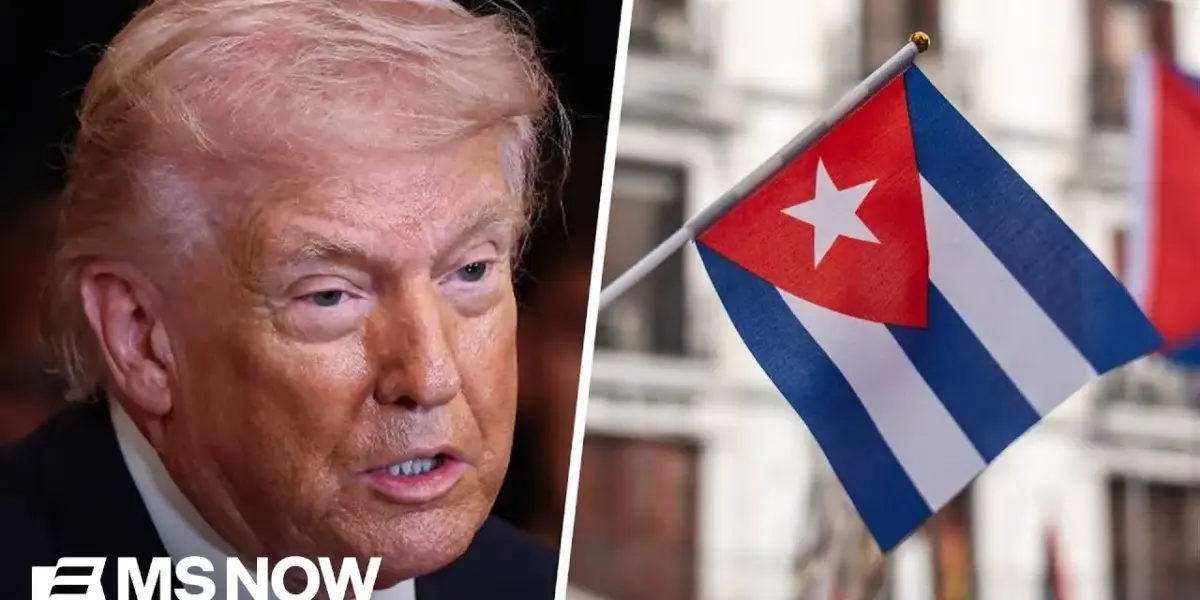
Trump Foresees Cuba’s Imminent Collapse, Hints at Broader Regime Change Agenda
Former President Donald Trump has publicly declared that Cuba is “gonna fall pretty soon,” signaling a potential shift in U.S. Foreign policy rhetoric and a renewed focus on regime change in the Western Hemisphere. The assertion, made in recent remarks, suggests a confidence in the impending collapse of the Cuban government, a sentiment that echoes past U.S. Administrations’ approaches to the island nation.
Iran’s Leadership Transition and U.S. Influence
The discussion around Trump’s foreign policy pronouncements comes amidst a complex geopolitical landscape, particularly concerning Iran’s leadership transition. Richard Haass, a senior counselor at Centerview Partners and author, offered a pragmatic perspective on the U.S. Ability to influence Iran’s internal politics. “Reality tends to win out over preference,” Haass stated, emphasizing that the U.S. is not in a position to dictate the next leader of Iran, a scenario that would require an extensive occupation akin to post-war Japan or Germany, which he deems “simply not in the cards here.”
Haass elaborated on the potential successor to the current Ayatollah, noting the uncertainty surrounding the balance of power between the clerical establishment and the security forces. “What we don’t know and what might be most interesting is what is the balance of power between the cleric, AND THE SECURITY FORCES,” he observed. This dynamic could determine whether the successor is a figurehead or holds significant authority, with the “guys, shall we say, with guns” potentially wielding more influence.
“We can incentivize the Iranians to go in one direction or another, but that’s probably the most.”
– Richard Haass
Assassination as a Foreign Policy Tool: A Cautionary Note
The possibility of external actors, such as Israel, targeting Iranian leaders was also addressed. Israel has reportedly stated that the new Supreme Leader of Iran would face assassination if he continues the current approach.
However, Haass cautioned against viewing assassination as a simple or effective foreign policy solution. “We’re kidding ourselves if we somehow believe that assassination provides a magical tool,” he warned.
Haass expressed concern about the normalization of targeting international leaders, highlighting the potential for reciprocal actions. “We live in an open society here and I just say we have to be mindful of not just our political leaders, but ambassadors, military leaders. We ourselves could become targets in such a world,” he added, advocating for a more cautious approach to such tactics.
Trump’s Vision for Regime Change in Cuba and Venezuela
Turning to Cuba, Trump’s comments suggest a broader ambition for regime change that extends beyond Iran and Venezuela. His assertion that Cuba is nearing collapse, coupled with the suggestion that Senator Marco Rubio might be involved in potential negotiations, raises questions about the U.S. Strategy. Haass questioned the conditions that would underpin such negotiations, contrasting a scenario seeking “narrow, small changes at the top” with a push for “systemic regime change” and the insistence on Cuba becoming a democratic country.
The Cuban regime’s current struggles, particularly the loss of subsidized oil, are seen as a significant factor contributing to its precarious situation. Haass noted that Cuba has been “collapsing from within” for years, with sanctions exacerbating the problem. However, he emphasized that the current crisis is a “culmination of their” internal issues, distinguishing it from the situation in Venezuela.
Shifting Rhetoric on Democracy and Alliances
A notable departure from previous U.S. Foreign policy rhetoric is the apparent absence of emphasis on freedom and democracy in current discussions. Haass observed that previous administrations frequently invoked these principles to justify intervention or engagement. “We do not hear any of that today,” he remarked, prompting questions about the implications of this shift.
This change in tone has reportedly caused unease among allies, particularly in Europe. Haass mentioned that European reactions to recent speeches by U.S. Senators, which focused on “civilizational values” rather than democracy and human rights, indicate “real differences there.” Middle Eastern partners, many of whom are not democracies, may find this more “uber-realist approach to the world” more comfortable.
Looking Ahead: The Future of U.S. Foreign Policy
The coming months will likely reveal more about the Biden administration’s approach to foreign policy, particularly concerning potential interventions or negotiations with countries like Cuba and Iran. The administration’s willingness to engage with or pressure these regimes, and the underlying principles guiding these actions, will be closely watched by both domestic and international observers. The potential for a more transactional, less ideologically driven foreign policy, as suggested by the shift away from democracy-centric rhetoric, could have significant implications for U.S. Alliances and its role on the global stage.
Source: Trump: 'Cuba is gonna fall pretty soon' (YouTube)

Related Articles
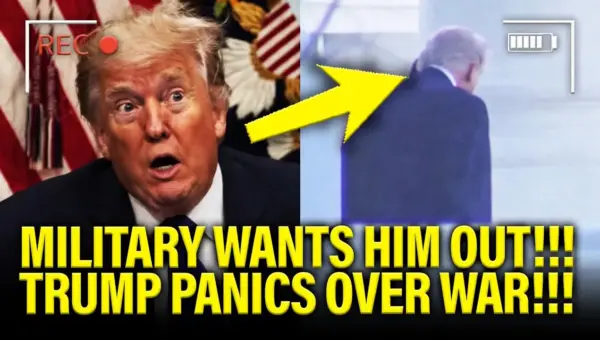
Military Leaders Try to Block Trump’s War Escalation
Military leaders are reportedly trying to sideline Donald Trump from war discussions due to his erratic behavior. Meanwhile, Trump issues escalating threats against Iran, while Iran rejects his claims and refuses to negotiate under current conditions. Upcoming talks in Pakistan face an uncertain future.
US Warns Iran on Strait of Hormuz Actions
The U.S. military has issued a strong warning to Iran regarding actions in the Strait of Hormuz. Following IRGC attacks on merchant ships, Washington signaled potential precision strikes on Iranian infrastructure if diplomatic efforts fail. Advanced drones are providing real-time intelligence, underscoring readiness for escalation.
Generals Blocked Trump from Briefings Amidst War Fears
Top Pentagon officials reportedly excluded former President Donald Trump from critical briefings due to fears his erratic behavior could jeopardize a mission. This decision stemmed from Trump's volatile state after Iran shot down a U.S. airman, leading to threats and obsession with political fallout. The situation highlights concerns about leadership judgment and trust within the administration.