Qatar Warns of Global Economic Collapse Amid Iran Conflict
Qatar's Energy Minister has warned that escalating conflict with Iran could trigger a global economic collapse. The US faces "mini-stagflation" as oil prices near $90 a barrel, impacting inflation and job growth. International powers are increasing military presence as supply chains face severe disruption.


Global Economy on Brink as Middle East Conflict Escalates
DUBAI – A stark warning from Qatar’s Energy Minister that an escalation of the conflict involving Iran could trigger a global economic collapse has sent ripples of concern through international markets. The volatile situation in the Middle East, coupled with ongoing geopolitical tensions, is creating a precarious economic landscape, with significant implications for energy prices, inflation, and job markets worldwide.
Energy Shocks and Global Dependencies
The United States, largely energy self-sufficient with a daily oil production of 13.7 million barrels and as the world’s largest natural gas producer, is less sensitive to immediate supply disruptions. However, major economic powers like Europe, China, and Japan, which rely heavily on oil and liquefied natural gas imports – Japan imports 90% of its oil – are exceptionally vulnerable.
Qatar’s warning highlights the potential for a “force majeure” event, where production could be halted, leading to severe supply shortages for the rest of the world. The Strait of Hormuz, a critical chokepoint for global oil transit, becomes a particular flashpoint, with the potential for shipping to be disrupted, leading to trapped oil and a depletion of storage capacity.
US Economy Faces Mini-Stagflation
In the United States, the specter of rising oil prices, approaching $90 a barrel, is poised to push gasoline prices upward. This comes at a critical juncture for the Federal Reserve, which is already grappling with inflation rates it deems uncomfortable. The recent release of job loss figures, showing a deficit of 92,000 jobs – a significant miss from the anticipated 50,000 additions – paints a concerning picture.
When accounting for a nurses’ strike that impacted 31,000 of those losses, the underlying labor market still appears weak, with average job losses over the past six months hovering around 1,000. The labor market participation rate has also declined, erasing four years of gains. This scenario, characterized by stagnant job growth and elevated inflation, mirrors a state of “mini-stagflation” at home, a situation that could be exacerbated by global economic turmoil.
“As long as oil prices remain elevated, that will feed through to inflation readings over the next several months. So to improperly paraphrase Charles Dickens, this is the worst of times and this is the worst of times.”
– Financial Journalist Ron Insana
White House Navigates Economic Uncertainty
The White House is reportedly strategizing to address the growing economic concerns, particularly regarding gas prices. The administration’s policies and actions are seen as having a rapid and significant impact on the global economy. More than a year after implementing sweeping tariffs, the U.S. economy continues to face uncertainty, with key trading partners unclear about tariff rates and negotiation terms.
Questions surrounding the U.S.’s ability to influence oil supply from Venezuela, the dynamics of oil exports from Middle Eastern Gulf countries, and the implications of potential actions against Cuba add layers of complexity. These domestic policy decisions, coupled with external geopolitical factors, create an environment where the economy operates in real-time, susceptible to rapid shifts.
Americans Evacuate a Region Under Threat
Amidst the escalating conflict, the U.S. State Department has confirmed that 24,000 American citizens have safely returned from the Middle East since the war began. Flights are landing, but the reality on the ground remains tense. Reports indicate ongoing missile and drone activity in the region, including over the UAE.
Despite these threats, many countries have reopened their airspace, and major airlines like Emirates are resuming a significant portion of their operations. For those seeking to leave, the process has not been without its challenges.
Some Americans report that State Department alerts and guidance have been slow, arriving after events have occurred. Personal accounts detail harrowing experiences, such as attempting to book transportation amidst active threats and the unsettling reality of flying on planes with significantly reduced passenger numbers.
Escalating Fronts and International Involvement
The conflict shows signs of widening, with Israel continuing strikes against Iran and engaging a new front in Lebanon against Hezbollah. Evacuation orders have been issued for citizens in southern Lebanon and Beirut. Information from within Iran remains scarce due to a communications blackout, leaving many questions about the internal situation and potential leadership changes.
International involvement is increasing, with France deploying a nuclear aircraft carrier and jets, and the UK providing jets and access to a military base in Cyprus. Australia has also been drawn into the situation, with reports of Australian nationals on a U.S. Submarine that reportedly torpedoed an Iranian warship, raising concerns about Australia becoming a target.
Supply Chain Vulnerabilities Exposed
The disruption of shipping through the Strait of Hormuz extends beyond oil and gas. Critical goods such as fertilizers, foodstuffs, petrochemicals, and plastics also transit this vital waterway. Companies like Maersk, a global shipping giant, have temporarily suspended operations, highlighting the vulnerability of global supply chains.
Disruptions to these essential goods could impact food security both globally and domestically, particularly concerning reliance on imported fertilizers. The surge in oil prices, from under $56 a barrel in early January to over $90, highlights the financial strain on economies already facing labor market challenges and central banks hesitant to adjust interest rates.
Looking Ahead
As the geopolitical situation remains fluid, the global economy stands at a critical juncture. All eyes will be on diplomatic efforts to de-escalate the conflict, the resilience of global supply chains, and the policy responses from central banks and governments worldwide. The coming weeks will be crucial in determining whether the current tensions lead to sustained economic instability or if a path toward resolution can be forged.
Source: Qatar official: Iran war could bring down economies of the world (YouTube)

Related Articles
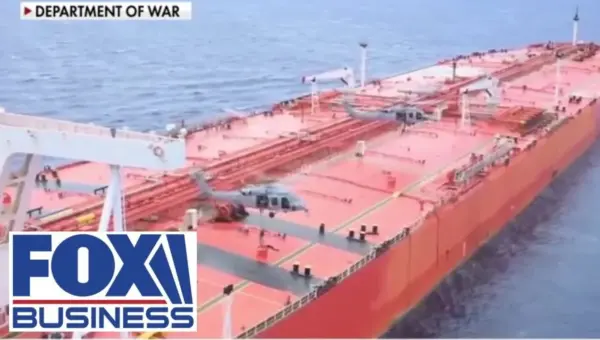
US Navy Seizes Sanctioned Oil Ship in Indian Ocean
The U.S. Navy seized a sanctioned oil tanker carrying 1.9 million barrels of crude in the Indian Ocean, adding tension to global oil markets. This occurs as a U.S.-Iran cease-fire is set to expire, keeping traders on edge.


Global Oil Shortage Hits Asia First, Fueling Price Shocks
Global oil supplies are dwindling, with mid-to-late April targeted as a critical point. Asia has been hit hardest, experiencing drastic delivery cuts and soaring fuel prices. Nations worldwide are implementing emergency measures to conserve fuel and manage shortages.
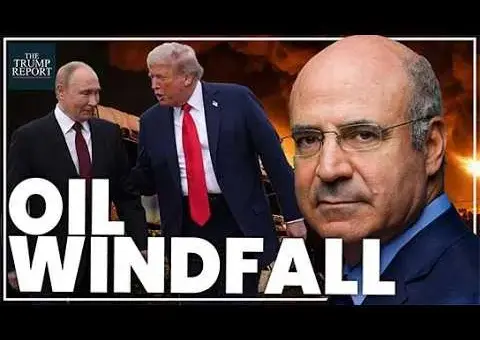
Iran War Fuels Russia’s Economy, Hurts US Goals
The Iran conflict has unexpectedly boosted Russia's economy by increasing oil revenues and creating a complex geopolitical situation. While the U.S. aims to stabilize oil prices, its actions inadvertently benefit Russia, raising questions about international policy effectiveness.