Trump Meets Sports Leaders on College Athletics Future
President Donald Trump convened a high-level roundtable with top sports executives, including Nick Saban and NCAA President Charlie Baker, to discuss the future of college athletics. The meeting aimed to address pressing issues such as NIL, athlete welfare, and governance reforms.

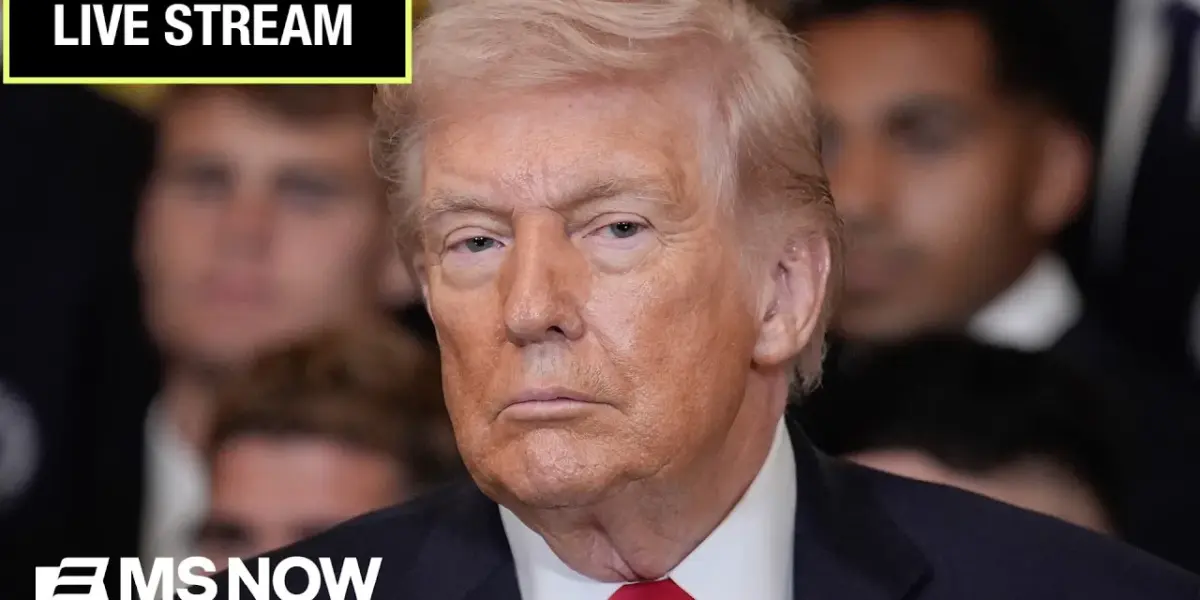
Trump Convenes Sports Leaders to Discuss College Athletics Overhaul
Washington D.C. – President Donald Trump hosted a high-profile roundtable discussion at the White House today, bringing together key figures from the worlds of college and professional sports to address the future of collegiate athletics. The meeting, which included prominent coaches, league commissioners, and NCAA officials, aimed to explore potential reforms and improvements within the landscape of college sports, a sector undergoing significant transformation.
Key Players Gather to Tackle Complex Issues
The exclusive gathering featured a diverse array of influential individuals. Among the notable attendees were legendary former Alabama football coach Nick Saban, a titan in college football history; NCAA President Charlie Baker, who leads the primary governing body for collegiate sports; and NBA Commissioner Adam Silver, representing one of the most prominent professional sports leagues. The presence of these figures highlights the gravity of the discussions, which are expected to touch upon issues ranging from athlete compensation and Name, Image, and Likeness (NIL) policies to the structure of athletic departments and the overall student-athlete experience.
Addressing the Evolving Landscape of College Sports
The discussion comes at a critical juncture for college sports, which have been grappling with a multitude of challenges and changes in recent years. The advent of Name, Image, and Likeness (NIL) has fundamentally altered the financial dynamics for student-athletes, while the rise of the transfer portal has introduced new complexities in team building and roster management. Debates surrounding athlete well-being, mental health, and the potential for professionalization within certain collegiate sports have intensified.
President Trump, a figure with a background in sports promotion and ownership, has previously expressed interest in collegiate athletics. His administration has signaled a desire to engage with stakeholders on issues impacting college sports, particularly concerning the balance between education and athletic competition, and the financial implications for universities and athletes alike. The roundtable provided a platform for these leaders to share insights, voice concerns, and brainstorm potential solutions that could shape the future trajectory of college sports.
“The meeting focused on improving college athletics,” stated a description of the event, highlighting the core objective of the high-level summit.
Potential Areas of Focus
While specific details of the closed-door discussions were not immediately released, the caliber of attendees suggests that a wide range of topics were on the table. Experts anticipate that discussions likely revolved around:
- NIL Policies: Examining the current state of NIL regulations, their impact on recruiting and competitive balance, and potential adjustments to ensure fairness and sustainability.
- Athlete Welfare: Addressing concerns related to student-athlete mental health, physical well-being, and academic support systems.
- Governance and Structure: Exploring potential reforms to the NCAA’s governance model, conference realignments, and the long-term viability of various collegiate sports.
- Financial Models: Discussing the economic realities of college athletics, including revenue distribution, cost containment, and the financial pressures on athletic departments.
- The Future of Competition: Considering trends such as the transfer portal, potential for player unions, and the increasing overlap between collegiate and professional sports.
Broader Implications for Education and Sports
The outcomes of such discussions could have far-reaching implications, not only for the athletes and institutions directly involved but also for the broader landscape of American higher education and professional sports. Any significant policy changes or shifts in approach could redefine the student-athlete model, influence university athletic budgets, and potentially set precedents for other sports organizations. The intersection of sports, business, and education is a complex one, and the insights shared by leaders from both college and professional ranks are invaluable in navigating these challenges.
The presence of figures like Nick Saban, whose coaching career spanned decades and yielded numerous championships, brings a deep understanding of the on-field realities and the demands placed upon student-athletes and coaches. Similarly, NCAA President Charlie Baker is tasked with steering the organization through unprecedented change, making his input crucial. NBA Commissioner Adam Silver, representing a league that has also navigated significant evolution, offers a perspective on professionalizing sports and managing star talent.
Looking Ahead: What’s Next for College Sports?
The roundtable discussion is a starting point for what many anticipate will be ongoing dialogue and potential policy initiatives. The coming months will be critical in observing whether the insights shared at the White House translate into concrete actions or recommendations.
Stakeholders will be closely watching for any proposed legislative changes, NCAA rule adjustments, or shifts in institutional approaches to managing collegiate athletics. The future of college sports remains a dynamic and evolving narrative, with today’s meeting marking a significant moment in the ongoing conversation about its direction.
Source: LIVE: Trump hosts roundtable on future of college sports (YouTube)

Related Articles

Harris: Trump Started Iran War Americans Don’t Want
Vice President Kamala Harris criticized former President Donald Trump's approach to Iran, stating he "entered a war that the American people do not want." Speaking in Michigan, Harris alleged that Trump was influenced by Israeli Prime Minister Benjamin Netanyahu. She warned that this policy strained alliances and increased costs for Americans.

Iran’s Digital Barrage: How Social Media Targets Trump
Iranian social media accounts are using AI and rapid content creation to mock Donald Trump and his allies. They employ satire and direct accusations, turning Trump's own tactics against him. This digital campaign highlights the growing role of social media in international influence operations.

Trump’s Grip Weakens Amidst Economic Woes and Global Tensions
Reportedly, Donald Trump's support is waning due to the war in Iran and the rising cost of living. Congressional candidate Saikat Chakrabarti discussed these issues and the role of progressive Democrats in the upcoming midterms. Voters are increasingly concerned about their financial stability and global security.